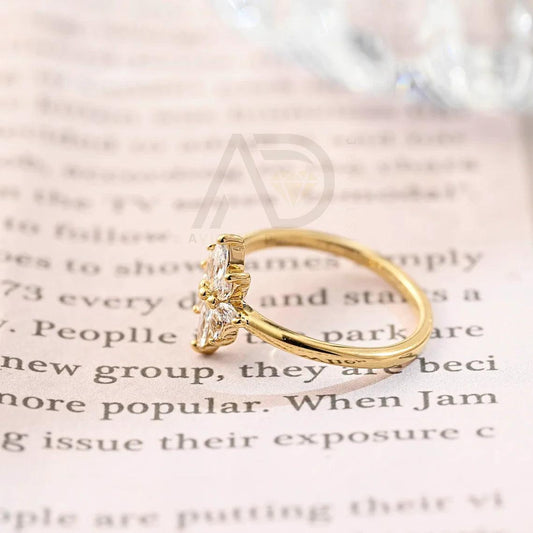

Discovering the Radiance of the Princess Cut Diamond
The princess cut stands as a premier selection for those drawn to modern elegance and geometric precision. Technically classified as a square modified brilliant, this shape is celebrated for its distinctive profile, which fuses the intense sparkle of a traditional brilliant facet pattern with a crisp, contemporary silhouette. For couples seeking a sophisticated alternative to the classic round stone, the princess cut offers a striking balance of fire and brilliance that remains a perennial favorite for engagement rings.
At Avittam Diamond Jewels, we recognize that the allure of this cut lies in its dramatic, sharp geometry. While other shapes might offer soft edges, the princess cut commands attention with its four pointed corners and clean, linear lines. This architectural form is particularly well-suited for minimalist and modern engagement ring settings. Unlike competitors that may rely on generic, mass-produced inventory, our bespoke approach at avittamdiamondjewels.com ensures that each center stone is curated to emphasize its inherent symmetry and structural grace.
Beyond its visual appeal, the princess cut is a testament to refined diamond craftsmanship. As noted by the GIA, this design originated in the early 1980s and has since evolved into the second most popular shape for bridal jewelry. Its unique ability to maximize light interaction while maintaining a modern, square footprint allows it to appear remarkably large for its carat weight compared to other fancy cuts. For discerning shoppers, this shape represents a deliberate choice to prioritize bold, radiant light performance in a form that remains timeless.
Selecting the right engagement ring involves a careful balance of aesthetic preference and long-term durability. Because the corners of these diamonds are their most vulnerable points, GIA experts consistently recommend protective mounting styles such as V-prongs or full bezel settings. At Avittam Diamond Jewels, we integrate these protective elements into our designs without compromising the geometric integrity of the stone, providing peace of mind alongside breathtaking beauty for your crowning moment.
Expert Guide to Princess Cut Diamond Selection
- The princess cut is a square modified brilliant shape, celebrated for its modern, architectural precision.
- Distinctive chevron patterns and an inverted pyramid structure allow this cut to maximize light dispersion and fire.
- Sharp, pointed corners are the most vulnerable part of the stone and require protective settings like V-tip prongs.
- Because they preserve more of the natural octahedral rough, princess cuts are often more cost-efficient than round diamonds.
- The GIA does not provide an official cut grade for princess diamonds, placing importance on visual symmetry and facet alignment.
- Optimal brilliance is achieved with a depth of 71-75% and a table percentage between 68-72%.
- A length-to-width ratio of 1.00 to 1.05 ensures the most desirable and classic square silhouette.
- For white metal settings, a color grade of G or higher is recommended to maintain a crisp, icy appearance.
- A clarity grade of VS2 or SI1 is the professional choice for achieving an eye-clean look while maximizing value.
- Princess cut diamonds remain the world's second most popular engagement ring shape due to their versatile aesthetic.
1. Understand the Unique Geometry of the Princess Cut
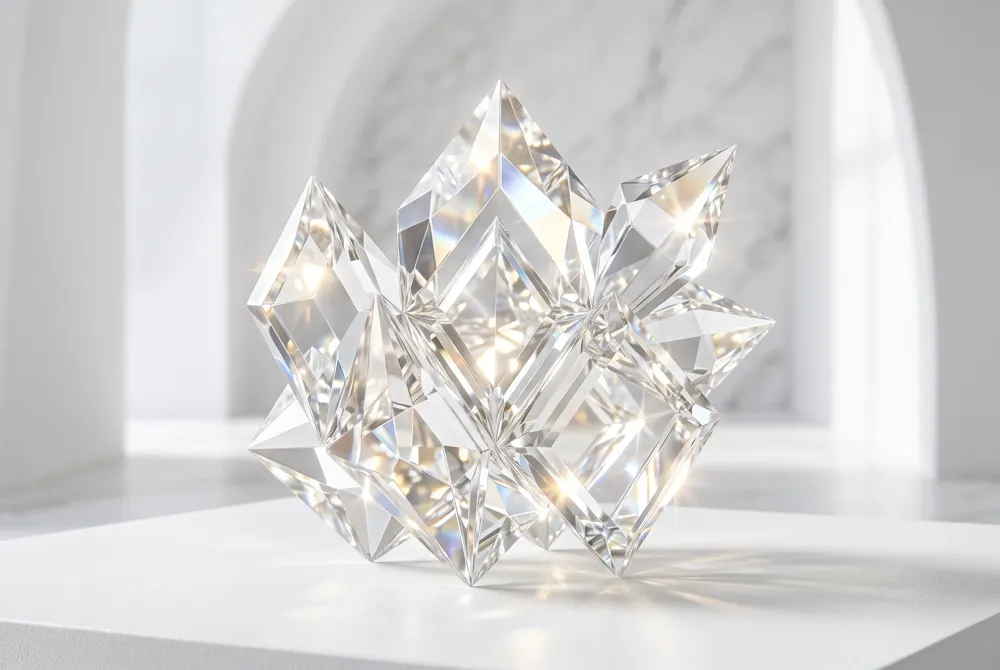
The princess cut stands as a celebrated choice for engagement rings that balances contemporary geometric precision with exceptional sparkle. Technically classified as a square modified brilliant, this stone offers a distinct aesthetic that differs significantly from traditional round options. Often preferred for its modern appeal, the silhouette features a square or rectangular outline with sharp, pointed corners, providing a bold and architectural look for any bridal setting.
What is a princess cut diamond?
At its core, the princess cut diamond is designed to function like an inverted pyramid. This specific structure, characterized by its deep pavilion, allows the stone to interact with light in a way that maximizes brilliance and fire. When viewed from above, the facets create a compelling cross or X pattern, a hallmark of the cutting style that differentiates it from step-cut shapes like the Asscher or emerald. Developed as a refined alternative to the round brilliant, the cut debuted in its modern form around 1980, as noted by the GIA 4Cs.
For those seeking the highest level of craftsmanship, understanding these internal facets is essential. While a round stone is universally graded for its cut, the princess cut relies on the precision of its chevron patterns to achieve its signature bounce. At Avittam Diamond Jewels, we curate our selection to ensure these facets are aligned with extreme accuracy, preventing the dull appearance that can occur in mass-produced or poorly cut stones found at larger, non-specialized retailers.
The geometry also plays a role in the diamond's durability. Because the corners of the princess cut are sharp and pointed, they remain the most vulnerable part of the stone. Industry experts at GIA 4Cs recommend utilizing protective settings, such as V-tip prongs or bezels, to safeguard these corners from daily wear. By selecting a setting designed to mirror the geometric integrity of the stone, couples can enjoy the modern elegance of the princess cut while ensuring it remains a secure, lasting symbol of their commitment.
2. Evaluating the Advantages and Trade-offs of Your Choice
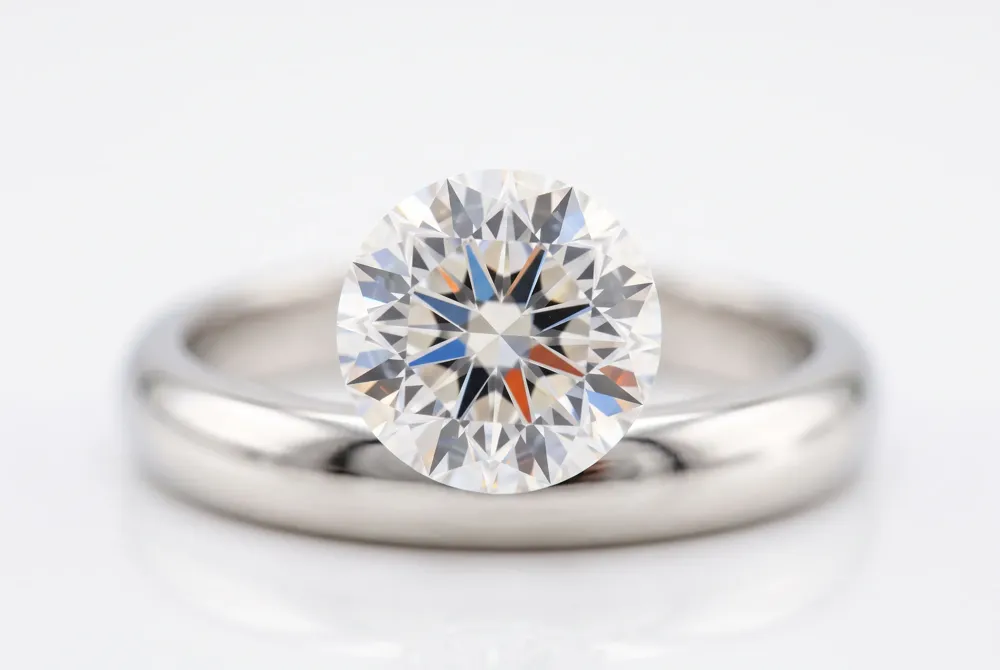
The princess cut is celebrated for its stunning, contemporary brilliance and architectural precision, offering a striking alternative to the traditional round stone. This square modified brilliant cut provides an impressive display of fire, often outperforming other square shapes in its ability to return light to the eye. At Avittam Diamond Jewels, we specialize in helping couples curate diamond engagement rings that emphasize this geometric elegance while ensuring each stone meets our high standards for light performance.
A significant advantage for many is its efficiency in design. Because the shape is cut from the natural octahedral geometry of rough diamonds, it is often more accessible in price without compromising on sparkle. Unlike round diamonds, which require significant material removal during the cutting process, the princess cut preserves a higher yield of the original rough crystal. This cost-efficiency allows you to allocate your budget toward higher clarity or color grades. While competitors may offer standard settings that leave stones exposed, Avittam Diamond Jewels ensures that your custom ring design incorporates appropriate protection to maintain the integrity of your center stone for years to come.
Practical considerations for your setting
The unique, sharp corners of a princess cut require careful attention to setting, as they are susceptible to chipping if left unprotected. GIA emphasizes that these vulnerable points benefit greatly from V-tip prongs or bezel settings, which shield the stone from impact. Prospective buyers should also note that these stones can occasionally appear smaller in face-up size compared to other shapes of the same carat weight due to their deep pavilions. When you work with us to find your perfect diamond shape, we guide you through these dimensional nuances so your final piece looks substantial and stays secure.
3. Confirming the Fashionable Status of Princess Cut Rings
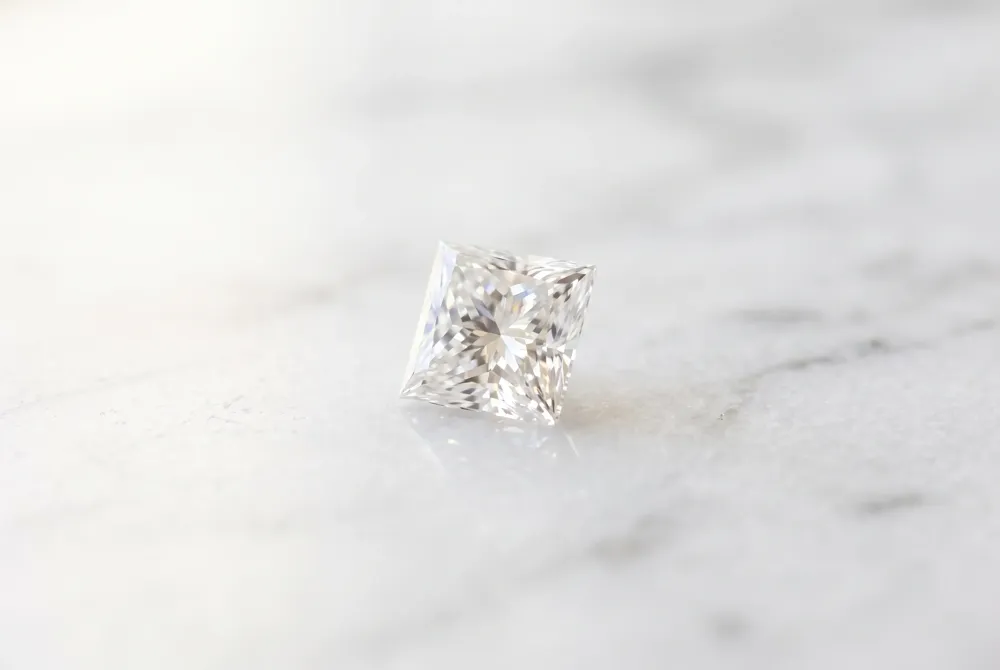
The princess cut remains a premier selection for modern couples who favor bold, geometric precision over traditional round silhouettes. As the second most popular diamond shape worldwide, this cut offers a distinctively architectural profile that transcends passing trends. While some classic shapes rely on softness, a princess cut offers a sharper, more defined radiance that sits at the center of contemporary bridal jewelry.
Are princess cut diamonds still considered fashionable for engagement rings? Far from being outdated, the princess cut remains a sophisticated and enduring choice for the modern bride who appreciates clean, geometric lines. Its popularity is rooted in a unique ability to blend classic elegance with a bold, architectural profile that stands out beautifully in any setting. Because of this versatile aesthetic, the princess cut continues to be a featured highlight in our most refined bridal collections, proving its status as a contemporary staple. By choosing this brilliant shape, couples embrace a design that marries historical prestige with sharp, masterful precision. At Avittam Diamond Jewels, we view this cut as an exquisite way to celebrate a commitment, ensuring the wearer enjoys a piece that is as fashionable today as it will be for generations to come.
Designers frequently favor this square shape for its adaptability. Whether mounted in a minimalist solitaire or a complex halo setting, the diamond complements both modern and vintage design languages. At Avittam Diamond Jewels, our bespoke design services often utilize this cut to ground intricate settings, providing a stable, elegant foundation that allows for diverse metal and accent choices. Unlike rounded stones that prioritize uniform brilliance, the princess cut offers a more structured light performance that appeals to those seeking an unconventional, yet timeless, look.
| Feature | Princess Cut Style | Design Benefit |
|---|---|---|
| Profile | Square/Rectangular | Architectural presence |
| Popularity | Second globally | Enduring relevance |
| Versatility | High | Fits modern and classic bands |
4. Mastering the Art of Selecting High-Quality Diamonds
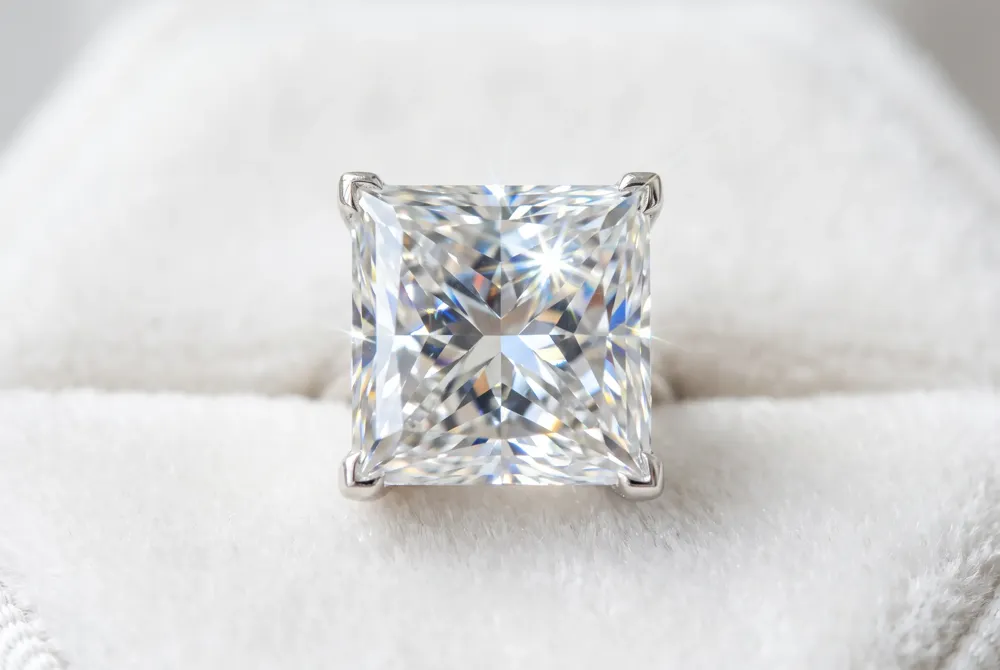
Selecting a high-quality princess cut requires moving beyond the surface-level details of a grading report to focus on the interplay of geometry and light. Unlike round brilliants, the princess cut lacks an official cut grade from the GIA, which places the responsibility on the shopper to identify stones that balance architectural beauty with brilliance. At avittamdiamondjewels.com, we curate our collections by prioritizing light performance over mere carat weight, ensuring that every stone we offer meets rigorous standards for symmetry and sparkle.
To ensure you are selecting a high-quality princess cut diamond, focus on its proportions rather than carat weight alone, as a superior cut prioritizes light performance and brilliance. Seek a diamond with a depth between 71-75% and a table percentage of 68-72%, which allows for a moderately high crown that maximizes both fire and sparkle. Because gemological reports often lack specific crown height measurements for this shape, it is essential to visually evaluate the stone to confirm it possesses an ideal facet pattern. Additionally, prioritize a length-to-width ratio close to 1.00 if you desire a perfectly square silhouette, as variations can significantly alter the stone's aesthetic. Finally, always select a setting that provides adequate protection for the diamond’s four delicate corners to maintain the long-term beauty and integrity of your piece.
Identifying and avoiding weight retention traps
Buyers must be vigilant against weight retention tricks, such as overly thick girdles or table percentages that stretch toward 80%. These techniques are designed to boost carat weight while paradoxically dulling the diamond's fire, a practice we strictly avoid at avittamdiamondjewels.com. While some mass-market retailers may emphasize these heavy stones to inflate prices, our focus remains on stones that sacrifice excess weight for enhanced visual depth and clean, precise faceting.
- Evaluate light performance by examining 360-degree videos to ensure consistent, vibrant sparkle across all four quadrants of the stone.
- Check for symmetry in the pavilion facets, as an irregular pattern can lead to dark patches that diminish the diamond's brilliance.
- Use ASET images if available to verify that the light return is balanced and the dark contrast areas are distributed correctly for an eye-catching display.
- Ensure the stone is eye-clean by prioritizing a VS2 or SI1 clarity grade, which provides exceptional value without visible inclusions.
5. Optimizing Your Purchase with Ideal Color and Clarity
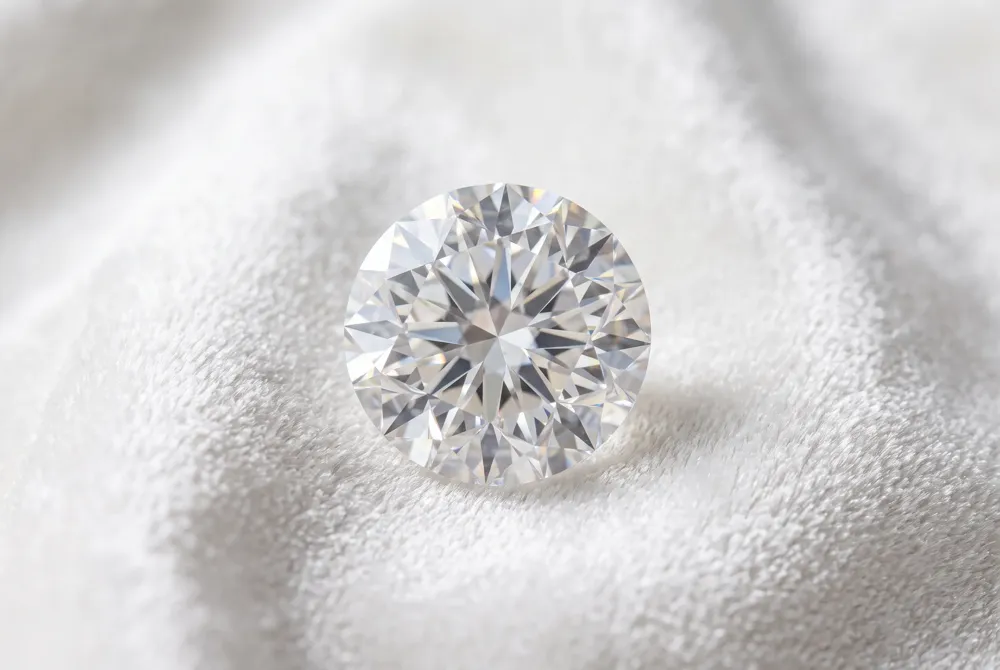
Selecting the optimal color and clarity for a princess cut involves balancing objective grading standards with the way the stone interacts with light. Because the brilliant-style faceting of this shape is highly efficient at masking minor internal characteristics, buyers can often prioritize value without compromising the diamond's beauty. At avittamdiamondjewels.com, we emphasize that the primary goal is achieving an eye-clean appearance, allowing you to allocate your budget effectively while maintaining a breathtaking aesthetic.
What is the best color and clarity grade for a princess cut diamond?
For those favoring the cool, contemporary look of white gold or platinum, a color grade of G or higher is generally recommended to ensure the stone appears crisp and colorless. While color may occasionally concentrate in the sharp corners of a princess cut, setting these stones in white metal helps neutralize any warmth. Conversely, if you prefer a yellow or rose gold setting, you can comfortably opt for a J or K grade, as the surrounding metal masks subtle color tones and provides a warmer, cohesive finish.
Clarity is equally important, yet it is often misunderstood by those new to diamond buying. Many experts suggest an SI1 or VS2 clarity grade as the ideal balance between cost and visual performance. These grades typically provide an eye-clean stone that looks identical to more expensive, internally flawless options to the naked eye. By selecting stones within this range, you can secure a significantly larger or higher-quality center stone than might be possible with premium clarity grades. In contrast to vendors that push for top-tier clarity regardless of the visual impact, we advocate for these refined selections to help you maximize both the radiance and the value of your piece.
| Attribute | Recommended Range | Why It Matters |
|---|---|---|
| Color (White Metal) | G to I | Maintains icy appearance |
| Color (Yellow Gold) | J to K | Masks warmth efficiently |
| Clarity | VS2 to SI1 | Optimal eye-clean value |
6. Comparing the Princess Cut to Other Square Alternatives
When selecting a square-shaped stone for an engagement ring, discerning couples often weigh the signature brilliance of a princess cut against the sophisticated, vintage appeal of an Asscher cut. While both silhouettes offer an elegant, angular aesthetic, the princess cut is engineered as a modified brilliant shape to maximize fire and light dispersion for a dazzling, modern effect. In contrast, the Asscher cut features large, step-cut facets that produce a captivating hall-of-mirrors clarity, favoring understated, linear flashes of light over the intense sparkle characteristic of a princess cut.
Engineering differences define how these stones capture and return light. The princess cut, often referred to as a square modified brilliant, utilizes a complex array of vertical, triangular facets on the pavilion that create an inverted pyramid shape. This design is highly effective at masking inclusions, making the stone appear bright and lively. Conversely, the Asscher cut relies on concentric, rectangular facets that require a higher clarity grade to maintain their beauty, as the open architecture does not disguise imperfections as easily.
The pavilion depth of your chosen diamond significantly influences its light reflection and overall appearance. Because a princess cut frequently directs a larger portion of its carat weight into the pavilion, this extra depth can sometimes result in a smaller face-up size compared to shallower cuts. At avittamdiamondjewels.com, we guide our clients through these nuanced geometric variations to ensure the stone balances weight with optimal brilliance. Selecting between the energetic, bouncy sparkle of a princess cut or the refined, architectural grace of an Asscher cut ultimately becomes a personal choice between two distinct ways to showcase a diamond's character.
7. Navigating Sizing and Dimensions for Your Perfect Ring
The princess cut offers a unique visual experience that requires a nuanced understanding of its dimensions. Unlike round brilliant diamonds, which emphasize a uniform circular footprint, the princess cut features a square profile with significant diagonal measurements. These diagonals often create an optical illusion where the stone appears larger than a round diamond of identical carat weight, providing a sophisticated and modern presence on the finger.
What is a standard size chart for princess cut diamonds?
When selecting a princess cut diamond, understanding that its size is defined by both millimeter dimensions and carat weight is essential for finding your perfect match. While there is no singular industry-wide chart, a 0.50-carat princess cut typically measures approximately 4.5mm, whereas a 1.00-carat stone generally falls around 5.5mm. As you move to a 1.50-carat diamond, you can expect dimensions near 6.3mm, and a 2.00-carat stone often measures approximately 7.0mm. It is important to note that these figures are approximate, as individual stones may vary based on their depth, table percentage, and specific cutting style. We invite you to consult our bespoke specialists at avittamdiamondjewels.com to ensure the proportions of your chosen diamond align perfectly with your vision for a timeless piece.
Symmetry remains vital when navigating these dimensions. To maintain the classic square silhouette that defines this shape, look for a length-to-width ratio between 1.00 and 1.05. Ratios exceeding this threshold will result in a rectangular appearance, which shifts the architectural aesthetic away from the traditional square. While some retailers might prioritize high weight retention through overly thick girdles or deep pavilions, our approach at avittamdiamondjewels.com focuses on optimizing these proportions to ensure maximum brilliance and visual elegance for every engagement ring we design.
Final Thoughts on Choosing Your Ideal Princess Cut
Selecting a princess cut requires a focus on precision, particularly when prioritizing cut quality to ensure vibrant light return. Because gemological labs often omit formal cut grades for this shape, assessing proportions like depth and table percentage remains essential. Protecting the stone is equally vital, as the princess cut features sharp, vulnerable corners that demand secure V-prong or bezel settings to maintain long-term structural integrity.
At avittamdiamondjewels.com, we believe the perfect ring reflects your unique journey. While big-box retailers rely on generic inventory, our bespoke approach ensures each piece is curated for individual preference and lasting beauty. By choosing a partner who values modern craftsmanship over mass production, you secure a timeless symbol of commitment designed to shine for a lifetime.