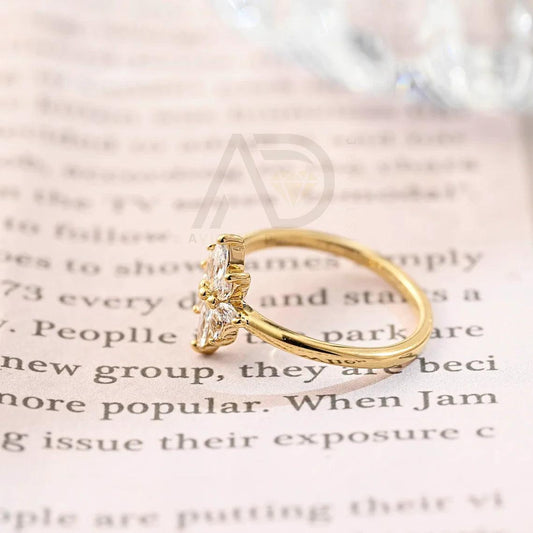

Defining the Rings That Define a Love Story
For couples beginning their journey toward marriage, few decisions carry more weight than choosing the rings that will mark two distinct milestones: the proposal and the ceremony. Understanding the difference between these two pieces is essential for creating a bridal set that feels both meaningful and cohesive. The Taylor Swift engagement ring, a custom old mine brilliant cut diamond set in warm yellow gold, offers a high-profile example of how a single ring can embody an entire aesthetic, yet it also raises a natural question: how does it differ from the wedding band that will accompany it?
The distinction between an engagement ring and a wedding band is rooted in both tradition and design. An engagement ring, given at the proposal, is typically the more ornate piece, featuring a prominent center stone and intricate detailing. It symbolizes a promise of marriage and the beginning of a shared story. A wedding ring, or wedding band, is exchanged during the ceremony and is usually simpler in design, crafted for durability and daily wear. It represents the official union and lifelong commitment. While some choose to wear both rings stacked together on the left hand, each serves a separate purpose. This approach respects the unique significance of each piece while creating a unified look..
This article explores the nuances of these two essential pieces through the lens of design, symbolism, wearing traditions, and cost. By examining real-world examples, including the rings of Taylor Swift and Travis Kelce, we will outline how couples can approach their own choices with clarity and confidence. Whether you are drawn to a vintage-inspired statement piece or a clean, modern band, understanding this foundational distinction will help you select rings that honor both your personal style and the depth of your commitment.
A Promise and a Bond
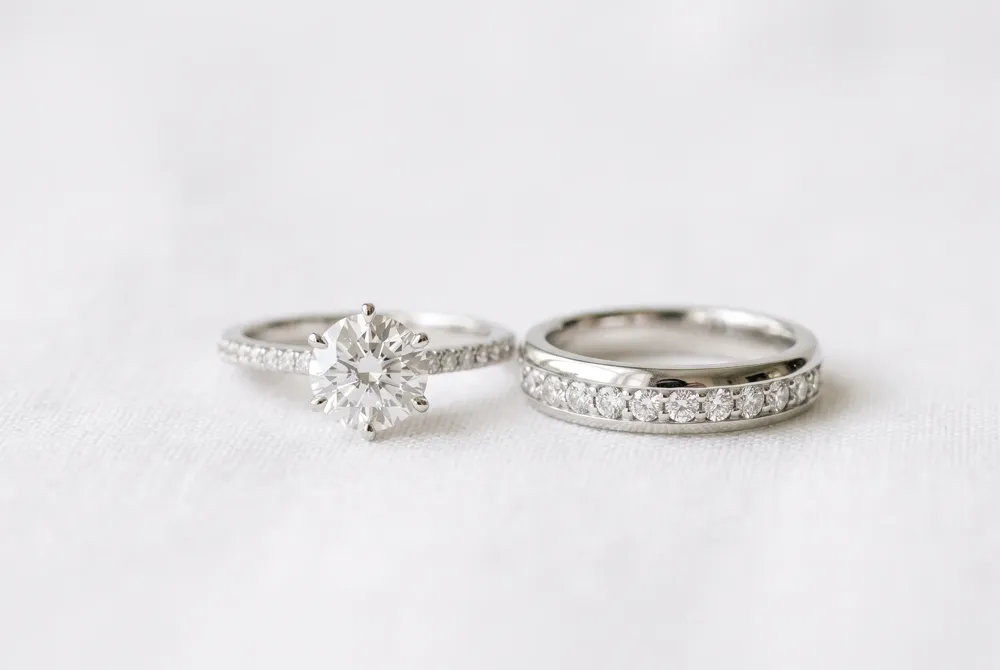
An engagement ring is presented at the proposal as a promise of marriage, while a wedding ring is exchanged during the ceremony to seal the union. This contrast reflects two different chapters in a couple's journey.
The engagement ring is typically the more elaborate piece, featuring a prominent center stone such as a diamond. It is designed to capture the emotion of the moment and tell a story. The wedding band, in contrast, is usually a simpler band crafted for daily wear and lifelong comfort.
Traditionally, both rings are worn on the fourth finger of the left hand, with the wedding band placed closest to the heart. Many couples choose to stack them together as a set, creating a harmonious look that honors both the promise and the bond.
At Avittam Diamond Jewels, we celebrate this tradition by offering exquisite bridal sets that respect each ring's unique significance. Our collections allow you to select an engagement ring and a complementary wedding band that together tell your complete story.
Old Mine Brilliance Meets Contour Elegance
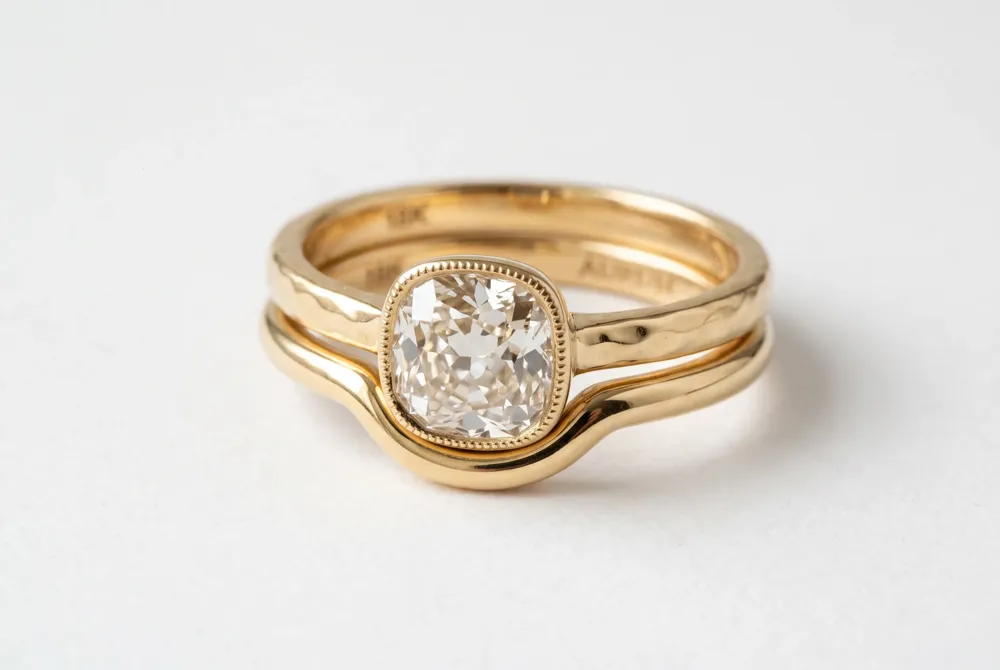
Taylor Swift's engagement ring immediately captured the public's imagination. Designed by Kindred Lubeck of Artifex Fine Jewelry, the centerpiece is an estimated 8-to-10-carat old mine brilliant cut diamond set in an 18K yellow gold bezel. The hand-cut antique stone produces a softer, warmer sparkle than modern machine-cut diamonds, and the hand-engraved yellow gold band adds a layer of artisanal detail. Industry experts have valued the piece between $750,000 and $1,000,000, reflecting both the quality of the diamond and the craftsmanship involved.
Her wedding band offers a deliberate contrast. It is a partial eternity contour ring in 18K yellow gold, set with individually placed diamonds totaling approximately 0.5 to 1.5 carats. The contour shape is designed to wrap around the low-set bezel of the engagement ring, creating a flush stack that highlights the vintage center stone rather than competing with it.
The pairing itself is a masterclass in coordinated design. Both rings share the same warm yellow gold finish and brushed texture, yet each retains its own role: the engagement ring as the statement piece and the wedding band as the daily-wear complement. Together they form a seamless bridal stack that balances antique character with modern wearability.
The Master Behind the Masterpiece
Behind every iconic piece of jewelry lies a creator whose vision transforms raw materials into art. Taylor Swift's engagement ring was designed by Kindred Lubeck, founder of Artifex Fine Jewelry in New York City. A goldsmith and hand engraver with a deep appreciation for antique techniques, Lubeck is known for her belief that each gemstone should dictate its own design, resulting in pieces that feel both historically grounded and deeply personal.
Travis Kelce collaborated closely with Lubeck on the ring, reportedly after Swift had shown him a video of the jeweller's work about a year and a half before the proposal. He paid close attention and commissioned the custom piece from that very jeweller, ensuring the ring reflected both Swift's romantic aesthetic and the vintage-inspired craftsmanship she admires. The result is a ring that feels as intentional and storied as the relationship it represents.
Lubeck's approach balances architectural precision with organic beauty. The old mine brilliant cut diamond, estimated between 8 and 10 carats, is set in an 18-karat yellow gold bezel with hand-engraved detailing, creating a silhouette that is both bold and intimate. The antique charm of the stone, with its softer, more substantial sparkle, stands in contrast to modern bright sharpness, aligning perfectly with the singer's timeless style. For couples seeking that same sense of authenticity, exploring a bespoke ordering service can offer a comparable level of personalization.
Can One Ring Do It All?
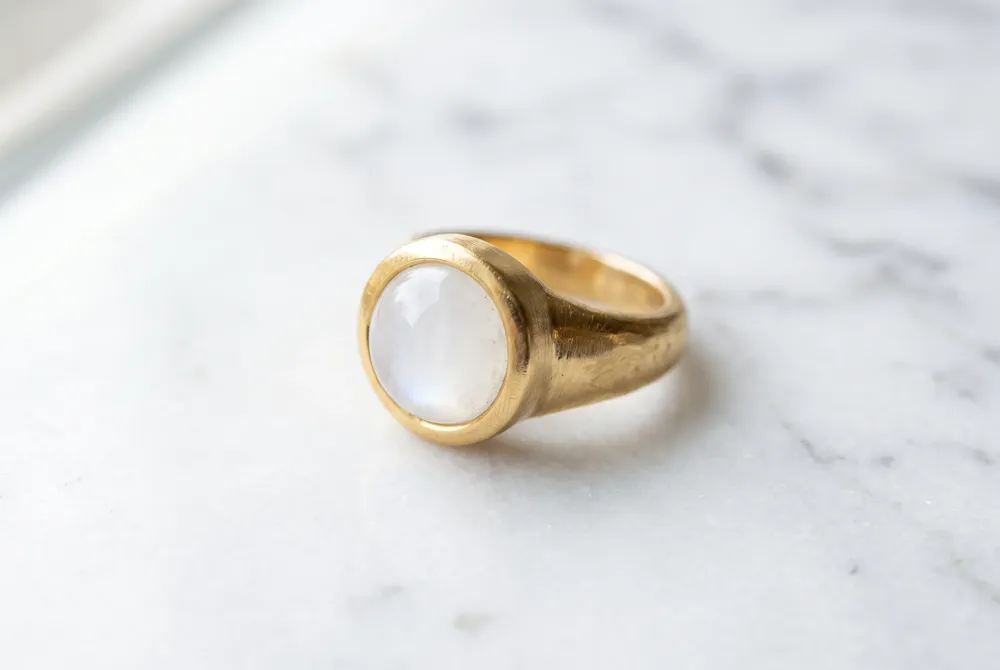
For many couples, the question of whether a single ring can represent both the proposal and the ceremony carries real weight. While tradition calls for an engagement ring with a prominent stone and a separate wedding band, there is no rule that dictates they must be different. In fact, the choice is deeply personal, and some find that one perfectly chosen piece feels like the truest symbol of their commitment.
Taylor Swift's own engagement ring has a thicker, bolder band that naturally blurs the line. At an estimated 8 to 10 carats with an antique old mine cut and a wide yellow gold bezel, her ring could certainly hold its own as a standalone piece. Many jewelers note that the bezel setting and substantial band design give it a presence that could easily serve as both an engagement ring and a wedding ring.
A Modern Preference for Simplicity
Today, a growing number of couples are choosing to wear just one ring, either out of aesthetic preference or as a practical decision. The single-ring approach is both historically grounded and increasingly embraced. It often appeals to those who value minimalism or a clean, uninterrupted line on the finger.
The key is selecting an engagement ring that feels complete on its own. A setting with a secure bezel, a thoughtfully proportioned shank, and a profile that does not demand a companion band can work beautifully as a lifelong symbol. For these couples, the ring itself becomes the single emblem of both promise and union.
What to Consider if You Choose One Ring
If you decide that a single piece will mark both milestones, consider the following: the ring should be durable enough for daily wear, comfortable enough to wear without a stacking partner, and designed with a silhouette that does not require a contour band. An engagement ring with a thick metal shank, like Swift's, or a cathedral setting that rises gracefully off the finger, can stand alone with elegance.
At Avittam Diamond Jewels, we offer a range of settings that work beautifully as standalone pieces, from classic solitaires to bold bezel designs. Our team guides each customer through the selection, ensuring the ring they choose reflects their story, whether it will be worn alone or as part of a curated set.
Stacking Ceremony and Style
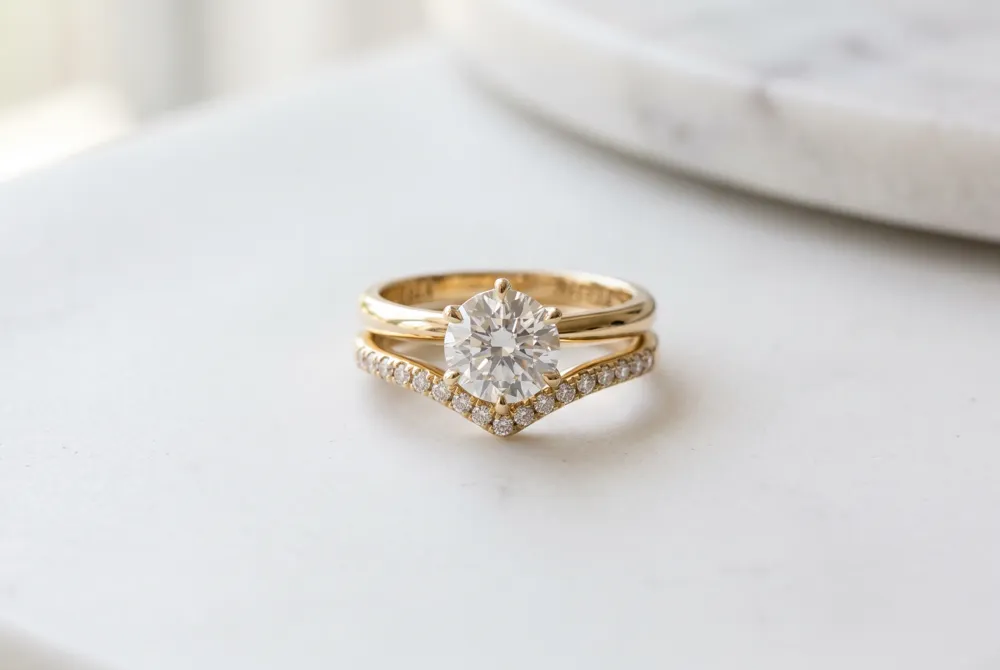
Wearing both rings together is a cherished tradition that tells the story of a couple's journey from promise to forever. After the ceremony, many brides stack their engagement ring and wedding band on the same finger, symbolizing the union of two distinct chapters into one continuous bond.
The traditional stacking order places the wedding band closest to the heart, with the engagement ring sitting above it. On the wedding day, it is customary to move the engagement ring to the right hand so the wedding band can be placed on the left ring finger first. Once the ceremony concludes, many brides reposition the engagement ring to rest on top, creating a unified stack.
Modern couples are free to interpret this custom in their own way. Some prefer the engagement ring on the bottom for comfort or aesthetics, while others wear only one ring at a time depending on the occasion. The arrangement that feels most natural and personal to you is the right one. At Avittam Diamond Jewels, we design rings that stack beautifully together, regardless of order, with contour bands and complementary shapes that nestle seamlessly alongside vintage-inspired center stones like those found in a Taylor Swift Engagement ring.
When exploring the choice between an engagement ring vs wedding ring, the way you wear them together brings the decision full circle. Whether you follow classic etiquette or forge your own signature look, the most important rule is that your rings feel comfortable and reflect your personal style.
Cartier Everywhere
The most iconic engagement rings in history read like a catalog of royalty, Hollywood, and cultural power. Princess Diana's sapphire and diamond ring, now worn by the Duchess of Cambridge, remains a symbol of romantic tradition and public affection. Grace Kelly's Cartier diamond eternity band, a masterpiece of refinement, set a benchmark for understated elegance that still informs bridal design today. Jacqueline Kennedy Onassis's two-stone diamond and emerald ring from Aristotle Onassis broke convention with its bold asymmetry, proving that personal style outweighs precedent.
In the modern era, celebrity engagement rings have grown more extravagant, often featuring oversized, statement-making center stones. Beyoncé's flawless 18-carat cushion-cut diamond from Jay-Z and Blake Lively's elongated cushion-cut diamond from Ryan Reynolds are benchmarks of personalized, high-craftsmanship design. These rings share a defining trait: a large, distinctive diamond set in a metal that emphasizes the stone's character rather than competing with it. This trend toward bolder, bigger stones aligns directly with the celebrity shift toward vintage-inspired cuts and larger carat weights that the BBC has documented in recent years.
Taylor Swift's engagement ring fits seamlessly into this landscape. Her elongated old mine brilliant cut diamond, estimated at 8 to 10 carats, matches the oversized-diamond movement that now defines high-profile proposals. Yet her choice of a warm yellow gold bezel and hand-engraved band leans into the antique aesthetic that separates her ring from more conventional solitaires. For couples drawn to this blend of historic character and modern scale, Avittam Diamond Jewels offers a curated selection of elongated cushion cuts and old mine inspired settings that capture the same vintage spirit without the Hollywood price tag.
A World of Value and a World of Difference
When planning for two rings that will be worn every day, understanding their typical cost brackets helps couples allocate their budget with confidence. An engagement ring almost always commands a higher price than a wedding band, because the center stone—often a prominent, high-carat diamond—represents the bulk of the expense. A finely crafted engagement ring can range from several thousand dollars to well over ten thousand, depending on the cut, clarity, and carat weight. In contrast, a quality wedding band may start at a few hundred dollars and rarely exceeds a few thousand, unless it features a full circle of diamonds or a precious metal like platinum.
Taylor Swift’s own rings illustrate this divide vividly. Her engagement ring, featuring an estimated 8–10 carat old mine brilliant cut diamond, was valued by industry experts at between $750,000 and $1,000,000, with some estimates reaching as high as $5 million. Her wedding band, by comparison, is a partial eternity contour band in 18K yellow gold with individually set diamonds; jewelers estimate it is worth between $2,000 and $15,000, depending on diamond quality, total carat weight, and craftsmanship. While celebrity figures sit far above most shoppers’ budgets, the ratio between the two pieces is instructive: the engagement ring is the symbolic centerpiece, while the wedding band is designed to complement, not compete.
For couples navigating their own purchase, a smart approach is to set a total bridal budget and then decide how much to allocate to each ring. A common guideline is to spend 60–70% of the combined budget on the engagement ring, reserving the remainder for the wedding band. That way, the engagement ring still makes a meaningful statement, and the wedding band—whether a plain metal band, a diamond eternity band, or a contoured band—coordinates beautifully. At Avittam Diamond Jewels, we offer curated bridal sets that take the guesswork out of matching, ensuring both rings sit flush together and feel comfortable for daily wear.
The price difference between the two rings is not accidental. An engagement ring is a statement piece meant to be worn alone during the proposal, often featuring a larger, more elaborate diamond. A wedding band is a daily companion, chosen for its ability to nest or stack beside the engagement ring without overshadowing it. By understanding these distinct roles, couples can make informed decisions that respect both the emotional weight of the proposal and the enduring simplicity of the marriage ceremony.
The Classiest Option: Solitaire’s Enduring Appeal
For couples seeking a ring that embodies timeless elegance, few designs rival the classic solitaire. By placing a single, expertly cut diamond at the center of a refined band, the solitaire lets the stone's natural brilliance and purity of form command attention. This quiet confidence transcends fashion cycles, making it a perennial favorite among discerning brides.
The solitaire's appeal lies in its restraint. Where elaborate halo or pavé settings can distract the eye, a solitaire focuses entirely on the diamond itself — its cut, clarity, and character. The silhouette is instantly recognizable yet deeply personal, offering a canvas for the highest-quality gemstones. A Taylor Swift engagement ring, with its vintage old mine cut and warm yellow gold, shares this ethos of unembellished sophistication; both designs prove that true luxury needs no excess.
When exploring an engagement ring vs wedding ring, the solitaire stands apart as the quintessential engagement style. Its dramatic center stone announces the promise of marriage with undeniable presence, while the wedding band takes a simpler, more uniform role. This pairing creates a natural dialogue: the solitaire commands the moment of the proposal, and the wedding band quietly seals the union during the ceremony.
A solitaire engagement ring pairs beautifully with a simple wedding band. A classic plain band in matching yellow or white gold allows the solitaire to remain the star, while a subtle diamond-set eternity band adds a complementary sparkle that frames the center stone without competing. At Avittam Diamond Jewels, we offer a carefully curated selection of solitaire rings in premium diamonds and precious metals, each designed to stand as a personal symbol of lifelong love.
Natural, Lab-Grown, or Vintage Diamonds
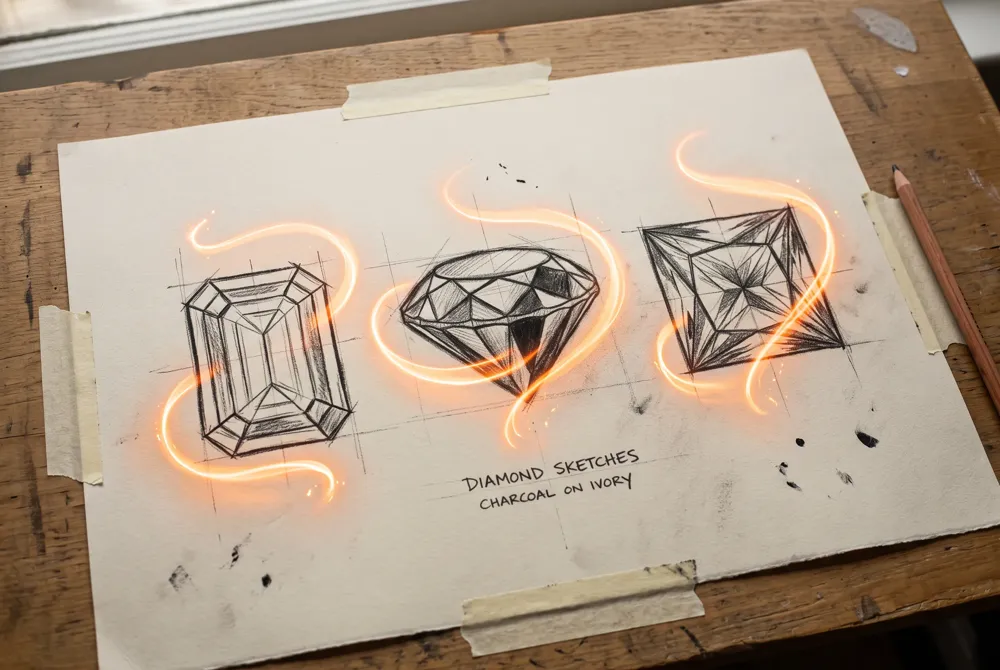
The choice between a natural, lab-grown, or vintage diamond is one of the most personal decisions a couple makes. Each path offers distinct beauty and values, and understanding their differences helps you choose a ring that aligns with your story.
Natural diamonds are formed over billions of years deep within the earth, prized for their rarity and timeless allure. Lab-grown diamonds, created in controlled environments, offer an identical chemical composition at a lower cost. Vintage or estate stones bring a unique, hand-cut character and a sense of history that modern cuts cannot replicate.
Ethical considerations are central to this conversation. Vintage diamonds, while avoiding the impact of new mining, carry complicated histories that may reflect the practices of their era. Lab-grown diamonds, though more affordable, require significant energy to produce and are not automatically more sustainable. A respected jewelry journalist advises buying from reliable sources that care for the environment and communities.
For couples seeking a ring that balances craftsmanship with conscience, ethically sourced diamonds are available in a range of cuts, including the vintage-inspired old mine cut. Whether you opt for a natural stone with a storied past or a lab-grown gem created with precision, the key is selecting a stone that reflects your commitment.
Your Story, Your Rings, Your Forever
From the moment Travis Kelce presented Taylor Swift with her custom vintage-inspired engagement ring, the world saw a perfect illustration of the distinction between engagement ring and wedding ring: a bold, symbolic promise on one hand, and the elegant contour band that later joined it on the other. Each piece tells a part of their love story.
Your own journey deserves rings that reflect you as a couple. At Avittam Diamond Jewels, we offer curated bridal sets and a bespoke ordering service that lets you customize every detail — from the cut and metal to the engraving — ensuring your rings are as unique as your commitment.
Whether you choose a single ring to mark both milestones, a matched set, or a coordinated pair like the Swifts, the right choice is the one that feels meaningful to you. Discover collections that honor your story, crafted with the same care and artistry that makes every engagement unforgettable.