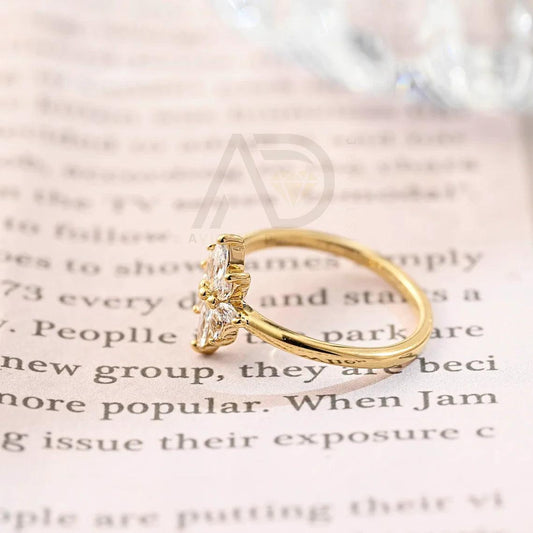

Why a Secure, Seamless Connection Matters for Luxury Jewelry Shopping
Choosing a diamond engagement ring or a personalized wedding band is an emotional and financial milestone. When a browser warning or a slow-loading page interrupts that moment, the experience shifts from anticipation to frustration almost instantly. For luxury jewelry shoppers, a seamless and secure connection is not a convenience—it is the foundation of trust.
Even a brief loading error or an SSL certificate warning can make even the most discerning buyer question the site's legitimacy. With high-value purchases on the line, shoppers need to feel confident that their personal information and payment details are protected. At Avittam Diamond Jewels, every part of the online experience is designed to offer that same assurance, from ethically sourced diamonds and GIA-certified stones to a refined, uninterrupted browsing journey across all devices.
This guide walks through what causes those connection warnings, how to resolve them, and what to look for when verifying that a jewelry site is both secure and trustworthy. Whether you are shopping for a bespoke engagement ring or a timeless gift, understanding these steps helps ensure a smooth, elegant experience from the first click to the final delivery.
What a “Connection Not Secure” Warning Really Means

When you see a warning like “Your connection is not private” while browsing a jewelry website, it means the site is not using a secure, encrypted connection. For a purchase as meaningful as an engagement ring or fine jewelry, this is a signal to pause. Without encryption, the personal and payment details you enter could be vulnerable.
At Avittam Diamond Jewels, we believe your trust is as precious as the gemstones we craft. Every page on our site is protected with the highest level of encryption, so you can browse with confidence. You will always see a padlock icon and a URL beginning with “https” — a simple assurance that your information is handled with the same care we give to every diamond.
If you encounter such a warning elsewhere, we recommend not entering any sensitive information. Instead, seek a jeweler who prioritizes your security and privacy, just as we do. Your peace of mind is part of the luxury experience you deserve.
Quick Fixes You Can Try as a Shopper

When a security warning appears while you browse, the solution is often simpler than it seems Begin by checking the website address for any small errors and refreshing the page—a momentary server issue can sometimes cause a false alert. If the warning persists, refreshing your browser's memory by clearing stored data can often resolve the conflict.
An often-overlooked cause is your device's date and time settings. Secure connections rely on accurate timestamps; if your clock is off by even a few hours, the browser may not recognize the connection as valid. Enable automatic date and time in your device settings to correct this.
To test whether browser extensions or stored information are interfering, open a private browsing window. If the site loads correctly in this mode, an extension or saved data is likely the cause. You can then disable extensions one by one to identify the issue. Similarly, security software or VPNs may sometimes interfere with the connection; temporarily disabling them can restore access.
Finally, consider switching networks. Public Wi‑Fi connections are often less secure and may trigger warnings. Moving to a private home network or using mobile data can bypass these issues. For those shopping for fine jewelry, these simple checks help you return to browsing trusted stores like Avittam Diamond Jewels, where every connection is protected from the moment you arrive.
Understanding SSL Certificate Errors from the Site Owner’s Perspective

For a luxury jewelry retailer, a single SSL certificate error can erode the trust that took years to build. Three common errors appear across browsers: an expired certificate produces NET::ERR_CERT_DATE_INVALID, a domain name mismatch triggers NET::ERR_CERT_COMMON_NAME_INVALID, and a certificate signed by an unrecognized authority causes NET::ERR_CERT_AUTHORITY_INVALID. Each blocks shoppers from browsing engagement rings or completing checkout.
Closing the Certificate Chain
A missing intermediate certificate is a frequent cause of the untrusted-root error. The server must deliver the full chain from the site certificate through the intermediate to a root CA trusted by the browser. Without it, external visitors see a security warning even when the certificate itself is valid.
Enforcing Modern Protocols and Forcing HTTPS
Servers still supporting SSL 3.0, TLS 1.0, or TLS 1.1 invite protocol errors. The secure baseline today is TLS 1.2 or TLS 1.3, paired with strong cipher suites. On Apache or NGINX, site owners can force HTTPS with a rewrite rule and then scan for mixed content — images or scripts loading over HTTP — that can still trigger a secure connection warning in the browser.
Automating Renewals and Monitoring
Expired certificates are entirely avoidable. ACME-protocol clients like Certbot automate renewals for free certificates from providers such as Let's Encrypt. A monitoring tool that checks expiration dates 30 days before lapse gives the site owner time to fix the issue before a single shopper encounters an error.
Browser Loading Errors That Block the Shopping Experience

A loading error can interrupt even the most carefully planned jewelry purchase. When the browser cannot reach the server at all, shoppers encounter messages such as DNS_PROBE_FINISHED_NXDOMAIN, which indicates the domain name cannot be resolved. Flushing the local DNS cache — using ipconfig /flushdns on Windows or sudo dscacheutil -flushcache on macOS — often resolves this, as does verifying that the domain's A and CNAME records have propagated globally.
Errors like ERR_CONNECTION_TIMED_OUT suggest the server is taking too long to reply, typically due to strict firewall rules or an offline server. ERR_CONNECTION_REFUSED means the server actively rejected the request, often because the web server software (Nginx, Apache, or IIS) is not running on the correct ports (80 for HTTP, 443 for HTTPS). For site owners, verifying uptime and security group rules on cloud platforms such as AWS or Azure can quickly restore access.
Gateway errors — 502 Bad Gateway or 504 Gateway Timeout — appear when a reverse proxy or load balancer cannot communicate with the upstream application server. Checking upstream worker processes (PHP-FPM, Node.js, or Python Gunicorn) and examining server error logs (typically at /var/log/nginx/error.log for Nginx) helps identify exhausted database connection pools or misconfigured routing. A 500 Internal Server Error is a generic catch-all that requires inspecting application logs, reviewing recent code deployments, and checking file permissions on configuration files like .htaccess.
- DNS errors. Domain not resolvable; flush DNS cache and verify DNS records.
- Connection timeouts. Server unresponsive; check firewall rules, server uptime, and routing.
- Connection refused. Server actively rejecting connection; ensure web server is running on correct ports.
- Gateway errors. Upstream application server unreachable; examine worker processes and error logs.
- Internal server error. Inspect application logs, review recent code deployments, check file permissions.
The Impact of Minor Glitches Can Drive Away Jewelry Shoppers
You may abandon a jewelry site not because of price or selection, but because a single technical interruption disrupted your experience. Studies consistently show that poor website performance directly leads to lost sales: slow-loading pages, unresponsive filters, or checkout friction can turn a determined buyer into a departing visitor.
The impact is especially significant for jewelry shopping online, where high-resolution product images and detailed zoom features are essential. Lengthy image load times, difficult navigation filters, or any delay during checkout become significant obstacles during peak gift-giving seasons like Mother’s Day, graduation, and early summer proposals. A page that fails to load quickly during these high-traffic windows can mean losing you to a competitor.
Beyond immediate revenue loss, there is a subtler cost: the impression that a small flaw on the site reflects on the brand’s overall quality and trustworthiness. When you encounter a broken link or a missing image on a jewelry site, you may extend that negative impression to the craftsmanship behind every piece. For a luxury jeweler, even minor glitches can make shoppers question the care and precision that goes into each item.
Avittam Diamond Jewels avoids these pitfalls by maintaining a fast, mobile-first site designed for an elegant shopping journey. Catalogs are kept current with automated updates so sold-out items never appear as available, and refined filters allow you to search by metal, stone shape, style, occasion, and ring size — eliminating the frustration of sifting through irrelevant results. A mobile-optimized layout with carefully compressed images ensures quick page loads, and a simple checkout flow with multiple secure payment options reduces friction. By treating the online store as a living, responsive space rather than a static brochure, Avittam keeps you focused on the beauty of their diamond selection, not on technical issues.
How to Verify a Jewelry Site Is Legitimate and Secure
When you begin your search for the perfect piece, the first sign of a trustworthy jewelry site is a secure connection—look for the padlock icon and “https://” in your browser’s address bar. This simple check ensures your personal and payment details are protected as they travel online, giving you confidence from the start.
A reputable retailer will share clear company information, transparent return and warranty policies, and a visible commitment to ethical sourcing. Seek out independent certifications such as GIA or IGI for diamonds—these verify the quality and authenticity of the gemstones you are considering. Detailed product descriptions and high‑resolution images that reveal fine craftsmanship are also hallmarks of a seller you can trust.
Customer reviews and ratings, especially those on product pages and independent platforms, offer valuable insight into a seller’s reliability. Be cautious of prices that are significantly below market value, as they often signal compromised quality or fraud. Secure payment gateways and compliance with industry‑standard security measures for payment data are essential for a safe and worry‑free transaction.
Using Diagnostic Tools for a Deeper Audit
When a security warning or loading error persists despite basic troubleshooting, site owners should turn to diagnostic tools that reveal the root cause. These applications inspect the infrastructure beneath the storefront, catching issues that a casual page reload will never expose.
SortSite for Comprehensive Site Health Checks
SortSite scans an entire website for broken links, missing images, server misconfigurations, expired domains, and SSL certificate problems. For a jewelry retailer like Avittam Diamond Jewels, this means detecting missing product images, broken links from guide pages, and SSL issues that could block checkout. The tool is used by organizations such as NASA and Disney and offers a 30-day free trial, making it a practical first stop for a thorough audit.
SSL Labs for Encryption Strength Grading
The Qualys SSL Server Test (commonly called SSL Labs) grades a site's encryption strength, cipher support, and protocol vulnerabilities. Site owners simply enter their domain to receive a detailed report covering certificate validity, TLS protocol support, and intermediate certificate chain completeness. A low grade warns of weaknesses that could trigger browser security warnings.
Chrome Developer Tools for Mixed Content Detection
Mixed content occurs when a page loads over HTTPS but includes images, scripts, or stylesheets delivered via HTTP. This mismatch can cause the browser to show a security warning even when the main certificate is valid. Opening Chrome Developer Tools (press F12 and select the Console tab) reveals these insecure resources by URL, allowing the site owner to update each link to HTTPS and clear the warning.
Automated Monitoring with Synthetic Transaction Monitors
Proactive monitoring tools ping a website every 60 seconds and track SSL expiration dates in real time. These synthetic transaction emulators can simulate a complete checkout flow and alert the operations team the moment a step fails. Combined with HTTP Strict Transport Security (HSTS) configuration and CDN integration through providers like Cloudflare, such monitoring ensures that connection errors are caught before any customer encounters them.
Understanding Common Threats to E‑Commerce Security
For a luxury jewelry retailer, trust is the foundation of every transaction. When you shop for a piece of fine jewelry, you deserve to know that your personal information is protected, your payment is secure, and your experience is uninterrupted. Threats such as unauthorized access to sensitive data, malicious software that could lock systems, fraudulent payment attempts, and attacks that disrupt website availability each pose a distinct risk to the shopping experience. A breach could expose your personal details, while a ransomware attack might prevent the retailer from processing your order. Denial‑of‑service attacks can make a website unavailable, frustrating you during critical moments like a proposal or anniversary.
Social engineering scams, theft during delivery (often called porch piracy), and the risk of counterfeit merchandise add further layers of concern. Social engineering can target employees on less secure devices, and counterfeit goods erode your confidence in a brand's authenticity. When you shop online, verifying that the site uses encryption and a secure payment gateway is an essential first step.
As a precaution against these common threats, protection measures include strong encryption, integration with secure payment gateways, deployment of advanced security systems, and regular security assessments. These safeguards, combined with a clear privacy policy and secure hosting, help protect your information, ensuring that shopping for a piece of fine jewelry remains as secure as it is elegant. By understanding the technical and behavioral safeguards described here, you can shop with confidence and ease.
Best Practices for a Flawless Online Jewelry Experience
A flawless online jewelry experience rests on a foundation of proactive technical care. For a brand like Avittam Diamond Jewels, that means ensuring the site remains secure with a visible padlock icon, using advanced encryption to protect your browsing, and employing a content delivery network to keep pages loading quickly even during busy times. These measures prevent the loading errors and security warnings that can interrupt your search for the perfect engagement ring.
A product catalog must function as a living showcase, not a static brochure. By keeping product information updated in real time, the catalog always shows what is truly available, with accurate pricing and consistent descriptions. This approach eliminates the frustration of finding a sold-out piece still listed or encountering price mismatches between pages.
Mobile optimization is non-negotiable for today's shopper. A layout that adapts to any screen size, high-quality images that load quickly, and a streamlined checkout process reduce abandonment during time-sensitive searches. Avittam's platform is designed with mobile users in mind, featuring clear navigation and secure payment options, so the journey from inspiration to purchase feels effortless on any device.
To reduce buyer uncertainty, a trusted online jeweler offers detailed diamond education, size guides, and virtual try-on tools. These resources empower couples to evaluate cut, clarity, carat, and color with confidence. Avittam provides personalized design consultations alongside these guides, helping each shopper envision their ring before committing.
For shoppers, a few simple checks ensure a safe and elegant experience. Always verify that the site uses HTTPS and displays a padlock icon in the address bar. Read the return policy and warranty terms carefully, and look for certifications such as GIA or IGI on any diamond you consider. With these steps, you can enjoy the luxury and convenience of online jewelry shopping with complete peace of mind.
Enjoy a Secure and Elegant Shopping Journey
A secure, seamless connection is the foundation of a worry-free luxury jewelry purchase. For shoppers, understanding how to verify a site's security and quickly resolve common browser warnings turns a potentially frustrating moment into a confident decision. For site owners, proactive diagnostics and regular SSL maintenance protect the trust that makes a customer willing to invest in a once-in-a-lifetime piece.
Avittam Diamond Jewels prioritizes encryption and transparency at every step, from its SSL-protected checkout to its detailed product guides and ring-sizing resources. This commitment to digital craftsmanship means you can explore collections, compare diamond specifications, and place a custom order knowing your personal information is safeguarded.
By following the diagnostic steps outlined in this article and choosing a jeweler that invests in proactive site maintenance, you can shop with peace of mind. When you are ready to begin, browse the curated selection of ethically sourced diamonds and wedding bands at avittamdiamondjewels.com, where every detail is designed for elegance and security.