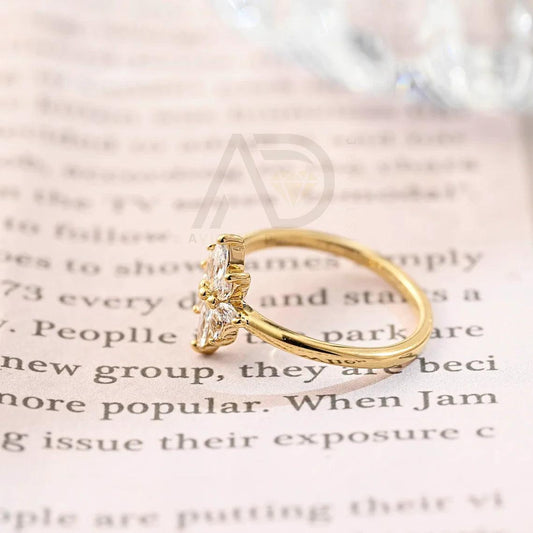

Navigating the Digital Jewelry Marketplace with Confidence
Shopping for fine jewelry online removes the geographical constraints of local boutiques, yet it introduces unique challenges regarding verifying the physical quality of an item before payment. Unlike in-person viewings, a digital purchase requires trust in high-resolution photography, detailed product specifications, and the seller’s proven track record. Without the ability to handle a piece, consumers must rely on transparent documentation, such as independent laboratory reports and clear metal purity stamps, to assess value.
Diligence acts as a primary defense for the modern buyer. Legitimate retailers typically provide extensive product data, including the origin of gemstones and metal karat weights, rather than vague, generic descriptors. At Avittam Diamond Jewels, artisans prioritize this level of transparency by showcasing handcrafted moissanite and lab-grown diamond rings with precise construction details. In contrast, mass-market retailers often provide limited information, which can obscure the use of inferior base metals or synthetic stones.
Setting realistic expectations for service and production is essential. Professional jewelry crafting, such as the custom work offered through avittamdiamondjewels.com, often requires a specific lead time to maintain high standards of precision. While larger retailers may attempt to compete on speed, they often lack the personalized oversight found in specialized studios. Buyers should verify key indicators of a reputable vendor before finalizing a transaction, including:
- A verifiable physical business address and responsive customer service channels.
- Clear return policies that allow for post-purchase inspection.
- Independent grading reports from established entities for high-value gemstones.
- Honest pricing that aligns with current market values for materials like gold and platinum.
Identifying Indicators of a Trustworthy Online Jewelry Retailer

When evaluating an online jewelry retailer, look for transparency in brand identity, such as detailed About pages that introduce their artisans or studio. Seek explicit descriptions of materials, as documentation regarding metal quality or stone origin can help assess product authenticity. When evaluating online reviews, look for consistent, balanced feedback over time rather than clusters of generic, overly perfect ratings. Clear contact information and professional service policies are also useful indicators of a reliable business. Ultimately, trust your judgment by verifying that the business provides specific details regarding their craftsmanship and business operations.
Verifying Business Identity and Operations
Establishing trust begins with confirming the retailer exists beyond a website. A credible seller typically provides a verified physical business address and a working phone number. These details differentiate established studios from anonymous storefronts that rely solely on email, which often leaves buyers without recourse. Look for an About Us page that highlights specific design history, artisan expertise, or professional craftsmanship standards, as companies willing to identify their creators show a higher level of accountability compared to mass-market operations that offer no information about their sourcing or production.
Assessing Transparency and Support
Before committing to a purchase, test the store's responsiveness via provided channels such as live chat, email, or direct telephone support. Many jewelers prioritize building long-term relationships rather than forcing quick, high-pressure transactions. If a site lacks direct communication lines or employs aggressive tactics like countdown timers, exercise caution. Legitimate retailers often maintain memberships with reputable organizations like the Better Business Bureau (BBB) or jewelry-specific trade groups, which serve as third-party markers of ethical conduct. Professional guidance can be central to the acquisition process, helping customers feel supported rather than pressured while exploring custom engagement rings or lab-grown diamond pieces.
| Indicator | Reliable Sign | Red Flag |
|---|---|---|
| Contact Info | Physical address, phone, and email | Anonymous email only |
| Business History | Detailed artisan or studio background | No history or vague origin |
| Sales Approach | Consultative and informative | High-pressure tactics or countdowns |
| Credentials | BBB membership or cited industry groups | No third-party verification |
Standard Methods for Verifying Jewelry Authenticity and Metal Purity
Verifying the authenticity of jewelry starts with identifying manufacturer hallmarks and quality stamps, which are typically found inside ring bands, on clasps, or engraved on pendants. These standardized marks serve as an official industry method for confirming metal purity, such as 10K, 14K, 18K, or 24K for gold, or 925 for sterling silver. Buyers should perform their own inspections. Unlike mass-produced items where such indicators might be faint or absent, high-quality pieces feature clear, professional stamping.
Understanding the difference between construction methods is also important. Solid gold is uniform throughout, whereas gold-plated or gold-filled items consist of a base metal coated in a thin layer of gold, which wears away over time. One simple field test involves using a magnet. Genuine gold and silver are not magnetic, so if a piece sticks to a magnet, it contains base metals rather than the precious metals advertised.
What are common, reliable methods for verifying the authenticity of jewelry?
Authenticating jewelry relies on a combination of visual cues and external validation. Beyond inspecting hallmarks, buyers should seek official documentation or certificates of authenticity from recognized gemological laboratories to verify gemstone quality. While home testing with magnets provides quick insight, it is not conclusive for high-value items. Professional appraisal remains the most reliable method, as it utilizes advanced tools like magnification and thermal testing to confirm composition. Maintaining independent records and appraisals is recommended for insurance and long-term verification purposes.
The Role of Independent Lab Certification for Gemstones
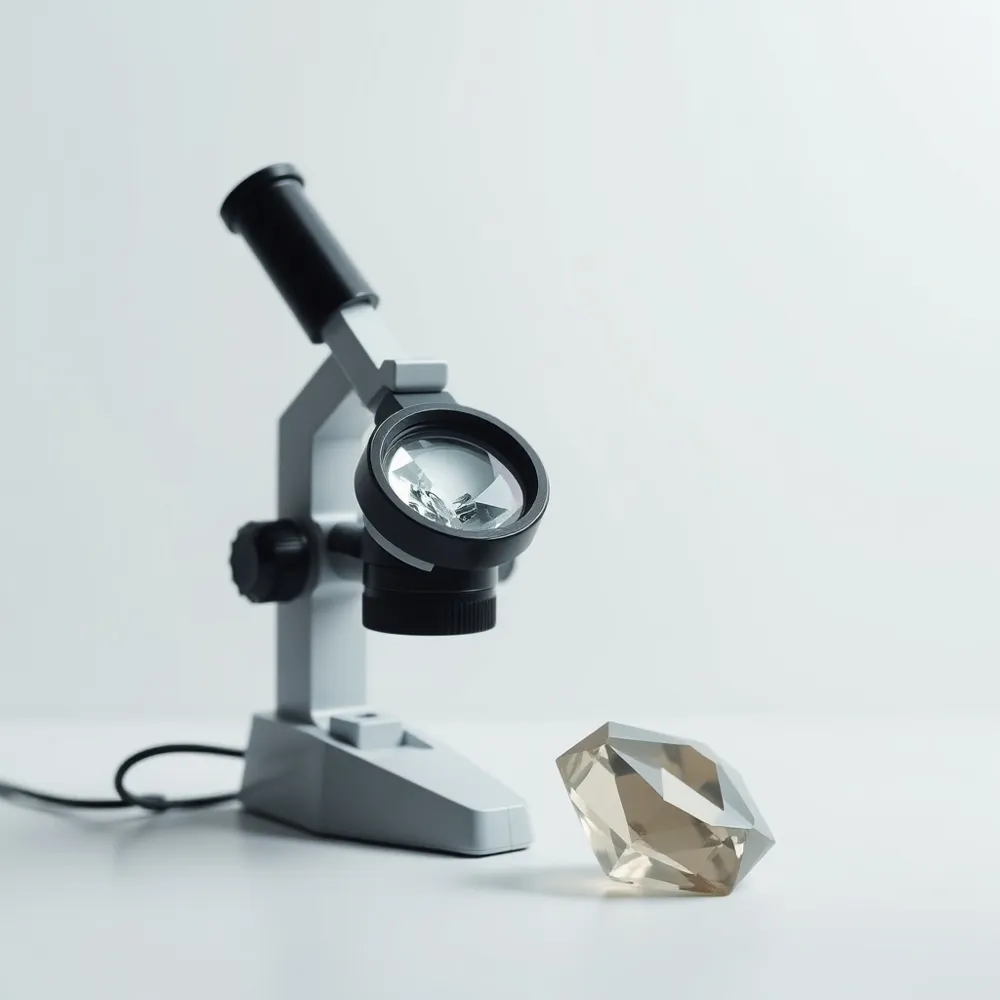
When sourcing fine jewelry, an independent grading report acts as an objective fingerprint for your gemstone. Reputable institutions such as the Gemological Institute of America (GIA), the American Gem Society (AGS), and the International Gemological Institute (IGI) provide standardized evaluations that help buyers compare stones with confidence. These reports document the 4Cs, which define a diamond's quality: cut, color, clarity, and carat weight. While the GIA scale for color ranges from D (colorless) to Z (light yellow or brown), clarity grading assesses the presence of internal inclusions or surface blemishes.
For consumers considering sustainable choices, understanding the distinction between natural diamonds and lab-grown alternatives is essential. Lab-grown diamonds offer an ethical alternative to mined diamonds without sacrificing visual brilliance. Regardless of the stone's origin, any legitimate seller should provide independent documentation for significant purchases. This certification ensures that the gemstone receives an unbiased assessment regarding its physical characteristics and quality.
Verifying Your Documentation
Transparency is a hallmark of a trustworthy retailer, and purchasers can verify specific claims by checking the unique certificate number directly on the laboratory's official website. This quick validation step confirms that the document matches the stone received. Buyers should be wary of sellers who rely solely on in-house appraisals, as these may lack the rigorous, third-party oversight of established laboratories. By pairing professional certifications with authentic, handcrafted jewelry, you can ensure your investment meets your expectations for both quality and value.
| Feature | Significance | Verification Step |
|---|---|---|
| Certificate Number | Confirms data accuracy | Check on lab website |
| The 4Cs | Defines stone quality | Review grading report |
| Stone Origin | Natural vs Lab-Grown | Consult lab documentation |
Recognizing Market Red Flags and Avoiding Scams
When browsing jewelry online, pricing that deviates significantly below current market averages for similar materials often signals low-quality goods or potential fraud. Shoppers should use resources like the Kitco Gold Index to monitor precious metal costs, as legitimate items rarely trade far from these established benchmarks.
- Be cautious of high-pressure sales tactics, such as ticking countdown timers or banners claiming a limited number of items left, which are designed to force impulse decisions rather than informed purchases.
- Avoid payment methods that lack fraud recovery mechanisms. Wire transfers, cryptocurrency, Zelle, and Venmo offer little recourse if a product is never delivered or fails to match its description.
- Prioritize the use of credit cards for all transactions. This method provides vital chargeback and dispute protections that are critical for recovering funds in the event of an fraudulent online jewelry sale.
Reliable retailers distinguish themselves through clear, honest communication and secure financial practices. If a store uses aggressive language to rush your decision or refuses to accept standard, protected credit card payments, these serve as clear indicators to refrain from proceeding with your order.
Professional Appraisal Costs and Expert Verification
Obtaining a professional appraisal is a vital step in confirming the quality and value of your jewelry. While initial checks like visual inspection and magnetic tests for metal purity are useful, they cannot replace the specialized tools used by trained gemologists. Professionals utilize advanced equipment, such as thermal conductivity testers to verify diamond authenticity and high-powered magnification to identify internal inclusions or external blemishes that aren't visible to the naked eye.
Understanding the purpose of an appraisal is important when seeking a valuation. Insurance appraisals, which document the replacement cost for coverage purposes, offer a detailed report from a certified gemologist. In contrast, resale appraisals focus on the fair market value.
How much does professional jewelry authentication typically cost?
The cost of a professional jewelry appraisal typically ranges from $100 to $200. This price varies based on several factors, including the specific purpose of the appraisal, such as for insurance or resale, and the expertise of the appraiser. Insurance appraisals are generally more expensive because they require a detailed report completed by a certified gemologist. In contrast, resale or fair market appraisals may cost less as they require less extensive documentation. Ultimately, the total fee is influenced by the complexity of the piece, the appraiser's experience, and the depth of the evaluation provided.
Styling Your Fine Jewelry with Professional Guidance
Selecting the right fine jewelry involves more than just verifying the quality of materials or the provenance of a gemstone. Creating a balanced, intentional aesthetic requires an understanding of how individual pieces interact with your overall silhouette. Professionals often rely on structured approaches to avoid the pitfalls of over-accessorizing, ensuring that each item you wear adds to your look rather than creating visual distraction.
What is the 2:1:1 rule in jewelry styling?
The 2-1-1 jewelry styling rule is a professional guideline designed to create visual balance by distributing accessories across three key areas of the body. The formula suggests wearing two pieces on the hands or wrists, such as stacked rings or a watch and bracelet, one statement piece near the face, such as earrings, and one piece on the décolletage, like a necklace. By focusing on these specific zones, the rule helps prevent an over-accessorized appearance and ensures your jewelry enhances rather than competes with your outfit. It functions as a flexible framework for achieving a curated, polished look suitable for everything from corporate settings to casual outings. Ultimately, this approach simplifies the daily styling process by establishing a clear visual hierarchy that complements your overall silhouette.
When building an accessory collection, it is helpful to start with versatile, high-quality staples. Choosing lab-grown diamond rings or elegant moissanite bands provides a sophisticated base that fits seamlessly into the 2-1-1 framework. Craftsmanship that maintains its brilliance and integrity through years of consistent daily use is a key consideration.
Balancing statement pieces with subtle accents requires prioritizing the focal point of your attire. For example, if you choose bold, intricate earrings, opting for a simpler ring stack or a delicate bracelet allows the earrings to stand out without competing for attention. This visual hierarchy is particularly effective when working with high-quality, ethically sourced materials. By investing in well-constructed, timeless jewelry, you ensure that even your most minimalist choices remain a hallmark of quality and personal style.
Final Steps for a Secure Jewelry Acquisition
Achieving a successful online purchase requires diligence both before and after the transaction. Once your piece arrives, immediate verification is essential. Start by comparing your physical item against the provided grading documentation or certification. Engaging an independent professional appraiser allows you to confirm the quality of the materials and the accuracy of the stone grading you received. While larger brands may prioritize high-volume sales, Avittam Diamond Jewels focuses on the craft of in-house artisans to ensure each piece aligns with advertised specifications.
Review your purchase with a focus on the retailer's support framework. Legitimate sellers offer transparent warranty terms that cover manufacturing defects, alongside a clear return policy that provides you sufficient time for inspection. If you find discrepancies, exercise your rights immediately through official communication channels. Companies like Avittam Diamond Jewels maintain clear protocols for custom orders and quality assurance to provide peace of mind throughout the ownership process. Always remember that patient, informed research serves as your primary defense against fraudulent listings. By verifying metal stamps, confirming certification pedigree, and prioritizing retailers with traceable support, you can secure authentic fine jewelry that retains its beauty and value.