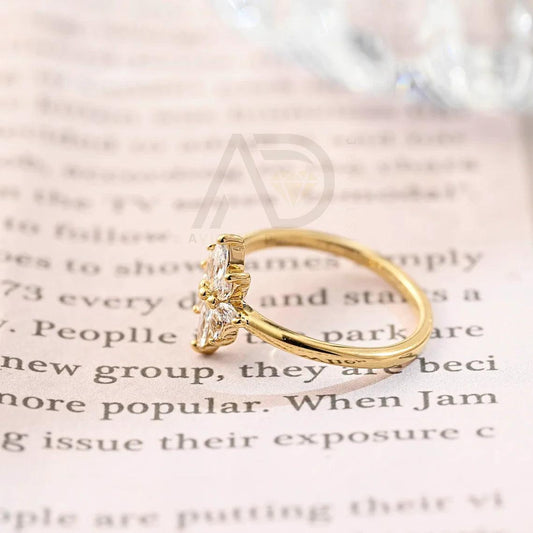

An Introduction to Two Brilliant Choices
Selecting the center stone for an engagement ring is a deeply personal journey that defines the character of your piece. When evaluating moissanite vs diamond side by side, couples often find themselves choosing between two distinct expressions of light and luxury. While both gems have become preferred selections for bridal jewelry due to their exceptional hardness and lasting beauty, they offer fundamentally different aesthetic experiences that cater to varied preferences.
At Avittam Diamond Jewels, we believe that understanding the unique personality of each stone is essential to finding a ring that resonates with your vision. Our team specializes in guiding couples through this refined selection process, ensuring every bespoke creation aligns with your expectations for brilliance and durability. Whether you are drawn to the timeless prestige of a natural diamond or the vibrant fire of modern lab-grown alternatives, our curated catalog is designed to simplify your search.
By examining these stones through a detailed, professional lens, we help you weigh the optical performance, long-term resilience, and emotional significance of your choice. Our expertise ensures that you can make an informed decision, confident that your final selection reflects both your personal taste and the enduring quality you deserve for such a significant milestone.
Primary Distinctions: Composition and Optical Brilliance
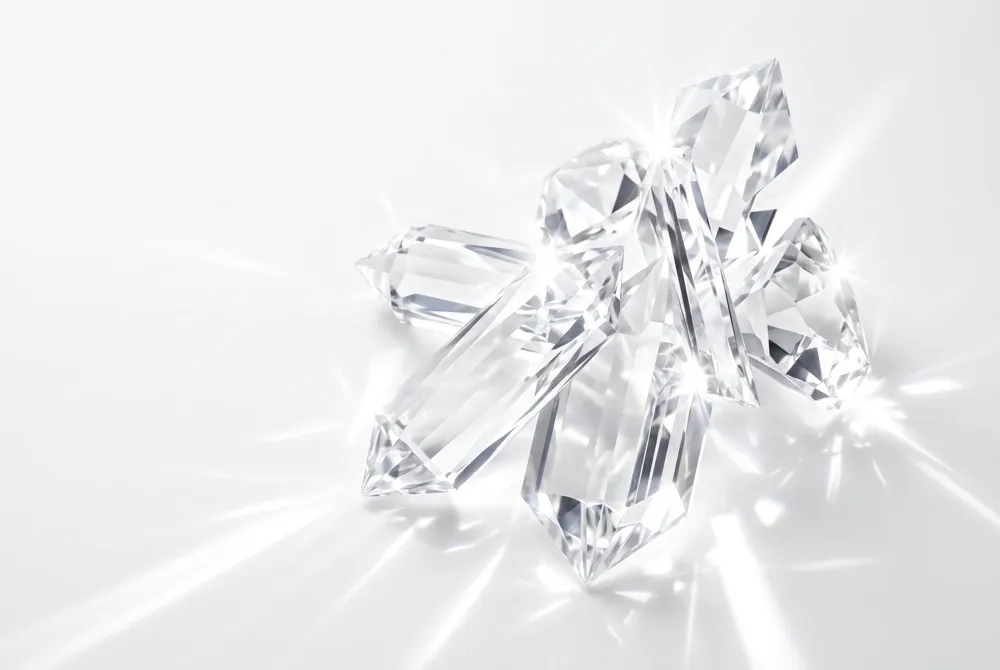
When considering the primary distinctions between moissanite vs diamond side by side, it is essential to look at their unique optical qualities and structural composition. While diamonds are prized for their timeless white light return and unparalleled hardness, moissanite is celebrated for its exceptional brilliance and distinct, colorful fire that shimmers with vibrant rainbow flashes. Because each stone interacts with light differently, placing a moissanite vs diamond side by side reveals a subtle contrast between the classic, sophisticated sparkle of a diamond and the high-energy, prismatic display of a moissanite.
The structural foundation of these stones defines their performance. A diamond consists of pure carbon crystallized under immense pressure. In contrast, moissanite is composed of silicon carbide. This chemical difference influences how light travels through the stone. For couples seeking the refined aesthetic of a traditional center stone, Avittam Diamond Jewels offers high-quality diamonds that return crisp white light, providing that signature icy brilliance.
Optical performance remains the most noticeable factor when performing a moissanite vs diamond side by side comparison. Moissanite possesses a higher refractive index, typically ranging between 2.65 and 2.69, while diamonds measure approximately 2.42. This higher index, coupled with a superior dispersion rate, allows moissanite to cast vivid rainbow flashes known as fire. Diamonds tend to exhibit a more balanced scintillation, prioritizing bright white light. At Avittam Diamond Jewels, we guide couples through these nuances to ensure their choice aligns with their personal style and vision for their engagement ring.
Another subtle technical distinction arises from the way these stones refract light. Moissanite is doubly refractive, a property that can cause facet junctions to appear slightly doubled or blurred when viewed under significant magnification. Diamonds are singly refractive, producing clean and sharp lines. While this effect is rarely visible to the naked eye, it highlights the distinct nature of each material. Whether choosing the traditional elegance of a diamond or the fiery, brilliant character of moissanite, understanding these properties ensures that your selection from Avittam Diamond Jewels remains a source of joy for years to come.
Clarifying the Confusion: Moissanite Is Not a Lab-Grown Diamond
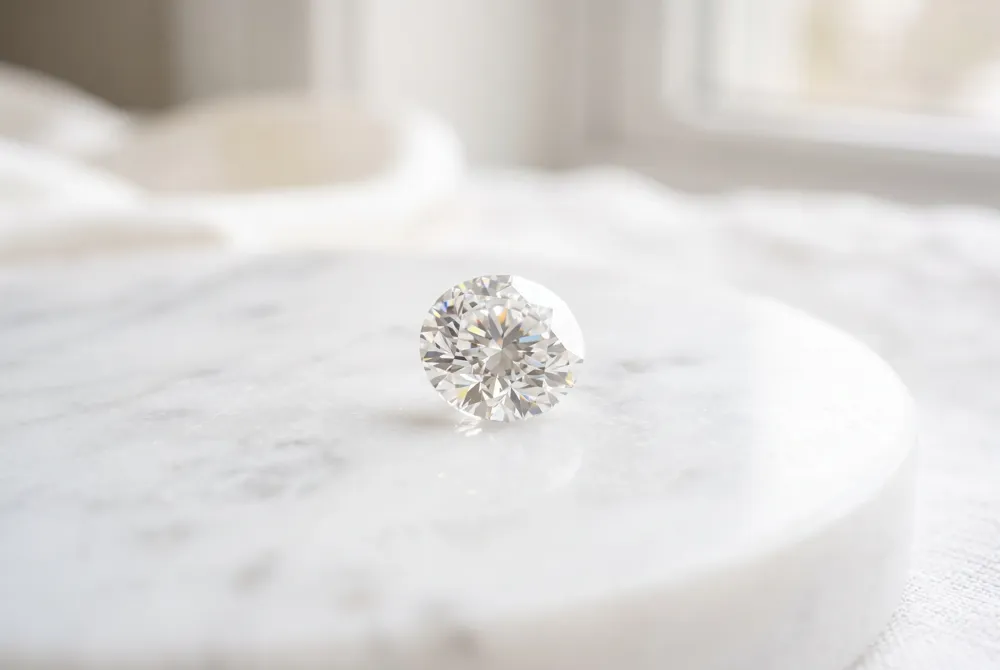
For couples navigating their engagement ring journey at avittamdiamondjewels.com, discerning the unique nature of each gemstone is a foundational step. A common misconception in the jewelry world is that moissanite is simply a variety of lab-grown diamond. In truth, these stones are fundamentally different substances, and understanding their chemical identities is essential when evaluating a moissanite vs diamond side by side.
Is moissanite a type of lab-grown diamond? No, moissanite and lab-grown diamonds are fundamentally distinct materials, and it is a common misconception to conflate the two. A lab-grown diamond is chemically, physically, and optically identical to a mined diamond, as both consist entirely of pure carbon. In contrast, moissanite is composed of silicon carbide, a unique mineral that possesses its own distinct properties and refractive qualities. When considering moissanite vs diamond side by side, you will notice subtle differences in how each stone interacts with light, reflecting their unique atomic structures. Choosing between them is a matter of personal preference, as both offer a beautiful, sophisticated alternative to traditional mined stones for your bespoke engagement ring.
While both gemstones are now primarily created within laboratory settings, their origins and molecular structures remain separate. At Avittam Diamond Jewels, we provide both lab-grown diamonds and moissanite options, ensuring that our clients understand the nuances of each. Because a lab-grown diamond shares the exact carbon-based crystal structure of a natural diamond, it is classified as a genuine diamond rather than a simulant. Moissanite, however, exists as its own mineral entity.
Distinguishing between these two options allows you to select the stone that best aligns with your vision for timeless elegance. Whether you are drawn to the crisp, white brilliance of a diamond or the intense, rainbow-hued fire characteristic of silicon carbide, knowing the difference ensures your selection is both informed and intentional.
Durability and Long-Term Wear: Hardness and Toughness
When considering a moissanite vs diamond side by side, both gemstones offer exceptional durability suitable for the daily demands of fine jewelry. Diamonds are the hardest material on Earth, ranking a perfect 10 on the Mohs scale, which ensures unparalleled resistance to surface scratches over a lifetime of wear.
Moissanite is also remarkably resilient, ranking between 9.25 and 9.5 on the Mohs scale. This high rating makes it an excellent, reliable choice for engagement rings and wedding bands that must withstand consistent, everyday activity without compromising the stone's integrity.
Differences in internal structure influence how these stones respond to physical pressure. Diamonds possess natural cleavage planes, which can occasionally make them susceptible to chipping from a sharp or direct impact. In contrast, moissanite lacks these specific internal structures, providing a different form of toughness that is highly resistant to breaking or cracking under stress.
Regardless of your choice, neither gemstone will turn cloudy over time, ensuring your ring retains its clarity throughout the years. At Avittam Diamond Jewels, we emphasize that the long-term longevity of your piece depends as much on the security of the metal setting and professional craftsmanship as it does on the intrinsic properties of the center stone itself.
Visual Identification: What to Look For in a Side-by-Side Comparison
When considering a moissanite vs diamond side by side comparison, the average observer will find it remarkably difficult to distinguish between the two based on brilliance alone. Both stones possess exceptional sparkle, though a trained eye may notice that moissanite exhibits a unique, colorful "disco ball" effect under direct sunlight due to its higher refractive index. In contrast, a diamond is celebrated for its signature white light return and subtle flashes of fire. While these nuanced optical differences are subtle to the casual admirer, they become more apparent when evaluated by an expert or under specific professional lighting. Ultimately, both stones offer a stunning, sophisticated aesthetic, ensuring that the choice between them remains a matter of personal preference and individual style.
Professional Identification and Testing Methods
For those seeking definitive confirmation, a professional jeweler can easily identify these stones using specialized equipment. A primary method involves utilizing a loupe to inspect the facet junctions; because moissanite is a doubly refractive material, it often reveals a faint doubling effect of the internal facet edges. This phenomenon is absent in diamonds, which are singly refractive and offer a crisp, singular reflection.
Relying on traditional thermal conductivity tests can sometimes lead to uncertainty, as both gemstones are effective heat conductors. Consequently, many professionals now turn to electrical conductivity tests to provide a more conclusive result. At Avittam Diamond Jewels, our experts utilize these refined evaluation methods to ensure that every couple feels confident and fully informed about the specific characteristics of their chosen gemstone before finalizing their bespoke engagement ring.
| Feature | Diamond | Moissanite |
|---|---|---|
| Refractive Type | Single | Double |
| Light Return | White Brilliance | Rainbow Fire |
| Test Method | Thermal/Electrical | Electrical Conductivity |
Cost and Value: A Practical Comparison for Today’s Couple
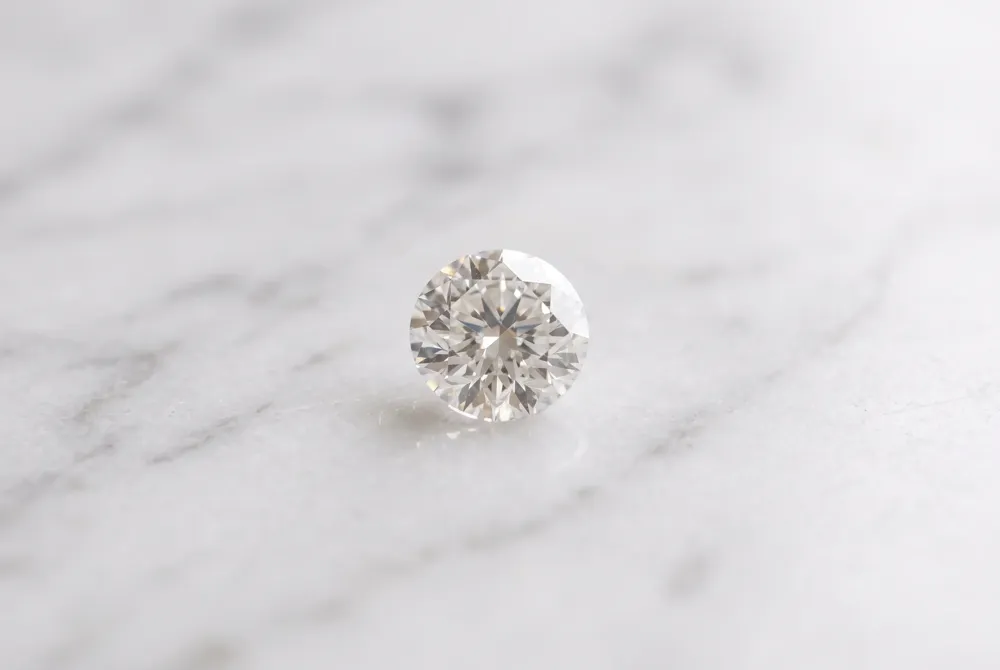
When evaluating moissanite vs diamond side by side, the primary distinction lies in their fundamental market value and rarity. Diamonds command a premium price due to their geological scarcity or the sophisticated technology required to replicate their formation process. In contrast, moissanite is significantly more accessible, allowing couples to achieve a larger carat weight or a more intricate setting design for a smaller investment.
What are the main factors to consider regarding the cost of moissanite versus diamonds?
Pricing for these stones is driven by different metrics. Diamonds follow a traditional 4 Cs valuation that incorporates rarity, while moissanite pricing is primarily determined by its size, shape, and color grade. At avittamdiamondjewels.com, we find that couples often choose moissanite when they wish to prioritize a larger, more eye-catching stone without compromising their overall wedding budget. While diamonds retain a long-standing status as a store of value, moissanite offers a brilliant, durable alternative for those prioritizing aesthetic impact and budget flexibility.
Ultimately, your choice should reflect a balance between your personal financial goals and the symbolic importance you place on the unique characteristics of each stone. Whether you gravitate toward the classic prestige and resale potential of a diamond or the high-fire brilliance and value-per-dollar of moissanite, understanding these economic differences ensures you feel confident in your final selection.
Grading and Color: How Each Stone Is Evaluated
When assessing moissanite vs diamond side by side, the methods used to evaluate quality reflect their different origins and market structures. Diamonds are traditionally held to a rigorous global standard defined by the 4Cs, which encompass cut, color, clarity, and carat weight. This process is typically performed by established, independent institutions like the Gemological Institute of America, providing a transparent and standardized verification of a stone's value.
In contrast, moissanite does not have a universal governing body for grading. Instead, our team at Avittam Diamond Jewels relies on supplier-defined categories that prioritize the gemstone's most aesthetic traits. Rather than the 4Cs, moissanite is evaluated primarily through cut, color, and clarity. Because moissanite is not measured by carat weight in the same way, stones are often sized by their physical millimeter dimensions, which we detail extensively in the guides on avittamdiamondjewels.com to help you visualize the scale of your chosen setting.
Color evaluation for these two stones follows distinct conventions. A high-quality diamond is judged on an icy, colorless scale from D to Z, whereas moissanite is often categorized into specific color tiers. Premium moissanite typically aligns with a G-H color grade, while Super Premium options reach the D-E-F range, mimicking the colorless appearance of the finest diamonds. However, shoppers should note that moissanite may occasionally exhibit subtle gray, yellow, or green undertones in certain lighting conditions. Our curated selections at Avittam Diamond Jewels ensure that each piece meets strict quality expectations, allowing couples to choose between the traditional, crisp white light of a diamond or the vibrant fire characteristic of premium moissanite.
Care and Maintenance: Preserving Your Stone’s Brilliance
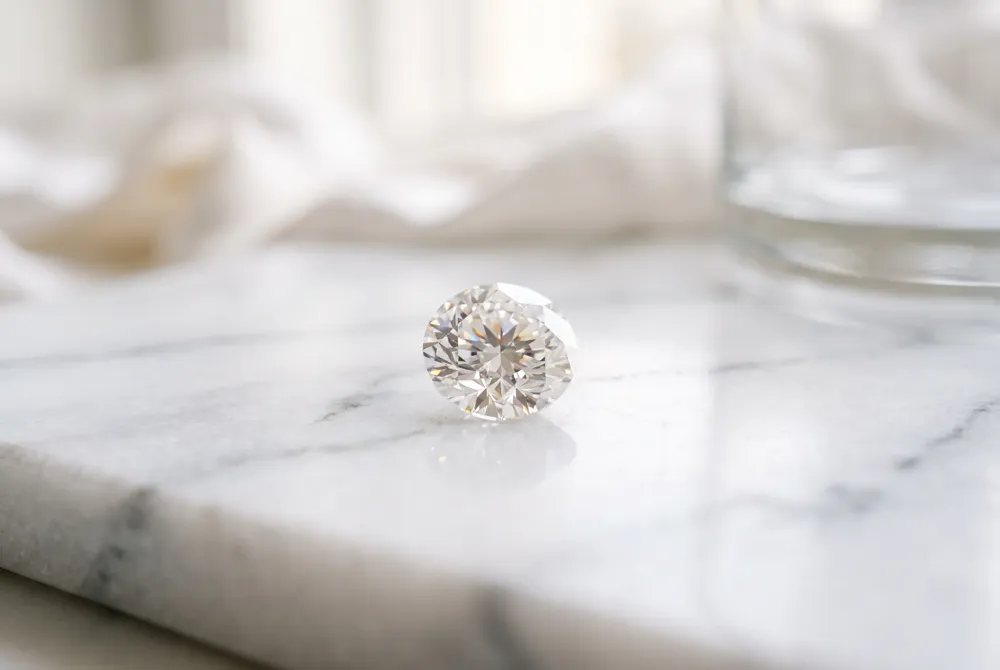
When assessing the long-term upkeep of your engagement ring, understanding the maintenance requirements for a moissanite vs diamond side by side comparison is helpful. Both gemstones are highly durable and can be effectively cleaned using simple household solutions, such as warm water, mild dish soap, and a soft-bristled toothbrush to gently dislodge daily oils and debris.
A notable difference often noted by those who own both is that moissanite naturally repels grease and dirt more effectively than diamond. Consequently, moissanite tends to maintain its signature fire and brilliance for longer periods between routine cleanings. In contrast, diamonds have a natural affinity for oils, which can lead to a slight dimming of their white light performance as the stone accumulates residue from daily wear.
For couples curating a collection at avittamdiamondjewels.com, it is reassuring to know that neither stone will cloud over time. While daily care at home is sufficient, periodic professional cleaning is recommended for both gem types to ensure the integrity of the setting and to check for loose prongs, regardless of whether you choose the colorful dispersion of moissanite or the crisp white scintillation of a diamond.
Choosing Your Perfect Stone: Personal Preference and Avittam’s Expertise
Selecting the center stone for your engagement ring requires balancing distinct physical properties with your personal aesthetic goals. When considering a moissanite vs diamond side by side comparison, it is clear that these stones offer different experiences. Moissanite is celebrated for its intense fire and rainbow brilliance, while diamonds are prized for their icy, white light return and traditional allure. Both options provide the exceptional durability required for a lifetime of daily wear, as diamonds reach a 10 on the Mohs scale and moissanite is a highly resilient 9.25.
Budget and symbolism often guide the final selection process for our couples. Diamonds remain the definitive choice for those seeking historical prestige and distinct grading standards, whereas moissanite offers a significant advantage for those prioritizing size-per-dollar without sacrificing a luminous, sophisticated look. At Avittam Diamond Jewels, we provide both options to ensure that your ring aligns perfectly with your individual values and lifestyle.
Our commitment to timeless elegance is reflected in how we support your journey toward the perfect ring. We provide comprehensive tools, such as virtual try-on features and detailed guides, to help you visualize your design before it is handcrafted. Whether you select the fiery brilliance of moissanite or the classic beauty of a lab-grown diamond, our team is dedicated to a personalized, bespoke experience.
- Consult with our specialists to explore our full range of curated cuts and settings.
- Utilize our bespoke ordering service to customize every aspect of your ring, including metal choice and engraving.
- Enjoy the convenience of a seamless digital shopping experience with free shipping on every order.
A Final Thought on Brilliance and Beauty
Selecting an engagement ring is a deeply personal process, and whether you are drawn to the classic appeal of a diamond or the vibrant fire of a moissanite, both stones offer lasting beauty for everyday wear. When evaluating a moissanite vs diamond side by side, there is no single right answer, as the best choice ultimately aligns with your personal values, lifestyle, and aesthetic preferences.
At Avittam Diamond Jewels, we believe that transparency and expertise are the foundations of a rewarding jewelry experience. Our team is dedicated to helping you navigate these options with confidence, ensuring that your final choice reflects your unique journey. We provide a highly curated selection that emphasizes craftsmanship and quality, allowing you to focus on the significance of the moment rather than the stresses of the search.
We invite you to explore our refined engagement rings and utilize our digital resources, including virtual try-on tools, to visualize your piece from the comfort of home. By combining modern, AI-native technology with a commitment to timeless elegance, we ensure that every customer receives a personalized shopping experience tailored to their vision.