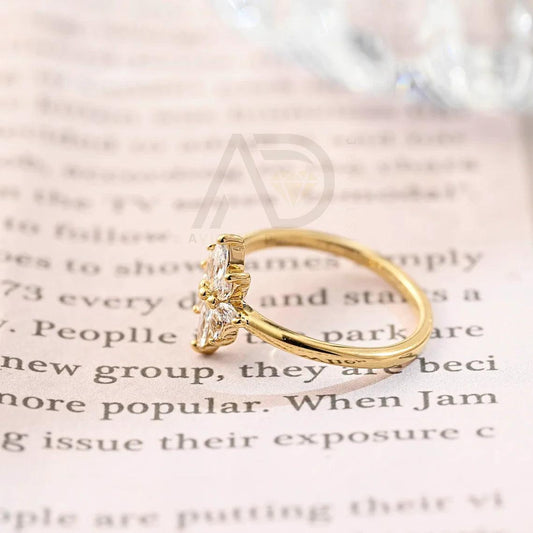

A Tale of Two Silhouettes
Selecting an engagement ring involves choosing a silhouette that resonates with your unique style, and the princess cut and pear shaped engagement rings remain two of the most popular, yet distinct, choices available today. The princess cut, favored for its modern geometry and intense brilliance, offers a bold, square aesthetic that radiates contemporary elegance. In contrast, the pear shaped engagement ring captures a timeless, teardrop grace, balancing soft curves with a dramatic point to create an elongated visual profile.
At avittamdiamondjewels.com, we understand that the perfect ring is an extension of your personality. While other jewelers may push standard ready-made options, we focus on helping you find a silhouette that complements your natural hand proportions. Whether you prefer the sharp, structured lines of a square cut or the fluid, finger-lengthening effect of a teardrop, your choice should reflect how the diamond interacts with your own features.
Understanding these subtle differences is essential to finding a piece that you will cherish for a lifetime. As noted in the GIA 4Cs guide, both shapes demand specific attention to symmetry and setting to ensure optimal performance. In the following sections, we will explore the nuances of light return, setting requirements, and style considerations to help you confidently select the diamond that feels entirely your own.
The Essential Characteristics of a Princess Cut Diamond
The princess cut, known as a square modified brilliant, is celebrated for its sophisticated, geometric silhouette that offers a contemporary alternative to traditional round stones. From above, this elegant cut presents a square or rectangular outline, while its profile resembles an inverted pyramid with four beveled sides. Renowned for its exceptional light performance, the princess cut features a complex arrangement of facets that maximizes radiance and fire. As the second most popular engagement ring choice after the round brilliant, it captures the ideal balance of modern architectural precision and the high-intensity brilliance favored by many.
While its sharp, clean lines provide a timeless aesthetic perfect for engagement rings, the pointed corners are vulnerable and require secure settings, such as V-prongs or bezel designs, to ensure the diamond remains protected from chipping. Buyers seeking the perfect symmetry of a square should look for a length-to-width ratio of 1.05 or below, as ratios of 1.2 or higher shift the appearance toward a distinct rectangle. Because this shape is cut from the original diamond crystal with minimal waste, it is often more cost-effective than other brilliant cuts. For those exploring bespoke options, Avittam Diamond Jewels provides expert guidance to ensure your selection reflects both your stylistic vision and practical durability needs.
The Symbolism and Allure of a Pear-Shaped Engagement Ring
A pear shaped engagement ring is celebrated for its graceful teardrop silhouette, which harmoniously blends the brilliance of a round cut with the tapered elegance of a marquise. This sophisticated shape, which traces its origins back to the 1400s when Flemish polisher Lodewyk van Bercken invented the precision polishing wheel, offers a unique aesthetic that balances tradition with modern flair. While a sharp princess cut provides a bold, geometric look, the pear shape appeals to the romantic spirit by offering a fluid, elongated profile that creates the illusion of longer, more slender fingers.
What does a pear-shaped engagement ring symbolize?
A pear-shaped engagement ring symbolizes a profound harmony between resilience and emotional depth. Often associated with tears of joy, this distinctive cut serves as an emblem of a couple's unique journey, capturing the sparkle of both round brilliant and marquise-cut traditions. Choosing this exquisite design reflects a commitment to a love that is as enduring as it is unconventional. It remains a poetic choice for those who value timeless elegance paired with a truly distinctive, storied flair.
When selecting your stone, keep in mind that the pear shape is a fancy cut, meaning it requires careful evaluation of its symmetry. A well-cut pear must have perfectly balanced sides so that the point aligns with the apex of the curved end. Buyers should be aware of the bowtie effect, a dark shadow that can appear across the center of the stone if the facets are not precisely angled. Unlike the standardized symmetry of a princess cut, a pear requires an eye for detail to ensure the stone maintains its brilliance throughout.
Because the pointed tip is susceptible to snagging or chipping during daily wear, security is paramount. Experts recommend selecting a setting that protects this vulnerable area, such as a v-prong or a secure bezel, to maintain the stone's integrity. At avittamdiamondjewels.com, our bespoke services allow you to choose the perfect protective setting to suit your lifestyle, ensuring your ring remains as stunning as the day it was created.
Princess Cut vs Pear Shape: A Comparison of Brilliance and Style
Selecting an engagement ring requires balancing personal preference with how a diamond interacts with light. While the round brilliant remains the industry standard, the princess cut and pear shaped engagement rings represent two distinct paths for you to explore modern elegance and unique brilliance.
How do princess cut diamonds compare to other popular diamond cuts?
While the round brilliant remains the hallmark of traditional fire and sparkle, the princess cut offers a distinct, angular profile that provides high brilliance in a modern package. Unlike the step-like facets of an Asscher cut, which prioritize clarity and depth, the princess cut is engineered for maximum light return, offering a different, yet equally captivating, visual experience. When contrasted with the elongated, soft elegance of pear shaped engagement rings, the princess cut commands attention through its sharp corners and geometric precision. It stands as a sophisticated choice if you favor structured lines over the fluid, organic silhouettes found in softer stone shapes. Ultimately, choosing between these cuts is a matter of personal style, as each offers a unique interplay of light and shadow that defines the character of the ring.
The visual impact of these shapes often hinges on their geometry. Because of its diagonal measurements, a princess cut often appears larger to the eye than a round stone of the same carat weight. In contrast, the teardrop silhouette of a pear shaped engagement ring is celebrated for creating a flattering, finger-lengthening illusion, making it a favored choice if you desire a more slender appearance on the hand. GIA notes that both shapes are highly effective at providing unique aesthetic value, yet they require careful attention to durability.
Durability is a primary consideration for both cuts, though for different reasons. The sharp corners of a princess cut are prone to chipping and require secure prongs, while the delicate point of a pear-shaped diamond is similarly vulnerable, often protected by a specialized prong at the tip. Because both styles are considered non-round cuts, they frequently offer greater budget efficiency than round brilliants, as their cutting process preserves more of the original rough diamond. Whether you prioritize the bold geometry of the princess cut or the fluid, organic grace of the pear shape, these stones provide exceptional character for a bespoke ring.
Choosing the Most Flattering Shape for Your Hand
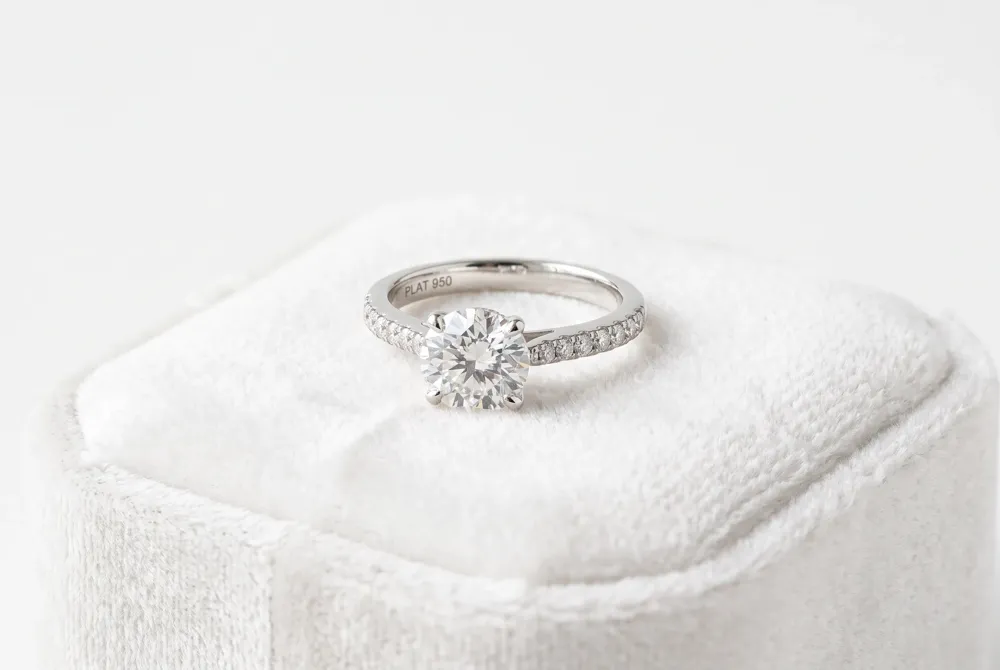
Selecting the ideal engagement ring shape is an intimate journey that harmonizes personal aesthetic with the natural proportions of your hand. Because a diamond's silhouette influences its overall presence, understanding how specific cuts interact with your finger length and width is essential to finding a piece that feels both comfortable and proportionate.
How do I choose the most flattering engagement ring shape for my hand?
For those seeking to visually lengthen the fingers, elongated silhouettes such as pear shaped engagement rings offer an elegant, graceful effect. By drawing the eye along the finger, this teardrop form is particularly well-suited to individuals with shorter fingers or those who desire a more slender appearance. While these shapes provide a beautiful elongating illusion, those with wider fingers should note that the tapering tip can sometimes emphasize width rather than masking it. In such cases, one might consider alternative settings that provide more lateral coverage to balance the hand.
Conversely, the structured geometry of a princess cut provides a striking, modern contrast that adds breadth to the hand. This square shape is often ideal for long, slender fingers, where its bold dimensions provide a balanced, proportional look. However, we advise caution for those with square-shaped hands or fingers, as the defined 90-degree corners of a princess cut can inadvertently emphasize the squareness of the hand rather than creating a slimming effect.
Versatility remains the hallmark of long, slender fingers, which can accommodate almost any diamond shape with equal grace. Whether you prefer the dramatic elegance of a pear or the contemporary, brilliant lines of a princess cut, your hand will likely carry both styles with ease. At avittamdiamondjewels.com, we understand that the perfect choice is deeply personal. We invite you to utilize our digital resources to confidently visualize how these exquisite shapes sit on your hand, ensuring your final selection is as timeless as your commitment.
The 5 C’s: Cut, Color, Clarity, Carat, and Confidence
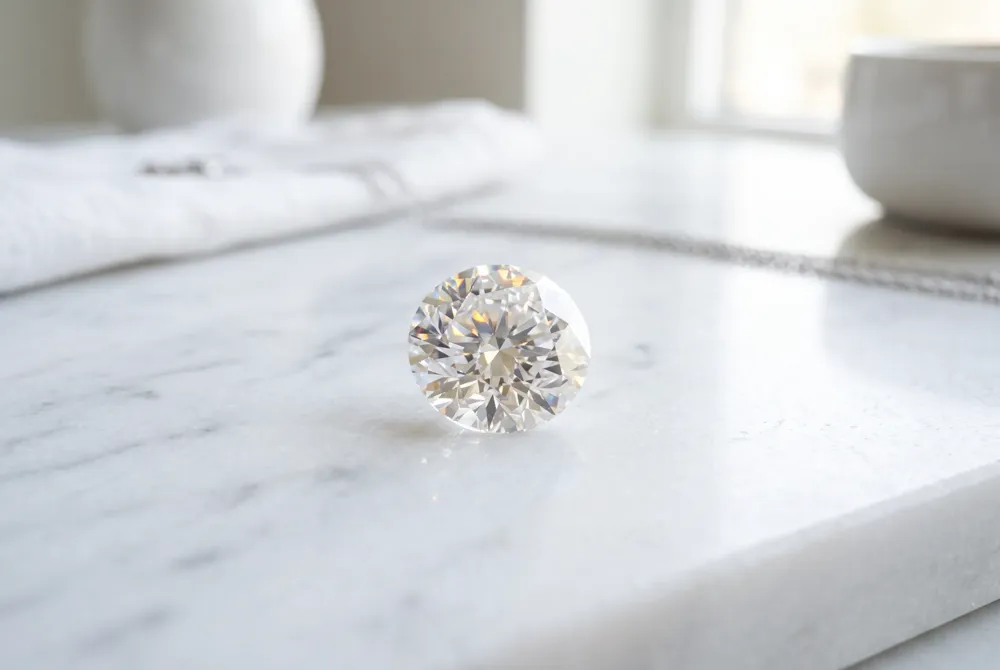
Selecting the perfect diamond begins with understanding the traditional 4 C’s—Cut, Color, Clarity, and Carat—which collectively determine the stone's brilliance and value. The Cut dictates how light dances through a princess cut or a pear shaped engagement ring, while Color, Clarity, and Carat refine the diamond’s visual purity and size. Beyond these technical benchmarks, we emphasize the fifth C: Confidence. This ensures your diamond is ethically sourced and accompanied by full transparency regarding its origin, allowing you to invest in a piece that aligns with your personal values. By considering all five factors, you ensure your selection is as meaningful as it is beautiful.
Evaluating Cut and Brilliance
Unlike traditional round stones, GIA does not provide a standardized cut grade for fancy shapes like these. Consequently, you must evaluate the proportions independently. For a princess cut, prioritize a table percentage below 75 percent and depth between 65 and 75 percent. With pear shapes, look for a balanced depth and table to prevent a prominent bowtie effect, where internal shadows obscure light return.
Recommendations for Color and Clarity
Color and clarity requirements shift based on your metal choice and the stone's unique facets. For a princess cut set in white gold or platinum, an H or I color grade is often sufficient to maintain a crisp appearance, while VS2 or SI1 clarity grades remain eye-clean. For pear shaped engagement rings, we recommend a G or H color grade to ensure the stone looks brilliant against white-toned metals. Because both shapes are brilliant cuts, they effectively hide minor inclusions, allowing for smart value-based choices without sacrificing visual perfection.
| Feature | Princess Cut | Pear Shape |
|---|---|---|
| Carat Perception | May appear smaller | Often looks larger |
| Recommended Color | H-I (White Gold) | G-H (White Gold) |
| Clarity Grade | SI1 or VS2 | SI1 or VS2 |
Protecting Your Diamond with the Right Setting
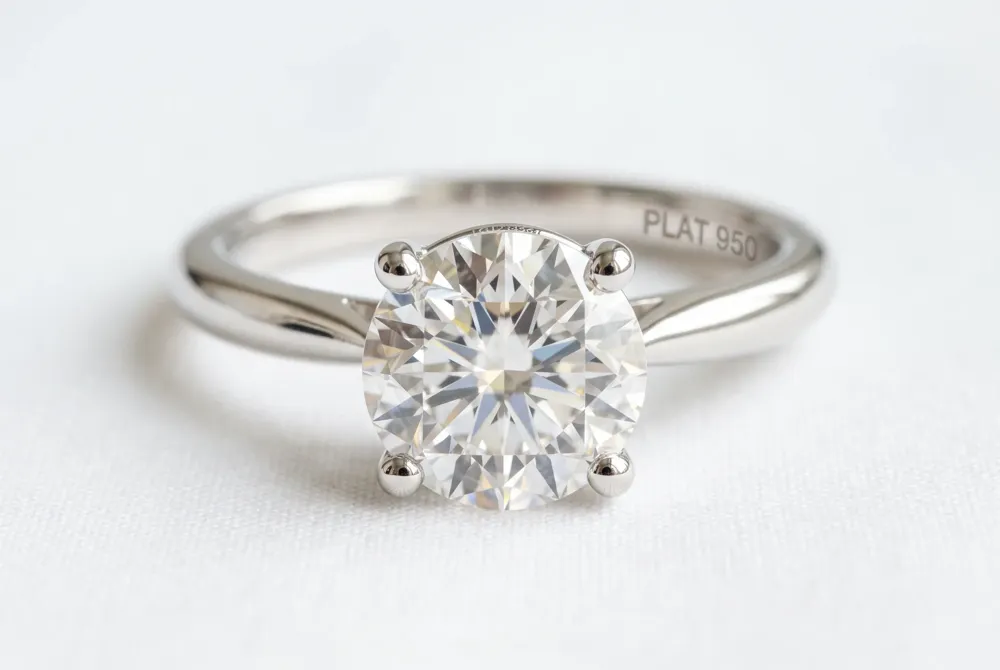
Selecting an engagement ring requires a balance between aesthetic appeal and structural integrity, particularly when choosing cuts with delicate features. Both the princess cut and pear shaped engagement rings possess unique silhouettes that necessitate specific setting techniques to ensure they withstand the demands of daily wear.
The sharp 90-degree corners of a princess cut are its most vulnerable points and remain highly susceptible to chipping. To mitigate this risk, these stones are best secured in settings that provide robust corner coverage, such as V-prongs that wrap firmly around each edge or a full bezel setting that encircles the diamond entirely.
Conversely, the tapered point of a pear shaped engagement ring requires careful guarding to prevent damage to the stone's apex. A five-prong setting is frequently recommended for this teardrop silhouette, featuring a dedicated V-tip prong that shields the delicate point from impact.
Regardless of your chosen shape, maintaining the security of your ring is a long-term commitment. Whatever the brand or bespoke design details, it is professional standard to schedule a thorough inspection every six months to ensure prongs remain tight and protective. At avittamdiamondjewels.com, we prioritize this longevity by offering tailored craftsmanship that integrates these protective elements into your bespoke engagement ring, ensuring that your choice remains as durable as it is beautiful.
Budget and Value: Cost Comparisons
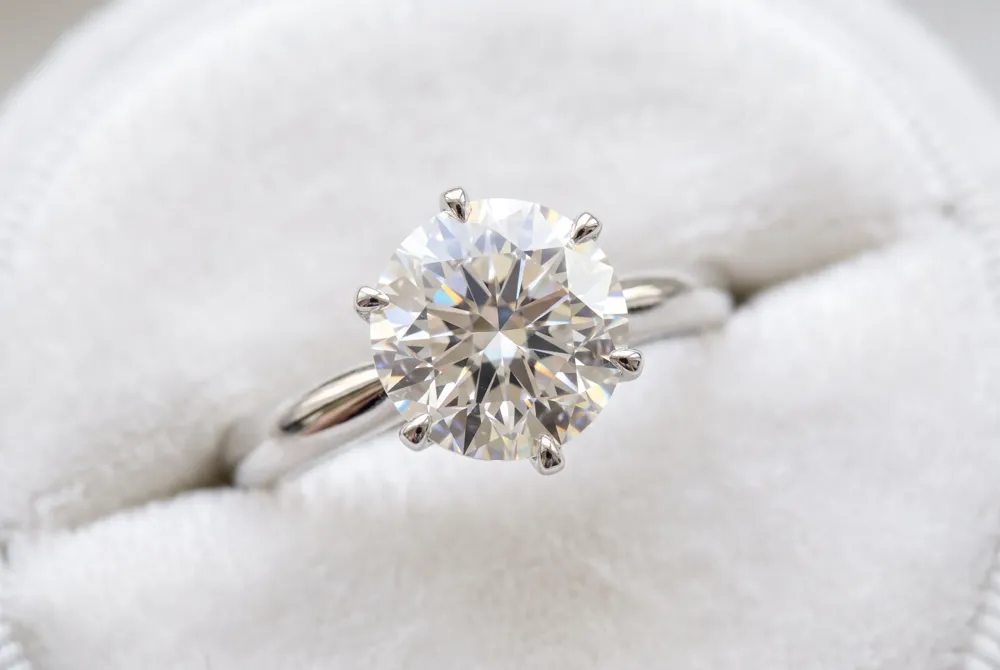
For couples balancing luxury with fiscal prudence, both the princess cut and pear shaped engagement rings provide exceptional value compared to the traditional round brilliant. Because of how these fancy shapes are carved from the original rough diamond, they require less material removal and therefore often carry a more accessible price point.
The princess cut is particularly efficient, typically costing roughly 30% less than a round diamond of equivalent carat weight. While its deep pavilion may result in a slightly smaller face-up surface area, its diagonal measurements are significant, often creating the impression of a larger stone. At avittamdiamondjewels.com, we help clients navigate these nuances to ensure they maximize both the visual impact and the intrinsic quality of their chosen gemstone.
Pear shaped engagement rings similarly offer a distinct financial advantage, generally proving to be about 25% more cost-effective than round brilliant diamonds of comparable quality. Beyond the savings, the elongated silhouette of the pear shape creates a sophisticated illusion of size, making the stone appear more substantial on the finger. Whether you prefer the geometric modernism of a princess cut or the fluid elegance of a pear, these shapes allow for a larger visual appearance per dollar spent, ensuring your engagement ring remains as enduringly beautiful as it is a wise investment.
Design Versatility and Personalization
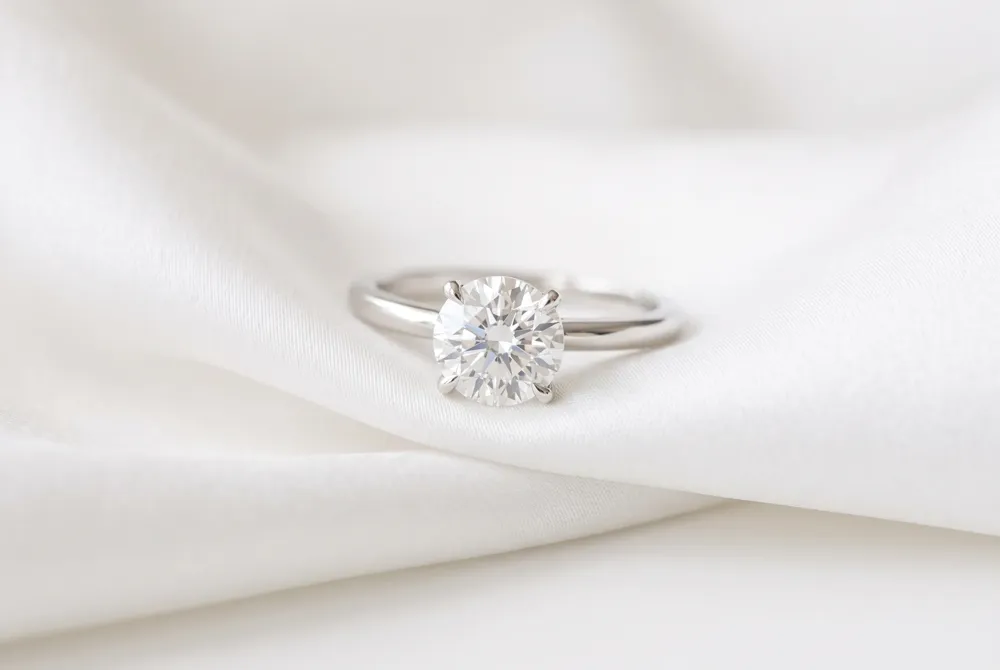
The allure of a princess cut or pear shaped engagement rings often lies in their ability to anchor a wide array of sophisticated ring designs. At avittamdiamondjewels.com, we understand that the final silhouette is a canvas for your personal narrative, whether you prefer the clean, geometric structure of a square brilliant or the fluid, asymmetric grace of a teardrop.
Both shapes thrive across classic settings. A minimalist solitaire allows the bold facet patterns of a princess cut to take center stage, while a halo setting enhances the perceived scale of a pear-shaped diamond. Three-stone arrangements provide an opportunity for artistic fusion, such as flanking a central pear with smaller princess stones for an avant-garde contrast. Through the bespoke services available at avittamdiamondjewels.com, couples can tailor every element of these settings to align with their specific aesthetic vision.
Versatility is particularly inherent to the pear shape, which offers unique orientation options. Wearers may choose to set the diamond with the point facing the nail to elongate the finger, or reverse it for a more unconventional, contemporary presentation. In contrast, the princess cut offers a structured elegance that pairs seamlessly with diverse metal choices. While white gold or platinum highlights the crisp, colorless brilliance of these stones, choosing rose or yellow gold allows for a warmer aesthetic, often permitting a more flexible approach to color grading without sacrificing visual appeal.
Your Perfect Silhouette Awaits
Selecting the centerpiece of your love story is an intimate process. The geometric precision of a princess cut offers a bold, contemporary brilliance, while the graceful curves of pear shaped engagement rings provide a timeless teardrop aesthetic known for elongating the finger.
Your decision should ultimately reflect your personal narrative. While hand proportions can guide your choice, the most vital aspect remains your individual style. Whether you prefer the architectural sharp lines of a square cut or the fluid, romantic elongation of a teardrop, both silhouettes offer exceptional beauty and sophistication.
At avittamdiamondjewels.com, we prioritize both quality and conscience through our commitment to ethically sourced stones and superior craftsmanship. We invite you to experience the allure of these exquisite designs through our virtual try-on tools, allowing you to envision the perfect fit before making your selection.
Whether you choose the structured fire of a princess cut or the distinct elegance of a pear shape, our team is dedicated to guiding you toward a choice that resonates with your values. Explore our curated collections today to discover the piece that defines your journey together.