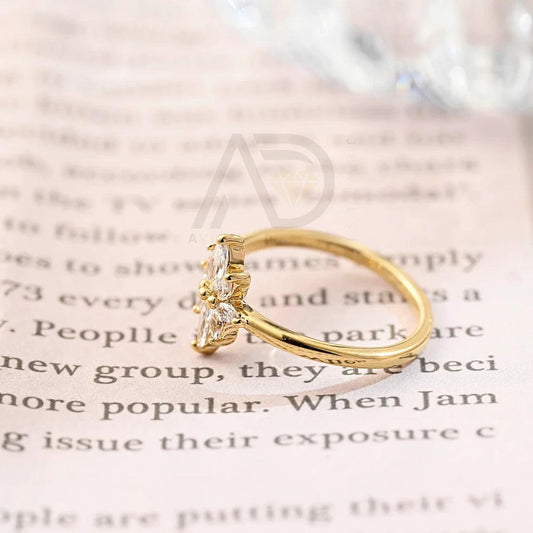

A Promise in a Distinctive Silhouette
Teardrop-style promise rings pair the gentle curve of a pear-shaped stone with a single, expressive point. The silhouette feels distinctive and graceful, offering a way to mark a personal commitment without suggesting that every promise ring is an engagement ring.
The meaning belongs to the people exchanging it. A promise might reflect devotion, a shared intention, or a step in a relationship, and it need not follow a fixed timetable. Choosing the ring together can help make its significance clear and personal.
The design deserves the same care as the sentiment. Consider whether a diamond or colored gemstone suits the wearer, then look at the setting, metal, and orientation. A pear-shaped stone can point toward the fingertip or turn toward the wrist; neither choice is inherently right for everyone.
Everyday comfort matters, too. A protected point, a secure setting, and a band that sits comfortably beside other rings can make the piece easier to wear regularly. Avittam Diamond Jewels can help couples bring these choices together in a piece shaped around their promise.
What a Promise Ring Can Mean
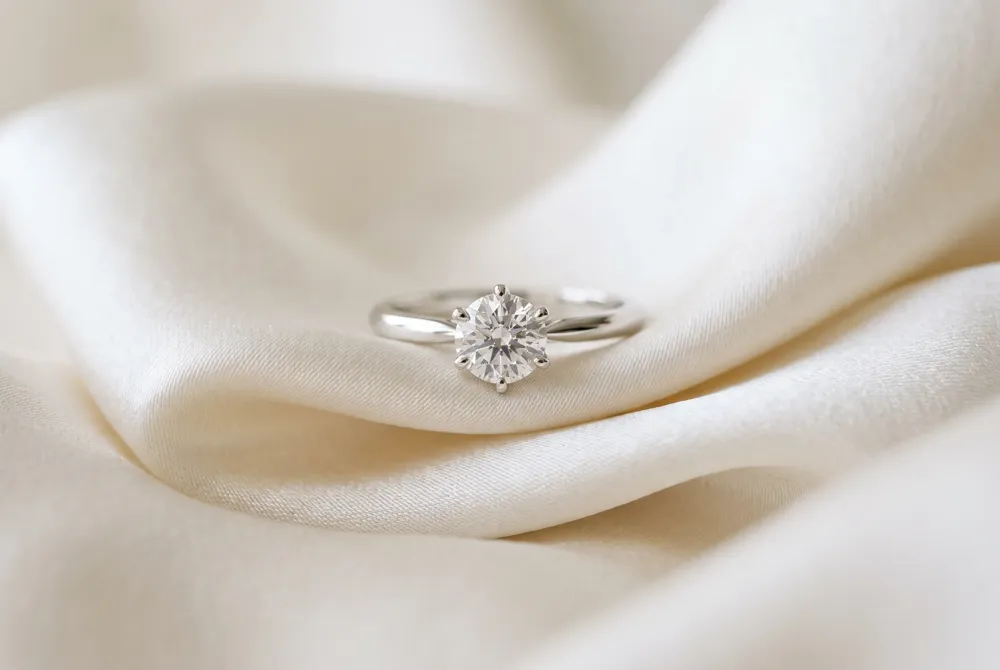
A promise ring represents a commitment between two people, but it does not necessarily mean that marriage is imminent. The promise belongs to the couple: it might mark a step toward engagement, a shared intention during a period of waiting, or another commitment that matters to the relationship.
The custom has historical ties to posy rings, which carried messages between lovers. Later, pre-engagement rings became popular as a way to express commitment outside a formal engagement. Today, the meaning is personal rather than fixed, and a conversation between partners can give the gesture its clearest significance.
For couples drawn to a distinctive silhouette, a teardrop diamond offers a graceful way to mark that sentiment without carrying one universal meaning. Its shape can simply reflect the wearer’s taste, or become part of a story the couple shares. An inscription or setting can give the ring an individual touch. Its pear-shaped ring guide explores the silhouette’s distinctive character.
If you are giving a promise ring, explain what you intend it to represent. A clear conversation helps prevent the gift from being mistaken for a marriage proposal, while a letter or thoughtful presentation can provide space to express what the promise means. Choosing the ring together can also make its design feel connected to your shared intention.
Promise Ring Styles With Personal Character
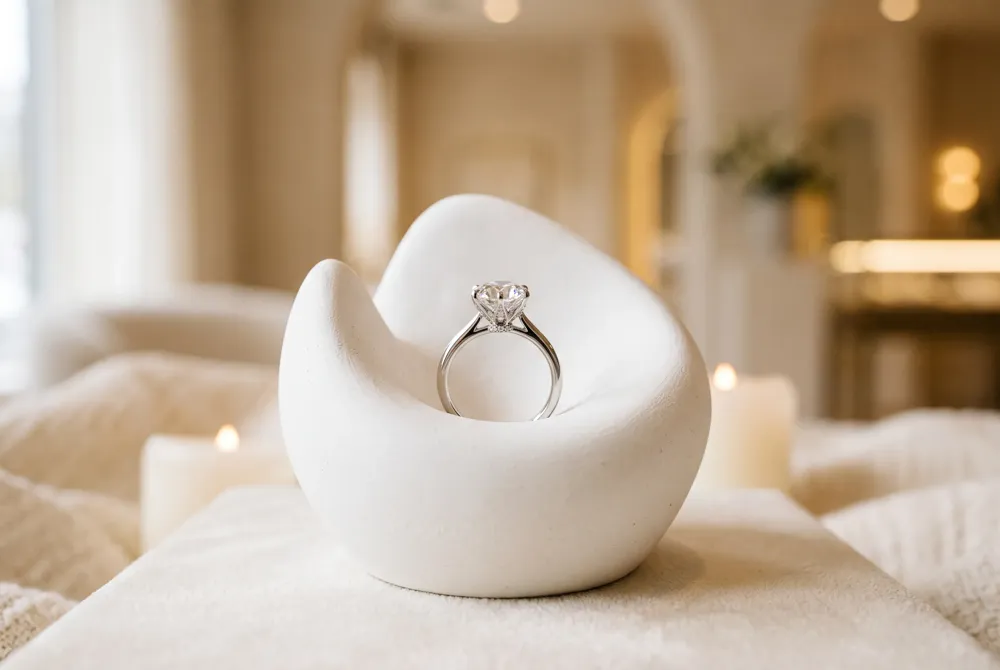
Promise rings can take many forms, from diamond or colored-gemstone designs to heart and infinity motifs, stackable bands, and a range of precious metals. For couples drawn to this distinctive silhouette, the pear shape offers a distinctive outline: one rounded end narrowing to a single point.
Also called a pendeloque, the pear is a modified brilliant cut with an elongated silhouette that brings together qualities associated with oval and marquise shapes. Its 58 facets are arranged to return light with brilliance and fire. The cut has endured across Victorian, Edwardian, Art Deco, and contemporary jewelry, giving it a history that reaches beyond any single fashion moment.
A teardrop stone can make a quiet statement on its own or take on added detail with a halo or smaller side stones. A pear-shaped ruby set horizontally, with its point facing to one side and surrounded by a diamond halo, offers one example of how gemstone color and orientation can create a distinctive design.
The setting, metal, and finish can shape the ring’s character as much as the center stone. Customers can personalize the ring to suit their preferences. An inscription such as initials, a meaningful date, or a brief phrase can connect the finished piece to the couple’s story without dictating what the promise must mean.
Choose Metals and Bands With Care
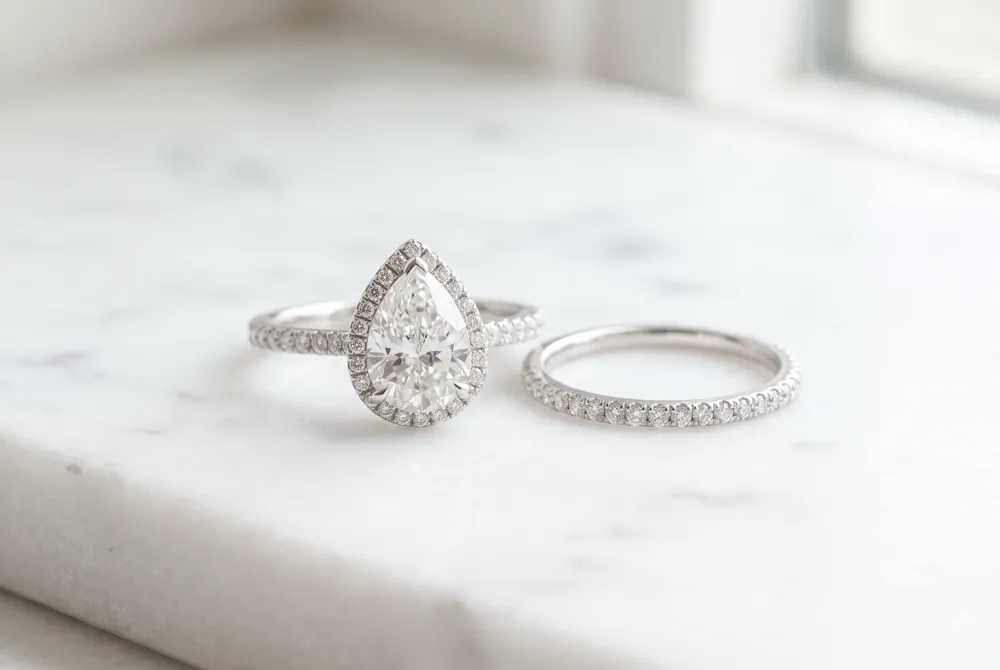
For a teardrop promise ring, the metal and band shape influence how the stone looks and how comfortably the ring pairs with others. Platinum, white gold, yellow gold, and rose gold each create a different impression, so consider both the wearer’s style and the diamond’s color.
Platinum and 18k white gold can emphasize a diamond’s bright appearance. Yellow gold brings warmth, while rose gold offers a softer contrast. These are styling possibilities, not strict rules: compare the metal with the stone and choose the combination that feels personal.
A simple band keeps attention on the pear-shaped center stone. A halo or other surrounding details add sparkle and visual interest. The band’s shape matters too: a contoured or curved band can nest around the pear’s rounded shoulder or make room for its protective V-tip prong.
A straight band may sit well beside an east-west pear, a raised cathedral setting, or a halo that leaves enough clearance. Since every setting fits differently, consider how the promise ring may be worn with other rings and whether the pieces sit comfortably together.
Couples can consider the whole composition, from the pear’s orientation and setting to a personal inscription, rather than choosing the stone and band in isolation.
When comparing options, look for a balance of appearance, comfort, and how the ring will be worn. A refined metal choice and a band that accommodates the pear’s shape can make the finished promise ring feel considered without distracting from its distinctive silhouette.
Find a Comfortable Place to Wear It
Where to wear a teardrop promise ring is a personal choice, not a rule. Many people wear a promise ring on the traditional ring finger of the left hand, while others choose another finger or a necklace chain. The right choice is the one that feels comfortable and reflects what the ring means to you.
A left-hand ring finger can be mistaken for an engagement ring, so consider whether that association suits the intention behind the gift. If clarity matters, another finger or the right hand may communicate the distinction more easily. A ring’s details can be chosen to express the meaning the couple has given it.
The ring’s location is separate from the direction of its pear-shaped stone. A wearer may point the tip toward the fingertip or toward the wrist; neither choice is mandatory. Comfort, personal style, and the way the ring sits beside other jewelry can guide the decision.
A promise ring may later move to the right hand or be worn alongside an engagement ring. If a teardrop setting does not sit comfortably with another band, wearing it on a different finger or on a chain is also an option. Avittam Diamond Jewels offers virtual try-on tools and detailed product guidance to help shoppers consider how a ring may look and feel before choosing a placement.
Interpret the Teardrop Shape Personally
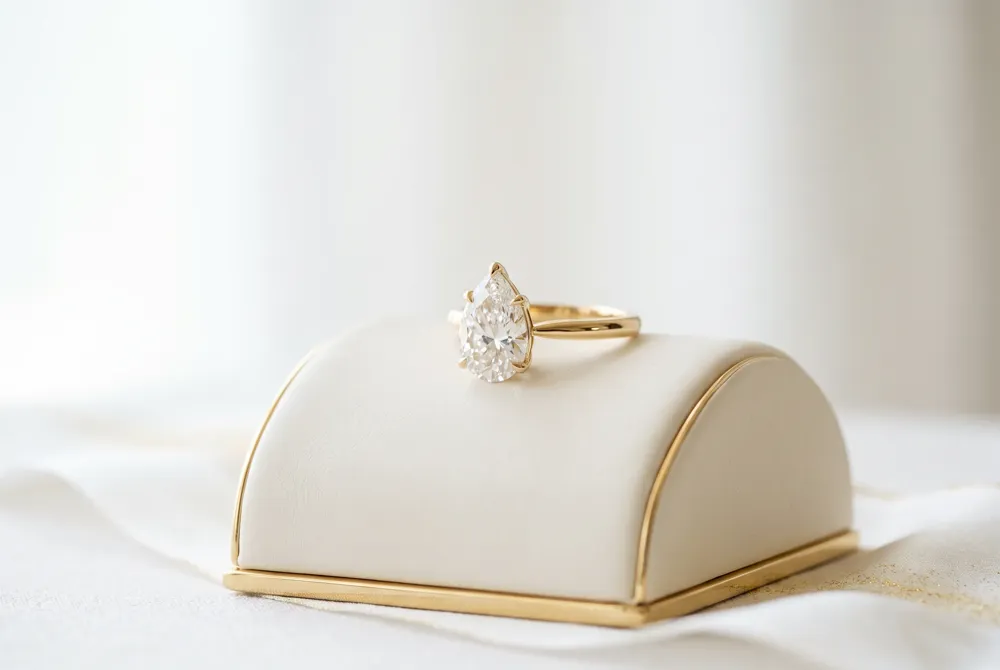
What does a teardrop-shaped ring symbolize? For a promise ring, the answer is personal. The silhouette is sometimes associated with love and the varied emotions of a relationship, but that interpretation is not universal or fixed.
Some people see the shape as a reminder of tears of joy, affection, or cherished memories. Others simply love its graceful curve and single point. Neither response needs to be explained by tradition: the meaning comes from the couple’s own story and the intention behind the ring.
An old Western superstition linked pear-shaped diamonds with tears and sorrow in marriage. It is folklore, not a reason to avoid the style; the belief has no evidence behind it. A ring’s symbolism is not determined by an old saying, and a teardrop stone can mark a joyful promise just as readily as any other shape.
A ring’s details can reflect what the promise means to the couple. Choose the silhouette because it appeals to you and feels true to your relationship, rather than feeling bound by either romantic interpretations or superstition.
Assess the Stone Before Choosing
When comparing teardrop promise rings, look beyond carat weight to how the pear-shaped stone performs in different light. Its graceful outline depends on balanced proportions, a well-defined point, and brightness across the center.
A bow-tie is a dark horizontal shadow across the stone’s center, caused by uneven light return from facets underneath. A faint, even bow-tie is common; a heavy, opaque band can distract from the diamond’s sparkle. View the stone from several angles, ideally in a 360-degree presentation, and check that its shoulders look symmetrical and its point sits on the center line. Since the Gemological Institute of America (GIA) does not assign pear-shaped diamonds an overall cut grade, visual inspection is especially useful.
Proportions offer reference points, not pass-or-fail rules. A length-to-width ratio around 1.45 to 1.75 covers a range of pear shapes; many shoppers favor about 1.50 to 1.65 for a balanced look, while the classic range extends to roughly 1.70. Depth near 58% to 64% and a table around 53% to 63% are further comparison points. The right outline depends on personal taste and finger length, so compare stones rather than choosing by numbers alone.
Inspect clarity where inclusions are easiest to notice: the belly and the area near the pointed tip, where facets converge. An eye-clean SI1 may be appealing if inclusions sit in the wings or beneath a prong, but avoid visible inclusions near the vulnerable point. VS2 to VS1 is a commonly recommended clarity range, though appearance matters more than the label alone.
Color can also look different by setting. G or H diamonds are often considered for platinum and white gold, where warmth may be more visible near the point; H or I can pair well with yellow or rose gold. These are starting points, not rules. At Avittam Diamond Jewels, curated diamond options and bespoke choices in metal let shoppers consider the stone and setting together, rather than treating color grades in isolation.
A pear-shaped diamond can appear roughly 15% to 20% larger face-up than a round brilliant of the same carat weight because more of its weight extends along its length. Many buyers find 1 to 1.5 carats visually balanced, but hand proportions and preference should guide the decision. At less than 0.75 carat, some pears may look narrower than expected, so examine the actual outline at its intended size.
Protect the Point and Choose an Orientation
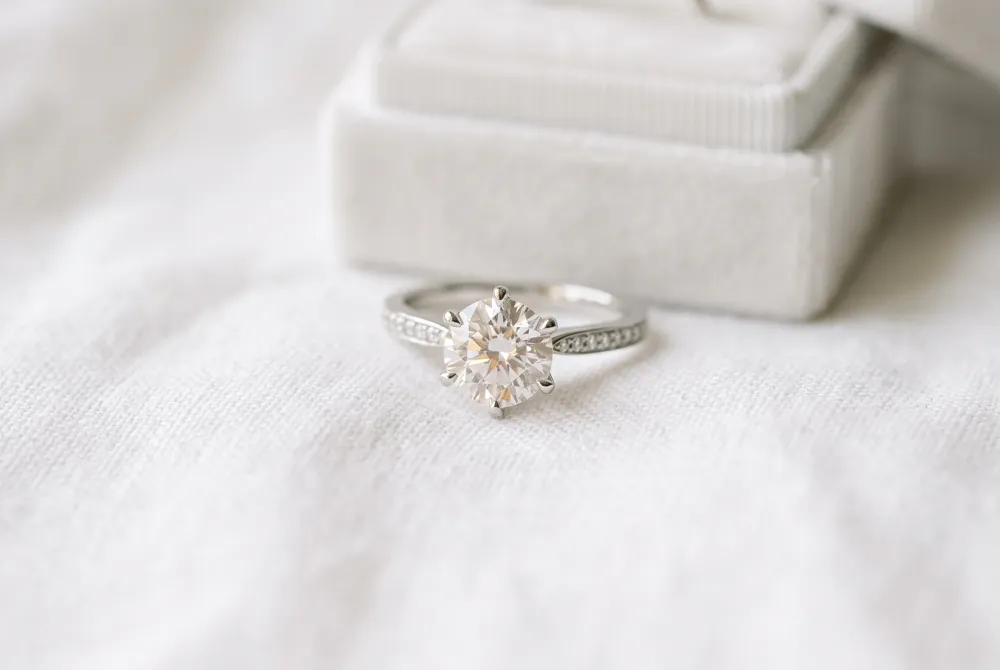
On a teardrop promise ring, the pointed tip deserves special attention. It is the most vulnerable part of a pear-shaped diamond and can chip if it strikes a hard surface, so protection matters when you expect to wear the ring often.
A V-tip prong curves around the point, while a bezel surrounds the stone with metal for the greatest coverage at the tip. A halo can add a protective border as well as extra sparkle, and some five-prong settings pair a V-tip with side prongs for added security. Consider how the point is secured alongside the overall look.
Which direction should the point face?
The traditional north-south placement points the stone toward the fingertip. Its long, directional outline can make the finger appear longer, while the single rounded end and point give a pear a more asymmetric character than an oval. A marquise also has an elongated shape, but it has two points to protect rather than one.
Some wearers turn the point toward the wrist instead, perhaps because they prefer the look or want the ring to sit more comfortably beside another band. Neither direction is inherently right or wrong. Try the ring with the other pieces you wear most often, and check that the setting does not catch or leave an awkward gap.
A horizontal alternative
An east-west setting turns the pear’s long axis across the finger for a more modern, distinctive effect. Low-profile bezel and half-bezel mounts are often used with this orientation, and some wearers like how the point sits closer to the band. Avittam Diamond Jewels offers detailed product guidance and virtual try-on tools, which can help you consider a silhouette and setting before ordering online.
Whichever orientation appeals to you, look closely at how the setting holds the stone and think about your everyday routine. A secure tip and a comfortable fit alongside other rings can make the design easier to enjoy through regular wear.
Choose the Promise That Feels Yours
A teardrop promise ring feels most considered when its details work together: the stone’s shape and sparkle, a setting that protects its point, and a metal and orientation suited to the wearer’s style. Comfort matters too, especially for a ring intended for frequent wear.
A considered design can make room for details that carry meaning beyond appearance. The brand’s collection of ethically sourced diamonds and online guidance can help shoppers compare options without relying on a showroom visit.
There is no single rule for what the teardrop shape should symbolize or which way its point should face. Talk together about the promise the ring represents, then choose a design that feels natural on the wearer’s hand and true to the relationship. A thoughtful choice is not the one that follows every convention, but the one both people recognize as theirs.