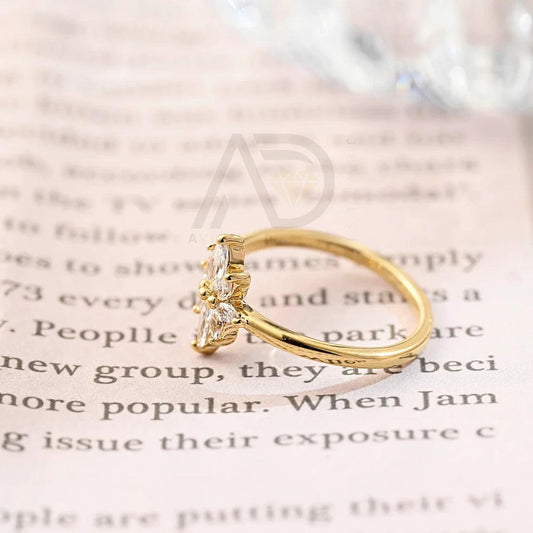

A Shape Steeped in Romance and Royalty
Among diamond cuts, the marquise stands apart. Its elongated silhouette with two tapering ends creates a dramatic, elegant outline that has captured attention for centuries. For couples seeking a marquise cut engagement ring, this shape offers both distinction and a rich backstory that few other cuts can match.
The origin of the marquise cut reaches back to 18th-century France. Legend holds that King Louis XV commissioned a jeweler to craft a diamond that would mirror the lips of his beloved mistress, the Marquise de Pompadour. The result was a stone defined by its graceful curves and sharp tips —a cut named after her title, one that has since become synonymous with royal romance and refined taste.
After rising in popularity during the Art Deco era and again in the 1970s and 1980s, the marquise is experiencing a notable revival. Driven by high-profile celebrity choices —including Selena Gomez's engagement ring— interest in elongated diamond shapes jumped 22% in early 2026 according to market data. The marquise, with its long heritage and uncommon profile, sits at the heart of this renewed fascination.
Avittam Diamond Jewels offers a curated selection of marquise rings that honor this legacy while embracing modern craftsmanship. Each piece is designed to let the shape speak for itself, whether set as a classic solitaire or paired with protective V-prongs that safeguard those delicate pointed tips.
Marquise Cut Engagement Ring Facts
- The marquise cut originated in 1745 at the court of King Louis XV of France, purportedly designed to resemble the lips of his mistress, the Marquise de Pompadour.
- The shape's pointed ends are interpreted as Cupid's arrows, reinforcing its symbolism as a love token, and it carries an 'old money' heritage worn by Jacqueline Kennedy Onassis with her 40-carat marquise diamond.
- A classic marquise is a brilliant cut with 58 facets, maximizing light return and sparkle, and its elongated shape makes the diamond appear larger than other cuts of the same carat weight.
- Search interest for elongated diamond shapes rose by 22% in early 2026, with the marquise at the heart of the surge, fueled by the quiet luxury aesthetic and celebrity endorsements like Selena Gomez's marquise ring.
- The marquise's north-south orientation creates a slimming optical illusion on the finger, making it appear longer and more slender, suiting any hand size.
- For a bold look, an east-west setting places the stone horizontally, offering a contemporary, architectural statement, while V-prongs or a bezel setting protect the delicate pointed tips from chipping.
- When selecting a marquise, prioritize cut symmetry and look for a length-to-width ratio between 1.75 and 2.15 to ensure a balanced, elegant appearance, as noted by Vogue.
- The marquise cut has seen waves of popularity, including the Art Deco era and the 1970s–1980s, affirming its timeless yet individual appeal that endures across generations.
- To preserve the diamond's brilliance, use protective settings like V-prongs or a bezel to shield the pointed ends, a recommendation from GIA and Vogue.
- Avittam Diamond Jewels offers marquise rings in classic and protective settings, blending durability with refined aesthetics to balance beauty and practical wear.
1. The Royal Origins of the Marquise Cut
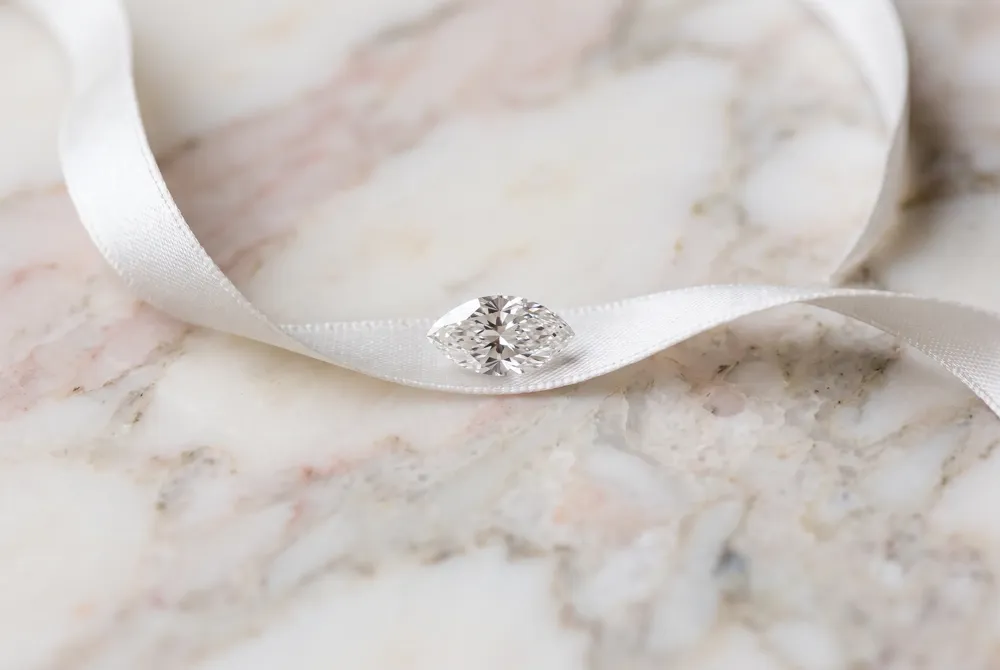
The story of the marquise cut engagement ring begins in 1745, at the court of King Louis XV of France. Legend holds that the king commissioned a jeweler to create a diamond shaped to resemble the lips of his mistress, the Marquise de Pompadour. The resulting cut, with its elongated oval and pointed ends, was named in her honor and became an immediate emblem of royal romance.
This origin story gives the marquise a unique symbolic weight. Where other cuts speak of geometry or light, the marquise speaks directly of passion and courtly love —a connection that has helped it endure across centuries. Its pointed ends have also been interpreted as Cupid's arrows, reinforcing its meaning as a love token.
Beyond romance, the marquise carries an air of "old money" heritage. Born in the French aristocracy and worn by figures like Jacqueline Kennedy Onassis (who famously received a 40-carat marquise diamond), the shape signals not just taste but a link to history. For buyers drawn to quiet luxury and timeless provenance, that lineage is part of its appeal.
2. What Defines the Marquise Diamond Shape
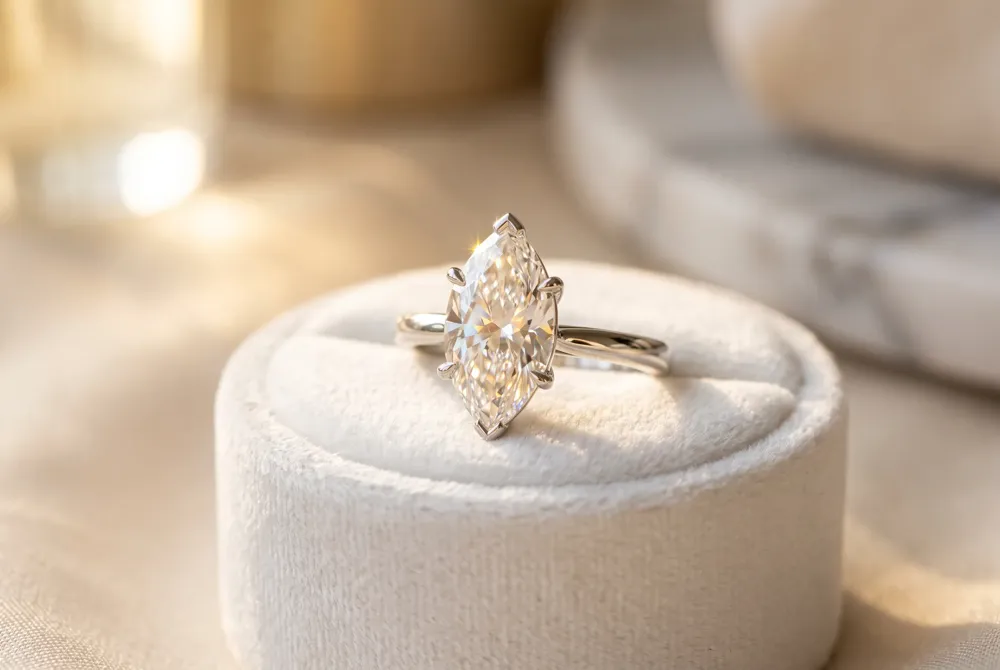
The marquise cut engagement ring is instantly recognizable by its elongated oval silhouette with two gracefully pointed ends. This distinctive outline, often compared to an eye or a little boat (the French call it navette), gives the stone a dramatic, elegant presence on the hand.
A traditional marquise diamond features 58 facets arranged in a brilliant cut, designed to maximize light return and sparkle. The elongated shape spreads the carat weight across a larger surface area, making the diamond appear significantly larger than other cuts of the same carat weight —a natural advantage for those seeking visual size without increasing budget.
Avittam Diamond Jewels offers marquise engagement rings in this classic silhouette, with each stone selected for symmetry and brilliance to ensure the iconic pointed ends are perfectly balanced and beautifully protected.
3. Why the Marquise Is Trending Again in 2025–2026
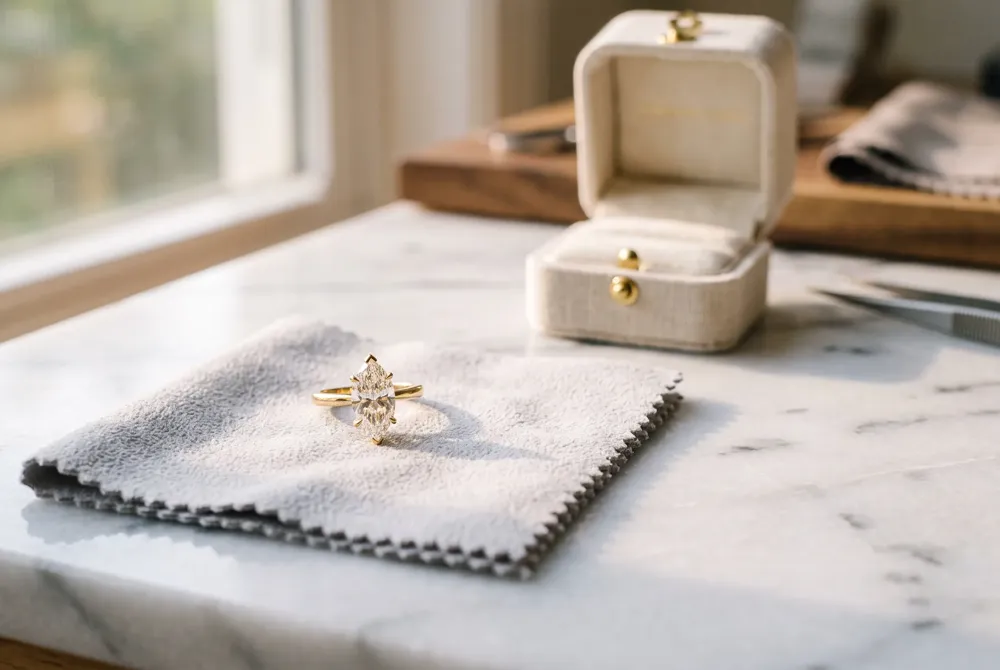
The marquise cut engagement ring is experiencing a notable resurgence, driven by a convergence of fashion trends and cultural moments. Search interest for elongated diamond shapes rose by 22% in early 2026, with the marquise at the heart of that surge.
The shape's royal heritage aligns perfectly with the quiet luxury aesthetic that defines current fashion. The marquise cut offers understated elegance without ostentation, resonating with those who value refined craftsmanship over logos.
High-profile celebrities have also played a role. Selena Gomez's marquise engagement ring reintroduced the cut to a new generation, while the shape's vintage associations appeal to couples seeking individuality. For those exploring this style, Avittam Diamond Jewels offers a carefully curated selection of marquise rings that embody this blend of historic romance and modern sensibility.
4. Styling the Marquise for a Modern Silhouette
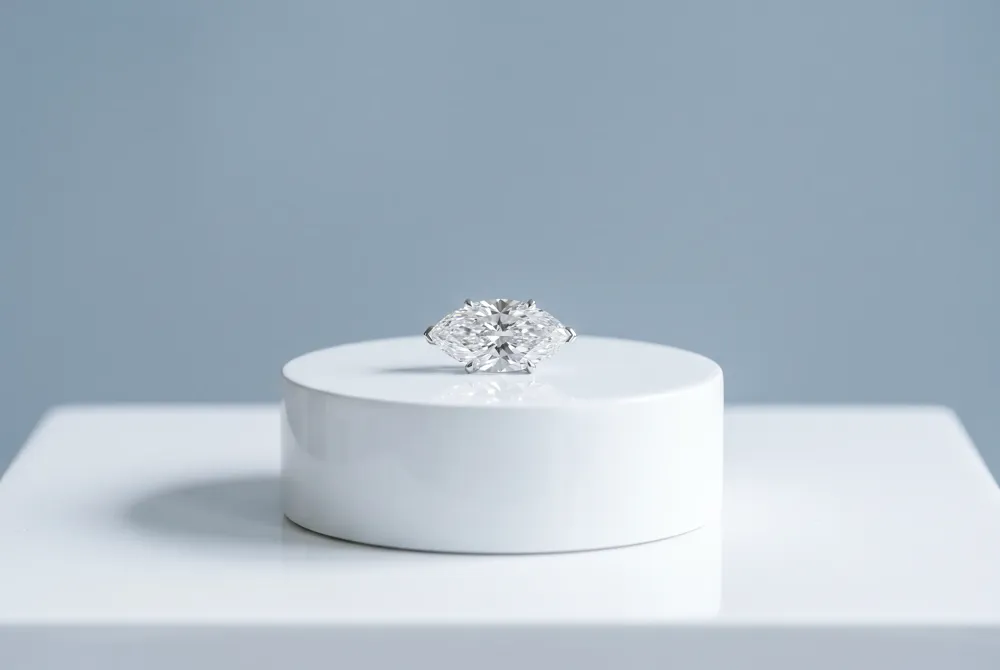
The marquise cut engagement ring's elongated silhouette offers a natural slimming effect on the finger. When a stone is set north-south, its pointed ends draw the eye vertically, making the finger appear longer and more slender. This optical illusion is one of the shape's most compelling advantages, providing a flattering profile that suits any hand size.
Choosing the right band and setting amplifies the marquise's modern appeal. A classic solitaire, often with a pavé band, keeps the focus on the diamond's clean lines. For a bolder look, an east-west setting places the stone horizontally across the band, creating an architectural statement that feels both contemporary and protective of the diamond's delicate tips.
Band Style.
Slim bands in platinum or white gold emphasize length and delicacy, while wider bands in yellow or rose gold add vintage warmth. At Avittam Diamond Jewels, curated collections offer two-tone designs that blend durability with refined aesthetics.
Setting Choice. Protective V-prongs or a bezel setting shield the pointed tips from chipping without sacrificing brilliance. A halo setting adds extra sparkle and visual presence around the center stone.
Vogue notes that many jewelers recommend prioritizing cut symmetry for marquise diamonds, as uneven proportions are immediately noticeable. When selecting your ring, examine the length-to-width ratio—a value between 1.75 and 2.15 ensures a balanced look that feels neither squashed nor overly elongated.
5. Embracing the Marquise's Legacy and Future
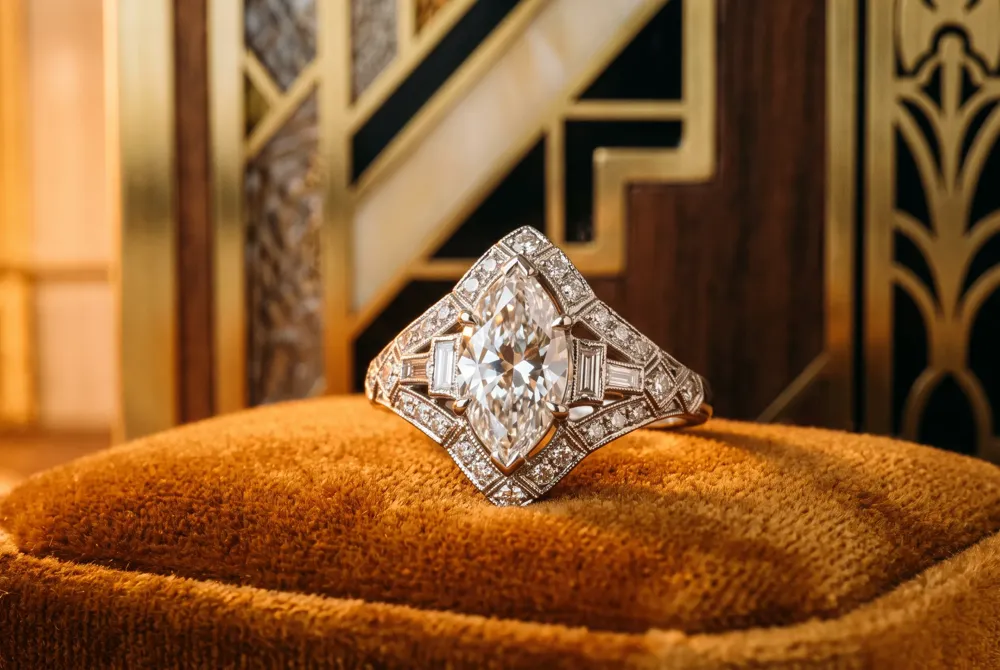
The marquise cut engagement ring has enjoyed several waves of popularity, from its embrace during the Art Deco era to a celebrated resurgence in the 1970s and 1980s. Its current revival, driven in part by high-profile appearances, proves that this is not a fleeting trend but a shape with genuine staying power. The distinctive silhouette continues to captivate each generation, marking it as a versatile and elegant choice.
A well-chosen marquise cut engagement ring can last a lifetime with proper care. The pointed ends are more delicate than other shapes, so protective settings like V-prongs or a bezel are recommended to shield the tips from everyday wear [Vogue]. This design consideration does not compromise the ring's elegance; rather, it helps preserve the diamond's brilliance for years to come.
Avittam Diamond Jewels designs its marquise rings with these practical considerations in mind, offering settings that protect the stone while keeping its elongated silhouette as the focal point. Whether you choose a classic north-south orientation or a bold east-west setting, each piece benefits from expert craftsmanship that balances beauty with durability.
While trends may shift, the marquise cut remains a timeless yet deeply individual choice — one that honors royal heritage while embracing modern sensibility. Its lasting appeal lies in its ability to feel both heirloom-worthy and contemporary.
Common Questions About the Marquise Cut
For those considering a marquise cut engagement ring, a few questions arise frequently. Below are clear answers to help guide your decision.
Origin. The marquise cut was created in 1745 for King Louis XV of France and designed to resemble the lips of his mistress, the Marquise de Pompadour.
Name. The cut is named after the Marquise de Pompadour herself, whose title inspired the shape's romantic title.
Facets. Yes, a classic marquise is a brilliant cut with 58 facets, creating exceptional sparkle and fire that draws the eye.
Suitability. Marquise diamonds are an elegant and popular choice for engagement rings. Their elongated silhouette flatters the finger and offers a distinctive look that stands apart from round or princess cuts.
A Timeless Symbol of Elegance
Few diamond shapes carry a story as rich as the marquise cut engagement ring. From its origins in the French court to its modern revival on red carpets and social feeds, this elongated silhouette has never lost its power to captivate. It is a shape that balances royal heritage with contemporary edge, offering something truly personal to those who choose it.
For couples seeking a stone that stretches the imagination as much as the finger, the marquise delivers. Its pointed ends whisper of 18th-century romance while its light performance feels thoroughly modern. With Avittam Diamond Jewels, you can explore marquise designs that honor this legacy through expert craftsmanship and personalized service.
The enduring appeal of the marquise cut lies in its refusal to be ordinary. It makes a statement without shouting, invites conversation without apology, and remembers the past while stepping confidently into the future. For those who value individuality and elegance in equal measure, there is no more fitting choice.