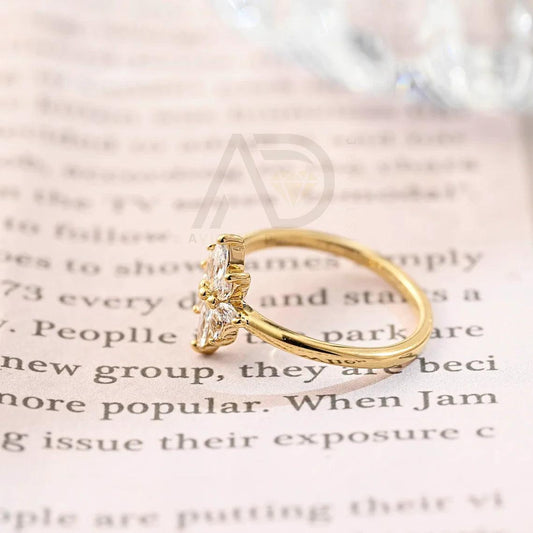

Discovering the Perfect Centerpiece for Your Engagement Ring
Selecting the centerpiece for an engagement ring is a deeply personal process, often defined by a preference for specific light performance and geometric form. When comparing moissanite vs diamond side by side, the primary distinction lies in how each stone interacts with light. Diamonds are prized for their balanced white light return and crisp brilliance, whereas moissanite is renowned for a higher refractive index that produces more intense, rainbow-colored fire. For couples who appreciate a modern, sharp aesthetic, the princess cut offers a striking square profile that maximizes this light play through its unique faceting pattern.
At Avittam Diamond Jewels, we emphasize the importance of understanding these inherent material differences. While a diamond is an allotrope of carbon with a perfect 10 on the Mohs scale of hardness, moissanite is a silicon carbide mineral that scores a 9.25, providing exceptional durability for daily wear. Because moissanite is less dense than a diamond, it often carries a larger physical presence for the same perceived weight, allowing luxury shoppers to achieve a substantial look with a princess cut center stone without the premium price associated with larger diamonds.
Discerning the nuances between these two gemstones often requires expert guidance. A subtle doubling effect can sometimes be observed in moissanite under magnification, a characteristic rarely found in diamonds. When navigating these choices, our team at Avittam Diamond Jewels assists in selecting the appropriate setting to enhance the stone's natural beauty. For the sharp, vulnerable corners of a princess cut, we recommend protective mountings such as V-prongs or bezels, ensuring that your chosen symbol of love remains both aesthetically captivating and structurally sound for a lifetime.
Essential Gemstone Comparison for Couples
- Diamonds are singly refractive, yielding a crisp, classic white light return that is highly prized for engagement rings.
- Moissanite is doubly refractive, which causes light to split and create intense, vivid rainbow fire when catching direct light.
- Diamonds maintain a perfect 10 on the Mohs scale, providing the highest possible resistance to daily surface scratching.
- Moissanite is a robust 9.25 on the Mohs scale, making it an exceptionally durable choice for consistent, everyday wear.
- The princess cut features sharp corners that benefit from protective V-prongs or full bezels to prevent accidental chipping.
- A jeweler's loupe reveals a doubling effect in moissanite facet junctions due to its unique internal light-refraction properties.
- Moissanite is roughly 15% lighter than a diamond, leading jewelers to measure the stone by millimeter size rather than weight.
- Natural diamonds are mined assets of geological rarity, whereas moissanite is a lab-grown silicon carbide, offering an accessible price point.
- Diamond color is strictly graded on a D-Z scale, while premium moissanite is generally categorized by colorless D-E-F standards.
- Avittam Diamond Jewels provides expert guidance to help couples balance their desire for traditional prestige against modern aesthetic preferences.
1. Evaluating the Rainbow Fire and White Light Return
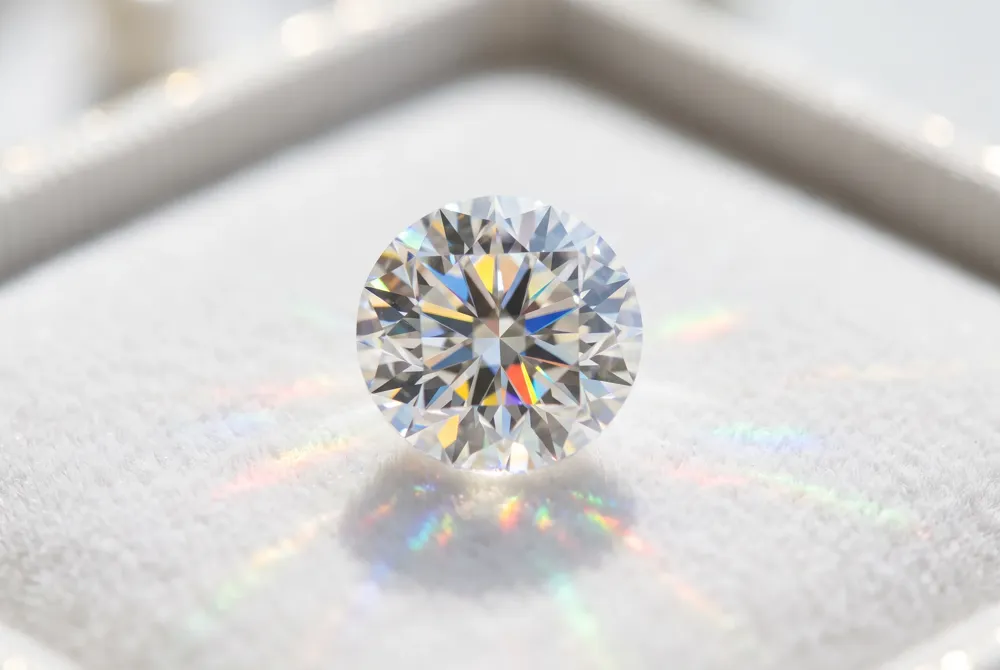
When choosing an engagement ring, the way a stone interacts with light is often the most defining visual characteristic. For couples comparing a moissanite vs diamond side by side, the primary distinction lies in their optical properties, which become particularly apparent in a princess cut. While diamonds are prized for their balanced white light return and crisp sparkle, moissanite is celebrated for a different kind of brilliance characterized by intense, colorful flashes.
This difference in appearance is rooted in their respective light-bending properties. Moissanite possesses a higher ability to bend light than diamond, which causes it to break light into rainbow colors more aggressively. This creates the signature rainbow flashes that many find captivating in direct light. In contrast, a high-quality diamond from Avittam Diamond Jewels offers a more restrained, classic sparkle that prioritizes white light brilliance over colorful dispersion. This elegant, steady glow is often the preference for those seeking a traditional look.
The geometry of a princess cut further influences how these stones perform. Because the princess cut features sharp corners and a large top facet, it acts as a dramatic stage for light play. In a moissanite, this cut can emphasize its inherent fire, resulting in a more vivid sparkle compared to the diamond's structured light return. For those who prioritize the traditional icy, crisp white appearance found in premium bridal sets at avittamdiamondjewels.com, a diamond typically offers the most refined balance.
It is worth noting that environmental lighting significantly alters the perceived beauty of both stones. Under natural daylight, the rainbow flashes of moissanite are at their most vibrant, whereas diamonds maintain their characteristic brilliance across a wider variety of lighting conditions. For shoppers curating their own bespoke piece at Avittam Diamond Jewels, understanding this interplay between cut and light performance ensures that the final selection aligns perfectly with one's personal aesthetic preferences.
2. Understanding the Durability and Hardness Profiles
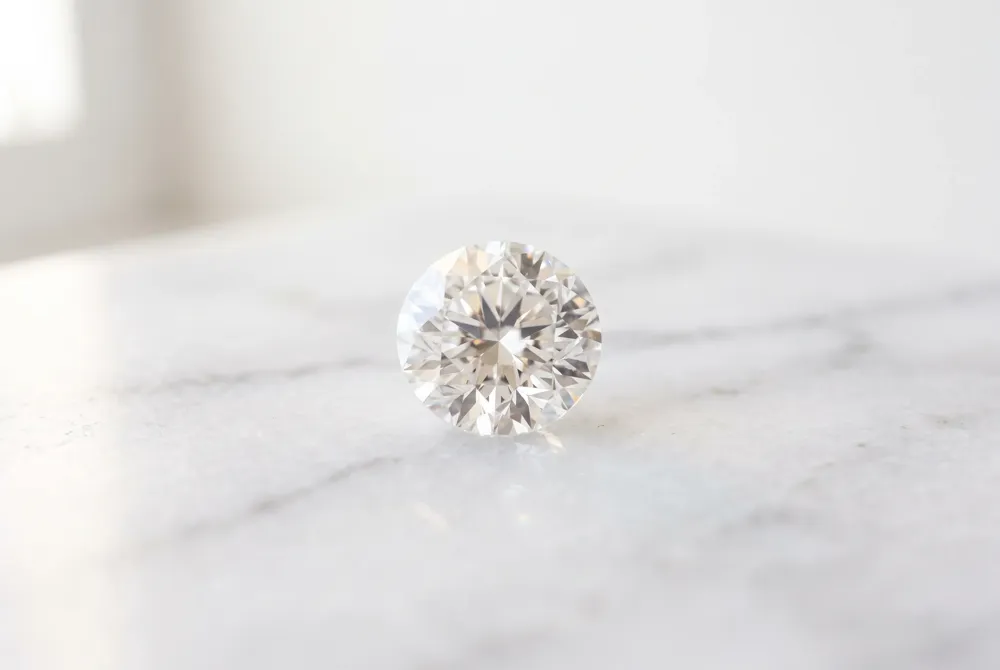
When evaluating potential centerpieces, the longevity of your choice is paramount for everyday engagement ring wear. Comparing a moissanite vs diamond side by side reveals distinct characteristics in how these materials withstand the rigors of daily activity. Diamonds are celebrated as the hardest known material on Earth, holding a perfect 10 on the Mohs scale of hardness. This extreme density provides an unparalleled resistance to surface scratching over decades of consistent use.
Moissanite holds a formidable 9.25 on the Mohs scale, placing it firmly among the most durable substances available for fine jewelry. While slightly softer than a diamond, this rating ensures that moissanite remains highly resistant to the daily wear and tear that can mar less durable gemstones. Because of this inherent strength, it serves as a reliable and practical choice for those who desire a stone that maintains its structural integrity through the years.
The geometry of a princess cut introduces unique considerations, as the sharp corners are inherently more vulnerable to impact than the rounded edges of other cuts. Whether you select a diamond or a lab-grown alternative from avittamdiamondjewels.com, protecting these fragile points is essential. At avittamdiamondjewels.com, we often recommend custom settings such as protective V-prongs or full bezels to shield these corners against accidental strikes, ensuring your chosen centerpiece remains as pristine as the day it was set.
| Gemstone | Mohs Hardness | Durability Context |
|---|---|---|
| Diamond | 10 | Unmatched surface scratch resistance. |
| Moissanite | 9.25 | Excellent for daily wear and tear. |
3. Analyzing the Doubling Effect Under Magnification
When performing a professional moissanite vs diamond side by side analysis, the optical behavior of the gemstones provides the most definitive evidence of their different chemical structures. While a diamond is singly refractive, meaning light passes through the stone as a single ray, moissanite is doubly refractive. This property of silicon carbide causes light to split into two separate rays as it travels through the crystal lattice.
Because of this refractive nature, observant couples may notice a doubling effect when viewing a stone under magnification. A trained gemologist typically uses a jeweler's loupe to inspect the internal facet junctions. In a doubly refractive gemstone like moissanite, these junctions can appear slightly blurred or mirrored, as the light rays diverge. This visual characteristic is entirely absent in diamonds, which produce a singular, crisp image of each facet.
Understanding these optical nuances is particularly important when selecting a geometric shape such as a princess cut. Due to the way light behaves at the sharp corners of a square stone, the doubling effect may become more or less apparent depending on the viewing angle and the quality of the cut. At Avittam Diamond Jewels, our experts carefully curate our inventory to ensure that each stone provides optimal clarity and light performance for our clients.
- Singly refractive gemstones like diamonds transmit light as a single ray, creating a clear and sharp internal reflection.
- Doubly refractive gemstones, specifically moissanite, divide light rays, which may cause facet junctions to look doubled when magnified.
- A standard jeweler's loupe is the primary tool used by professionals to confirm stone identity by searching for this specific visual duplication at the facet edges.
4. Comparing Pricing and Value for Your Budget
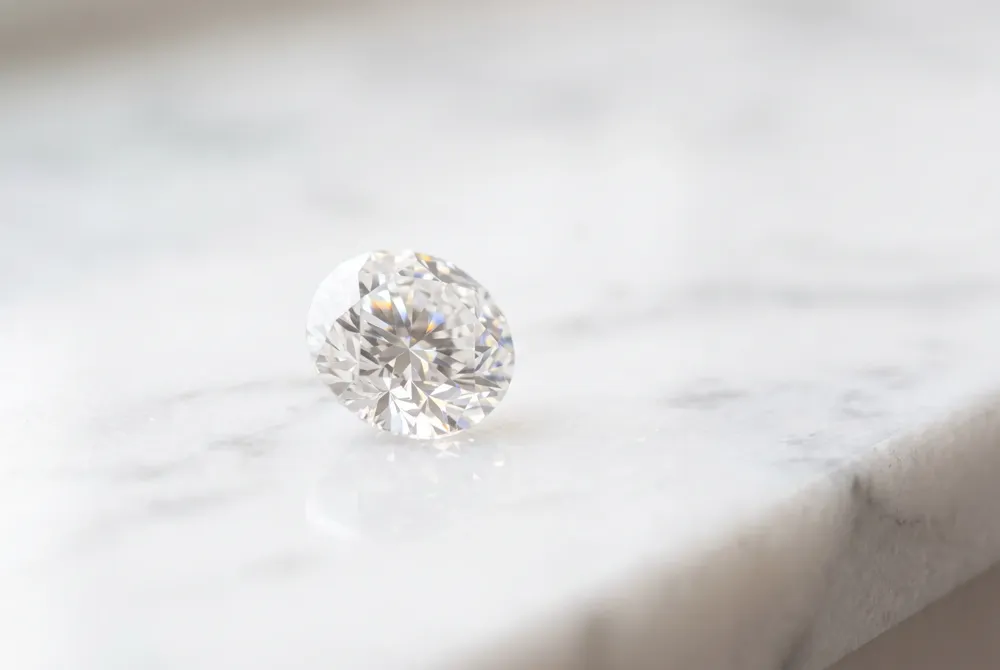
When approaching a moissanite vs diamond side by side financial comparison, the most immediate distinction lies in the origin of each stone. Traditional natural diamonds are valued through the lens of extreme rarity, with prices reflecting the intensive labor of extraction and the geological age required for their formation. In contrast, moissanite is created within controlled laboratory environments, allowing for a significantly more accessible price point that does not compromise on visual impact.
For couples designing a princess cut engagement ring, this price difference is often transformative for the overall design. Because moissanite is typically priced by physical millimeter size rather than the strict 4Cs system applied to diamonds, shoppers at avittamdiamondjewels.com often find they can secure a larger, cleaner center stone without expanding their total budget. This efficiency allows for the integration of higher-quality precious metals or additional accent stones that might otherwise remain out of reach.
Value perception often balances the allure of a traditional investment against the desire for immediate aesthetic perfection. Natural diamonds have historically been treated as assets that maintain long-term resale value due to market demand and limited supply. However, many modern couples prioritize the beauty and durability of their ring as a symbol of their commitment rather than a financial instrument. At avittamdiamondjewels.com, we help clients navigate these priorities, ensuring that every center stone chosen provides the fire and brilliance desired for a lifetime of daily wear.
| Feature | Natural Diamond | Moissanite |
|---|---|---|
| Origin | Mined/Carbon | Lab-grown |
| Value Driver | Rarity/4Cs | Size/Color |
| Investment | Asset-based | Aesthetic-based |
5. Considering the Impact of Gemstone Color Grades
When performing a moissanite vs diamond side by side comparison, understanding how each stone manages color is essential for achieving the desired aesthetic. Natural diamonds are assessed using a standardized international scale ranging from D, which is entirely colorless, to Z, which exhibits noticeable warmth. This rigorous grading system allows for precise selection, ensuring that your center stone meets specific expectations for clarity and icy-white brilliance.
In contrast, moissanite is not held to the same D-Z diamond grading criteria. Premium options are often categorized as colorless, corresponding to the D-E-F range to offer a crisp, neutral appearance. At Avittam Diamond Jewels, we recognize that while these stones are engineered for exceptional clarity, certain environmental lighting conditions can occasionally reveal a faint yellow or green undertone in specific moissanite cuts. This nuance is part of the stone’s unique optical character.
For couples focusing on a princess cut, color precision is particularly significant due to the stone's sharp corners and flat table. Because these geometric facets direct light in specific ways, the interaction between the stone's inherent color grade and the chosen metal setting becomes a stylistic choice. Placing a colorless center stone in a platinum setting creates a cool, contemporary look, while choosing a yellow or rose gold band can harmonize beautifully with the subtle warmth sometimes found in near-colorless variants.
| Feature | Diamond Grading | Moissanite Approach |
|---|---|---|
| Standard | D-Z International Scale | D-E-F (Colorless) Ranges |
| Consistency | Highly Regulated | Manufacturer-Specific |
| Appearance | Predictable Icy White | Potential Subtle Hues |
6. Assessing Size Perception and Physical Density
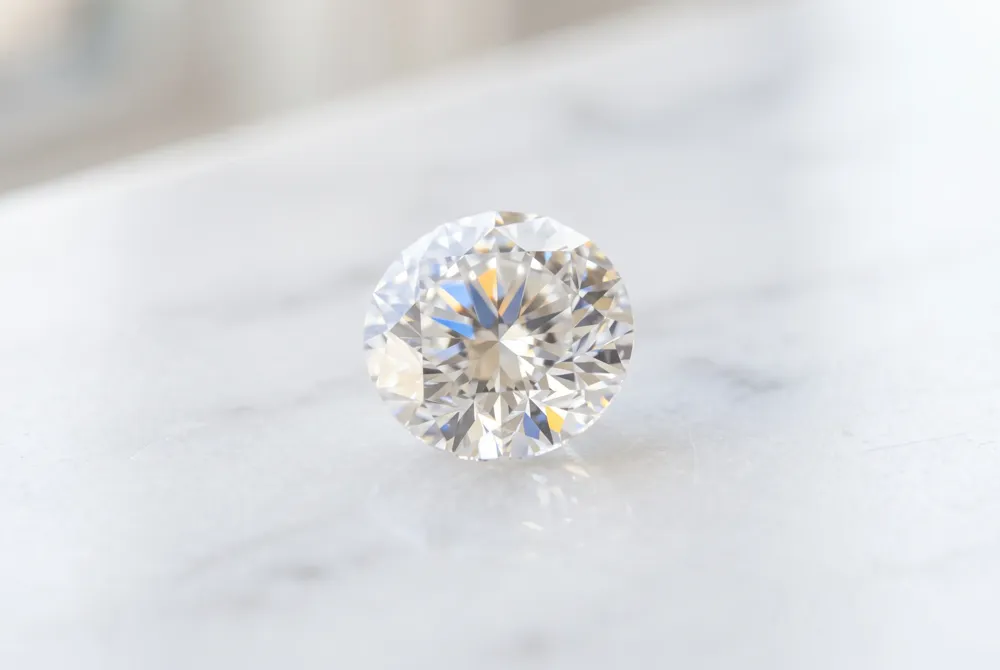
When performing a moissanite vs diamond side by side comparison, understanding how material composition influences size perception is essential for those selecting a center stone. While diamonds are composed of pure carbon, moissanite is a distinct gemstone with a different chemical composition. This difference results in a lighter feel; moissanite is approximately 15% lighter than a diamond of identical dimensions. Consequently, a jeweler measures moissanite primarily by its millimeter size rather than the traditional carat weight) system used for diamonds.
Because of this lower density, a one-carat equivalent moissanite will appear physically larger than a one-carat diamond. This is a vital consideration for couples designing a princess cut engagement ring, as the square dimensions of this geometric shape interact differently with these weight properties. At Avittam Diamond Jewels, we provide detailed guides that clarify how these volume differences manifest in finished settings. Choosing a specific stone size by millimeter measurements ensures the gemstone fits perfectly within your chosen band, whether you prefer a minimalist look or a substantial, expansive display.
Beyond weight, the physical footprint of the stone significantly impacts the visual impact of your ring. The princess cut, known for its sharp corners and modern silhouette, benefits from moissanite's exceptional brilliance, which can make the stone appear even larger and more vibrant in direct light. If you are comparing a moissanite vs diamond side by side, you may find that the moissanite fills more space in a princess cut setting at a lower cost, allowing for a more dramatic profile without needing to scale up to an expensive, higher-carat diamond.
Avittam Diamond Jewels helps you navigate these nuances by aligning your aesthetic preferences with the structural realities of each gemstone. By focusing on millimeter dimensions rather than carat weight, you can achieve the ideal balance of size and brilliance. Whether you select the enduring, icy clarity of a diamond or the intense rainbow fire of moissanite, understanding these subtle differences ensures your finished engagement ring is both beautiful and structurally sound.
7. Choosing the Best Setting for Princess Cut Edges
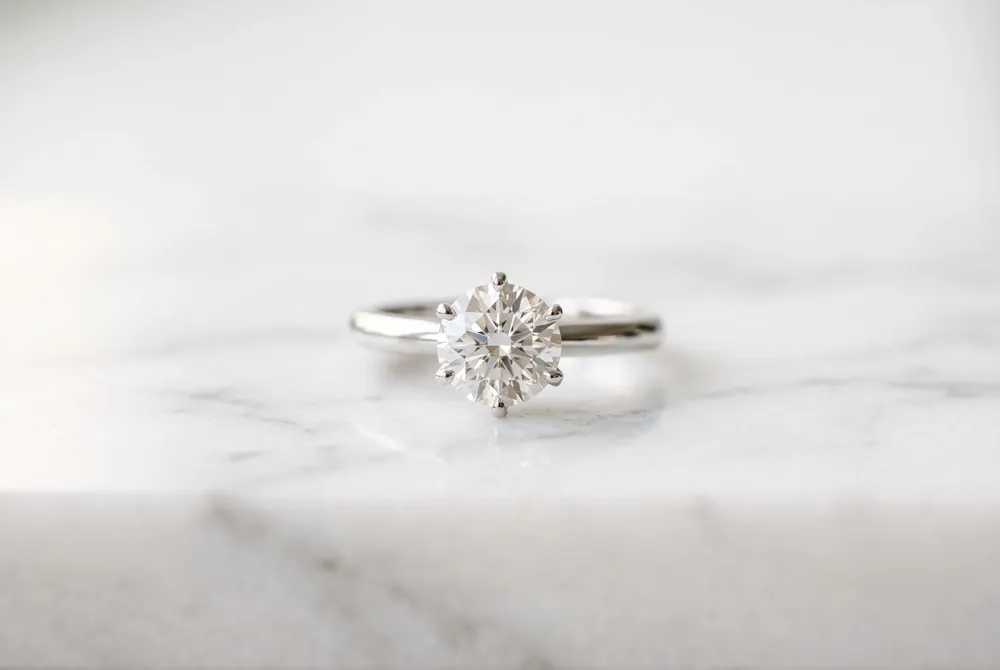
The sharp corners of a princess cut are the defining feature of its modern, square silhouette. While these points provide a striking, geometric aesthetic, they are physically vulnerable to snagging or chipping during daily activities. Whether you are conducting a moissanite vs diamond side by side comparison or finalizing your preferred center stone, the integrity of these delicate edges remains a primary consideration for long-term wear.
Enhancing Durability Through Protective Settings
To safeguard your gemstone, the choice of setting is paramount. V-prongs are a preferred solution for this cut, as they feature a protective metal shield that wraps securely around each sharp corner, preventing potential impact damage while maintaining the stone's visible profile. Alternatively, a bezel setting offers the highest level of security by encircling the entire perimeter of the gem with a custom-fitted metal rim. This design not only protects the corners entirely but also provides a sleek, seamless look that is often chosen for bespoke engagement rings.
At Avittam Diamond Jewels, we specialize in crafting custom bridal sets that balance this architectural beauty with practical, everyday resilience. Our team ensures that every setting is meticulously engineered to provide structural support without obscuring the brilliance or fire of the centerpiece. By integrating these protective elements, we ensure your ring maintains its pristine condition throughout years of wear.
- V-prongs: These specialized prongs provide a reinforced metal cap over each of the four corners, offering essential protection against accidental impacts.
- Bezel settings: A sophisticated option that wraps a protective metal band around the entire stone, eliminating exposed edges entirely.
- Custom engineering: Professional designers at avittamdiamondjewels.com prioritize structural integrity, ensuring that custom settings are calibrated to the specific dimensions of your chosen gem.
| Setting Style | Protection Level | Aesthetic Impact |
|---|---|---|
| Standard Prongs | Minimal | Maximizes stone visibility |
| V-Prongs | High | Protects vulnerable points |
| Bezel Set | Maximum | Sleek and modern finish |
Defining Fundamental Material Differences
When approaching a moissanite vs diamond side by side comparison, understanding the core chemical composition is essential. A diamond consists of pure carbon, crystallized deep within the earth over billions of years, whereas moissanite is composed of silicon carbide. This molecular distinction dictates how each stone captures and returns light, creating unique visual profiles for those choosing a centerpiece for an engagement ring.
The higher refractive index of silicon carbide results in greater fire, or the dispersion of light into spectral rainbow flashes. In contrast, the carbon structure of a diamond typically produces a more balanced, crisp white light return that many associate with traditional elegance. While both materials are exceptionally hard, scoring a 9.25 and 10 on the Mohs scale respectively, these physical properties influence the stone’s long-term brilliance and durability.
For couples considering a princess cut, these material differences become highly visible. The sharp, clean geometry of a princess cut diamond vs moissanite side by side reveals how differently each stone handles light. At Avittam Diamond Jewels, we provide detailed guidance to help you navigate these choices, ensuring your selected stone matches your vision for a lifetime of daily wear.
Carbon composition. Diamonds are formed from pure carbon, offering an unparalleled standard for hardness and traditional white light scintillation.Silicon carbide. Moissanite is a silicon carbide mineral that provides intense rainbow fire and exceptional durability at a more accessible price point.Optical performance. The unique chemistry of each stone determines its refractive index, with moissanite showing a higher capacity for dispersion than a diamond.
Expert Identification of Gemstones
When considering a moissanite vs diamond side by side, the visual differences are subtle and often require a trained eye to detect. Both stones possess a captivating brilliance, yet their optical personalities differ. Moissanite tends to produce more vibrant, rainbow-colored flashes of light, while a diamond is known for its crisp, white-light brilliance. This effect is especially noticeable in larger stones or specific cuts, such as the elegant princess cut, where light performance is a centerpiece of the design.
At avittamdiamondjewels.com, we prioritize transparency in every design, ensuring that our clients understand the distinct personality of their chosen gemstone. While the visual differences can be subtle, they are often where the character of a piece truly resides. For those seeking a precise confirmation, a professional gemologist can provide a definitive identification using specialized tools.
These unique characteristics offer a wonderful opportunity to choose the aesthetic that best aligns with your personal style and vision for your future together. Whether you favor the icy, balanced fire of a diamond or the intense, multicolored scintillation of moissanite, our team provides the guidance necessary to curate a piece that feels uniquely yours.
Clarifying Lab-Grown Categories
When approaching a moissanite vs diamond side by side comparison, one of the most common misconceptions involves the origins of these stones. It is important to distinguish between synthetic versions of existing minerals and entirely separate chemical compositions.
Is moissanite considered a lab-grown diamond, or is it an entirely different category? Moissanite is not a lab-grown diamond; it is an entirely distinct mineral categorized as silicon carbide. While lab-grown diamonds are chemically, physically, and optically identical to natural, earth-mined diamonds, moissanite possesses its own unique crystalline structure and durability profile. When considering a moissanite vs diamond side by side, you will notice significant differences in brilliance and fire, as these stones interact with light quite differently. Whether you are envisioning a timeless solitaire or a brilliant princess cut engagement ring, it is essential to understand that moissanite is a diamond stimulant rather than a laboratory-created version of the diamond itself. At Avittam Diamond Jewels, we guide our clients toward choices that align with their desires for authenticity and the enduring legacy of a genuine diamond.
The distinction lies in the atomic arrangement. Lab-grown diamonds are composed of pure carbon, just like their mined counterparts, maintaining the same 10 on the Mohs scale of hardness. In contrast, moissanite is a silicon carbide mineral that, while durable at 9.25 on the Mohs scale, refracts light with a higher dispersion, creating more pronounced flashes of rainbow color. Selecting the right center stone for a princess cut setting involves balancing these unique optical properties against your personal preference for white brilliance or colorful scintillation.
Authenticity remains a central theme for many couples selecting a lasting symbol of their commitment. While moissanite offers an ethical and lab-created path, those seeking the traditional prestige associated with fine jewelry often opt for the chemical purity of a diamond. At Avittam Diamond Jewels, we prioritize clarity and transparency, ensuring that every engagement ring reflects the unique vision of the wearer, whether they choose the distinct fire of moissanite or the classic performance of a diamond.
Optimizing Aesthetic Appearance Through Cut Selection
When evaluating a moissanite vs diamond side by side, the choice of cut plays a significant role in how closely the stone emulates a traditional diamond aesthetic. Brilliant cuts, particularly the round brilliant, are highly effective at diffusing light to minimize the intense, rainbow-like flashes that are characteristic of moissanite. In contrast, step-cut shapes such as the emerald cut offer a more understated elegance that aligns well with the refined clarity sought by luxury shoppers.
While a princess cut provides a striking, modern profile, it is essential to remember that moissanite's higher refractive index will always produce a distinct level of fire compared to a diamond. At avittamdiamondjewels.com, our expert curation helps you navigate these optical nuances. Ultimately, selecting a cut that emphasizes brilliance over dispersion will best help you achieve the timeless, classic look often associated with premium diamond jewelry.
Balancing Brilliance and Dispersion
The relationship between brilliance and dispersion is the foundation of a gem's visual personality. Diamonds typically offer a balanced white light return that appeals to those who prioritize a clean, crisp sparkle. In contrast, moissanite possesses a higher refractive index and dispersion rate, leading to a more dramatic display of spectral colors, or fire.
For couples who desire the fire of a moissanite but prefer a more subtle presentation, shape selection is your most effective tool. Choosing a square or step-cut silhouette can help ground the light performance, providing a sophisticated look without overwhelming the eye. By understanding these material characteristics, you can make an informed choice that matches your personal style, whether you gravitate toward the classic brilliance of a diamond or the intense, multicolored scintillation of high-quality moissanite.
Value Proposition and Long-Term Investment
When assessing the enduring worth of an engagement ring, the distinction between natural diamonds and lab-grown alternatives often centers on the concept of investment. Diamonds function as rare, natural assets that historically retain a portion of their market value, making them a traditional choice for those who view their jewelry as a long-term financial holding. In contrast, moissanite is a lab-created gemstone produced through modern manufacturing, which results in a significantly more accessible price point that does not mirror the same resale potential as a mined diamond.
For the modern couple, a moissanite vs diamond side by side comparison reveals that the primary value of moissanite lies in its exceptional durability and striking optical performance rather than its status as a financial investment. At avittamdiamondjewels.com, we find that many clients prioritize the ability to select a larger, more elaborate setting or a sophisticated princess cut stone without the constraints of traditional diamond pricing. By choosing a high-quality, lab-grown stone, brides can enjoy a luminous, scratch-resistant centerpiece that stands up to the rigors of daily wear while maintaining a timeless elegance.
Ultimately, the choice depends on your personal philosophy regarding jewelry acquisition. If your objective is to procure a rare, naturally occurring asset, a diamond remains the industry standard. However, if your focus is on the aesthetic impact and practical brilliance of your ring, moissanite offers a cost-effective alternative that excels in both daily resilience and visual allure. Choosing your centerpiece is a deeply personal decision, and our team is dedicated to helping you weigh these factors to ensure your symbol of love aligns perfectly with your vision and budget.
Selecting Your Timeless Symbol of Love
The final decision between these two exceptional centerpieces rests on balancing technical specifications with personal aesthetic values. While both stones offer remarkable durability for daily wear, the choice often hinges on whether you prefer the crisp, balanced brilliance of a diamond or the intense, rainbow-hued fire characteristic of moissanite. Analyzing your preferences through a moissanite vs diamond side by side comparison helps clarify which light performance aligns with your vision for a lifelong symbol of commitment.
Choosing the right geometry, such as the sharp, modern lines of a princess cut, further highlights the unique ways each material interacts with light. At Avittam Diamond Jewels, we recognize that your engagement ring is an extension of your personal style, not just a commodity. Our curators prioritize high-quality, ethically sourced center stones, ensuring every piece reflects the timeless elegance and modern craftsmanship our couples deserve.
We invite you to explore our bespoke ordering service at avittamdiamondjewels.com, where you can customize your design, metal, and engraving to create a ring as unique as your relationship. Whether you are captivated by the classic allure of a diamond or the vibrant brilliance of high-grade moissanite, our team provides the guidance necessary to make an informed, confident selection. By moving beyond general comparisons to focus on your individual requirements, we help ensure your finished ring stands as a perfectly tailored testament to your journey together.