
Why the Princess Cut Deserves Your Attention
The princess cut diamond is the second most popular diamond shape in the world, admired for its clean geometric silhouette and exceptional brilliance. Its square outline with sharp, uncropped corners offers a modern alternative to the classic round brilliant, while its facet pattern produces a dense, icy sparkle that feels both sophisticated and distinctive.
Technically classified as a square modified brilliant, the princess cut was developed in the late twentieth century to maximize the fire of a round cut within a square form. Because its pyramidal shape allows cutters to retain more of the rough diamond crystal, princess cut diamonds typically cost 25 to 35 percent less per carat than a round brilliant of comparable quality, making them a compelling choice for discerning buyers who value both beauty and value.
This guide will walk you through the factors that define an exceptional princess cut diamond, from proportions and color to the settings that protect its delicate corners. At Avittam Diamond Jewels, our team of expert gemologists evaluates each princess cut diamond against rigorous light performance standards, ensuring that every stone we recommend delivers the brilliance and durability you expect from a fine engagement ring.
What Is a Princess Cut Diamond?
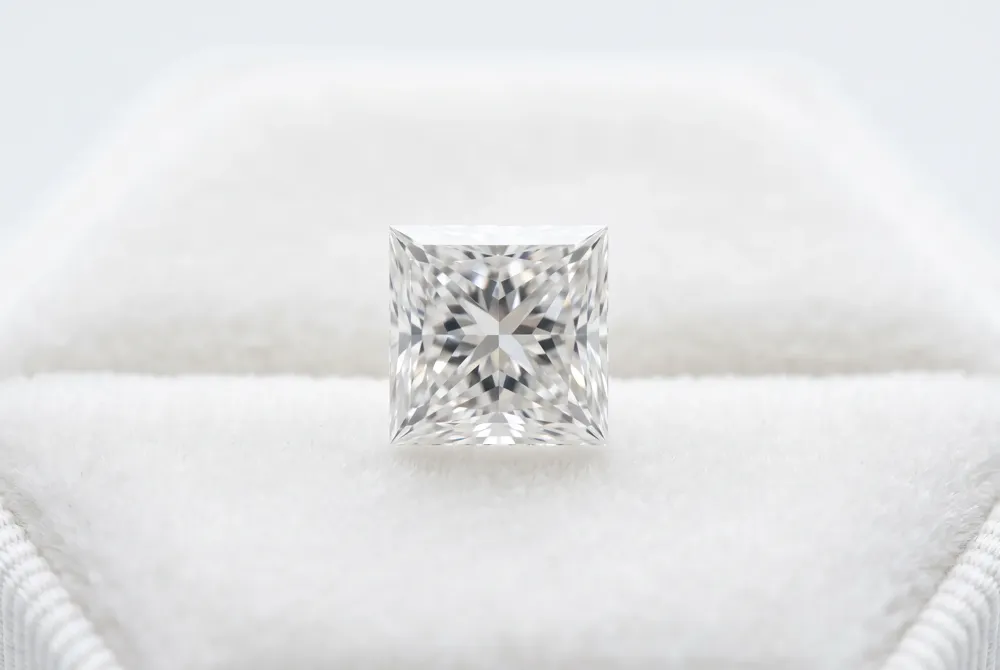
A princess cut diamond is a square or rectangular gemstone cut, technically known as a "square modified brilliant." Developed in 1980, it has become the most popular fancy diamond shape and the second most sought-after choice for engagement rings worldwide. Unlike a traditional round brilliant, the princess cut combines a clean, geometric outline with an inverted-pyramid profile, producing an X-shaped facet pattern that delivers exceptional brilliance and a distinct, cross-shaped reflection of light.
Its sophisticated silhouette offers a contemporary yet timeless appeal that complements both modern and vintage-inspired designs. The princess cut is also prized for its value: because the shape preserves more of the rough diamond crystal during cutting, it typically costs 25 to 35 percent less than a round brilliant of comparable carat weight, color, and clarity.
Protecting the Pointed Corners
The princess cut's four sharp, 90-degree corners are its most distinctive feature — and also its most vulnerable. These points are prone to chipping if left exposed, making careful setting essential. At Avittam Diamond Jewels, each princess cut diamond is paired with a setting that cradles every corner, using V-shaped prongs or a sleek bezel to ensure the stone remains secure and brilliant for a lifetime of wear.
The Four Cs: A Foundation for Your Choice
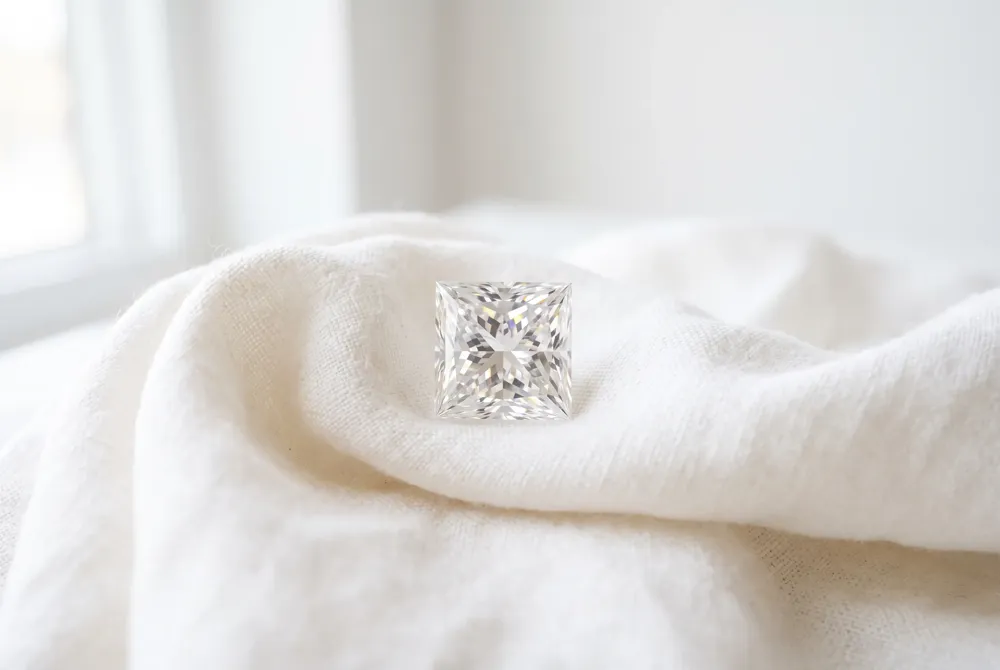
Before you fall in love with a diamond’s sparkle, it helps to understand the universal language jewelers use to describe its quality. The four Cs—cut, color, clarity, and carat weight—form a precise framework that lets you compare stones objectively and choose one that matches both your eye and your budget. For a princess cut diamond, one of these four stands above the rest.
Cut is the single most important factor in a diamond's beauty. It governs how well the stone's facets interact with light, producing brilliance (white sparkle), fire (rainbow flashes), and scintillation (the play of light as the diamond moves). For a princess cut, cut takes on added weight because the Gemological Institute of America (GIA) does not assign a formal cut grade to fancy shapes—only to round brilliants. This means you cannot rely on a single score and must instead assess the stone's proportions and light performance directly. A well-cut princess cut with proper depth and table percentages can rival a round diamond's fire, while a poorly cut stone, even one with high color and clarity, will look dark and lifeless.
The good news is that the princess cut's chevron-shaped facet pattern and brilliant-style cutting are exceptionally forgiving of minor imperfections. Its complex arrangement of facets scatters light in so many directions that small inclusions and subtle color warmth often vanish from view. This allows you to make smart trade-offs without sacrificing visual purity: you can comfortably choose a near-colorless grade like G or H and an eye-clean clarity grade such as VS2 or SI1 and still enjoy a diamond that appears bright, white, and flawless to the naked eye. The savings from those lower grades can be redirected toward a larger carat weight or a more intricate setting.
Carat weight, of course, affects a diamond's size, but a princess cut's deep pavilion means it can face up slightly smaller than a round diamond of the same carat weight. Rather than chasing a number on a scale, focus on the stone's actual millimeter dimensions and how the four Cs work together in harmony. At Avittam Diamond Jewels, we guide you through this interplay, helping you prioritize cut above all else so that every princess cut we offer delivers the brilliance and fire you deserve.
Princess Cut vs. Other Diamond Shapes
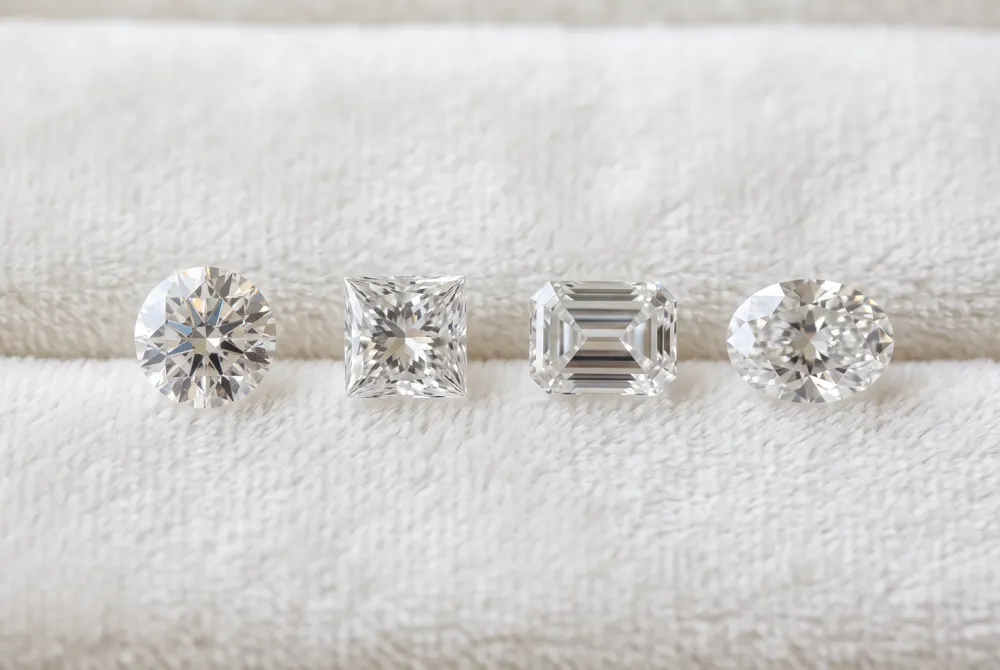
Choosing a diamond shape is one of the most personal decisions you will make when designing an engagement ring. The princess cut stands apart with its clean, geometric silhouette, but how does it compare to other popular shapes like the round brilliant, cushion, and emerald cuts? Each offers a distinct personality, and understanding their differences will help you find the one that truly reflects your style.Brilliance. The round brilliant cut is engineered for maximum sparkle, with over 56 facets designed to return light with extraordinary fire. The princess cut, with its square modified brilliant faceting and unique chevron pattern, delivers a dazzling yet distinct 'swift flash of glitter' rather than the soft glow of a round. It comes closer to the brilliance of a round than any other fancy shape, though an ideal round still holds the edge in overall light performance.Silhouette. The princess cut offers a sharp, contemporary square or slightly rectangular outline with pointed 90-degree corners, creating a bold architectural look. The cushion cut features rounded, pillow-like edges and softer corners for a vintage feel. The emerald cut, with its stepped facets and open table, emphasizes clarity and depth over sparkle, producing a hall-of-mirrors effect rather than intense scintillation.Value. Princess cut diamonds are generally 25 to 35 percent less expensive per carat than round brilliants of comparable quality, because the pyramidal shape allows cutters to retain more of the rough crystal during polishing. This makes the princess cut one of the most cost-effective options among major diamond shapes, offering excellent value without sacrificing brilliance.
Another advantage of the princess cut is its perceived size. Because the eye naturally measures a diamond from corner to corner, a well-proportioned square princess cut can appear larger than a round brilliant of the same carat weight, especially when set in a four-prong or halo setting that emphasizes its diagonal reach.
The choice ultimately comes down to personal aesthetic. Those who love the timeless, unmatched sparkle of a round brilliant will find comfort in tradition, while shoppers drawn to a sleek, modern sophistication and a more contemporary silhouette often discover that the princess cut is the perfect expression of their refined taste. For those who value a blend of brilliance, value, and clean lines, the princess cut offers a compelling and enduring option.
How to Choose a Princess Cut Diamond
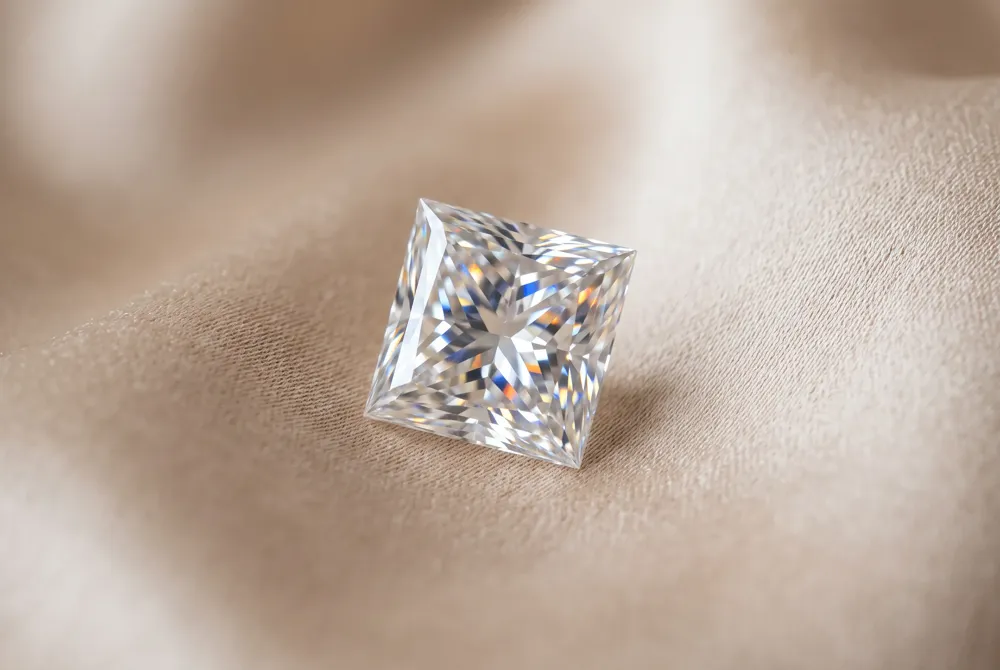
When selecting a princess cut diamond, the first rule is to prioritize cut quality over carat weight. A well-proportioned stone of modest size will deliver far more brilliance and fire than a larger diamond with poor cut proportions.
Look for depth between 71% and 75%, a table between 68% and 72%, and a moderately high crown height. These proportions allow the diamond to capture and reflect light with maximum efficiency, producing the lively sparkle that makes the princess cut so admired.
Unlike round brilliant diamonds, the Gemological Institute of America (GIA) does not assign a cut grade for princess cuts on its grading reports. This means you cannot rely on a simple letter or number to judge light performance. Instead, use the proportion guidelines above as your primary filter, and consider diamonds that carry an AGS cut grade (the American Gem Society does issue cut grades for princess shapes) for added assurance of superior light return.
Even the most favorable proportions cannot guarantee a beautiful stone, which is why visual inspection is essential. Request high-resolution videos or, ideally, ASET (Angular Spectrum Evaluation Tool) images from the seller. These tools reveal the diamond's chevron facet pattern, contrast distribution, and overall liveliness. A princess cut with an even, well-balanced pattern of light and dark areas will sparkle edge to edge, while one with uneven contrast or dark corners should be avoided. At Avittam Diamond Jewels, we guide you through every proportion and video check so your selection is grounded in real data, not just a certificate.
Ideal Depth and Table Percentages
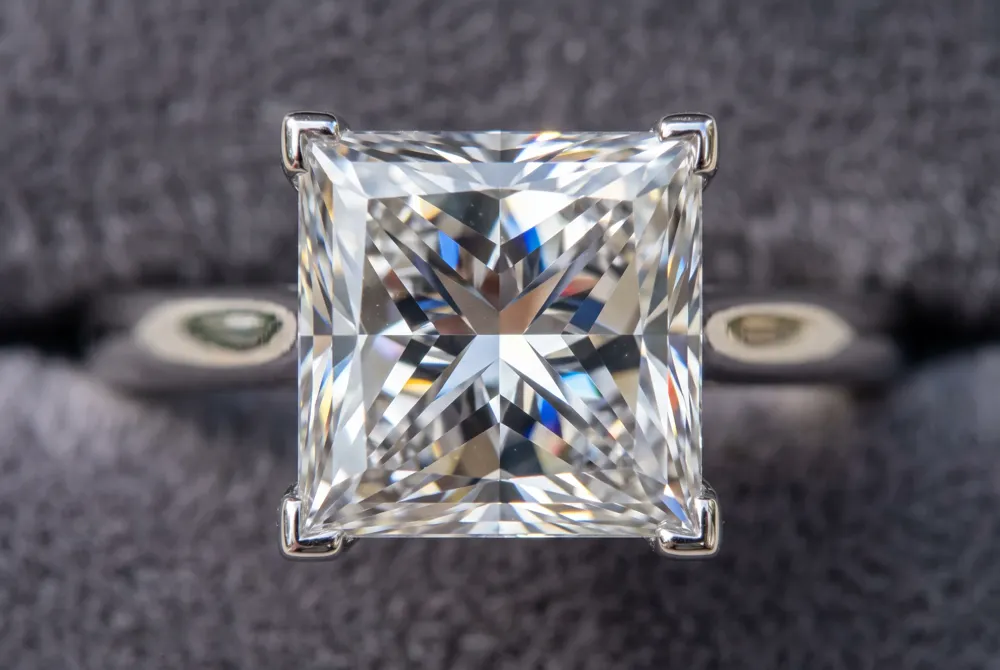
A princess cut diamond's ability to return light depends on two interlocking proportions: depth and table. The depth percentage measures the height of the stone from girdle to culet relative to its width, while the table percentage describes the size of the flat top facet. In a well-cut princess, these two numbers work together to produce the characteristic brilliance that makes this shape so admired.
For optimal light performance, look for a depth between 71% and 75% and a table between 68% and 72%. A depth in this range allows the pavilion's inverted pyramid to reflect light back through the crown, while a table that is not too large — ideally below 72% — preserves the fire and colored light dispersion that distinguish a lively stone.
A simple rule of thumb is that the table percentage should never exceed the depth percentage. Diamonds with a table near or above 80%, often cut to retain weight rather than beauty, can appear dark and lifeless. Equally important is the crown height — the vertical distance from the girdle to the table. A moderately high crown, generally between 9.5% and 14%, supports a fuller crown that bends incoming light into the sparkle you see. Stones with a very shallow crown may look flat, losing the fire that makes a princess cut so dazzling.
There is a catch: GIA certification reports do not include crown height for princess cuts. This means a paper-only evaluation can miss a critical driver of beauty. For buyers who want verified light performance, a report from the American Gem Society (AGS), which grades princess cut quality directly, offers greater assurance. Better still, inspect the diamond personally through high-resolution video or ASET imaging — tools that reveal whether the stone delivers edge-to-edge brilliance or hides dark patches that a certificate won't mention.
At Avittam Diamond Jewels, we guide each buyer through these technical details, pairing our expertise with visual verification tools so you never have to guess how a diamond will perform. A princess cut with the right depth and table, verified by eye as well as by certificate, will reward you with a lifetime of light.
Best Color and Clarity for a Princess Cut
The princess cut diamond's intricate facet pattern and high brilliance offer a distinct advantage: they are remarkably forgiving of both color tint and minor inclusions. This means you can often select a stone with a slightly lower color or clarity grade without compromising the visible sparkle and beauty.
Choosing the Right Color Grade
For a bright, icy white appearance in white gold or platinum settings, a color grade of G or H is an excellent choice. These near-colorless grades deliver a crisp, clean look that rivals higher D–F grades at a significantly more accessible price point. According to the GIA, the princess cut's brilliant faceting can mask subtle body color, allowing a G–H stone to appear visually white in most lighting conditions.
If you prefer the warmth of yellow or rose gold, you can comfortably go as low as J or even K color. The warm metal setting helps neutralize any slight yellow tint in the diamond, creating a harmonious, romantic look while saving further on cost. At Avittam Diamond Jewels, our curated collection includes princess cuts in these thoughtful color ranges, ensuring you find a stone that matches both your aesthetic and your budget.
Selecting the Best Clarity Grade
The princess cut's chevron-shaped pavilion facets are highly effective at hiding natural inclusions, so you can prioritize
an
eye-clean
stone over a flawless one. The sweet spot for most buyers is VS2 or SI1 clarity. At these grades, any inclusions are typically small, white, or located near the girdle—areas easily masked by the faceting pattern or hidden by prongs in the setting. A well-cut SI1 princess cut can appear perfectly clean to the naked eye, offering outstanding value.
Always examine high-resolution videos or ASET images to verify eye-cleanliness before purchasing. A single dark inclusion near the center or at one of the vulnerable corners could affect both appearance and durability. Our specialists at Avittam Diamond Jewels personally inspect each diamond in our inventory to ensure it meets our standards for brilliance and visual purity.
How Brilliance Creates Flexibility
Because the princess cut reflects light so efficiently, its sparkle can override subtle color and clarity characteristics. A G–H color, VS2–SI1 clarity princess cut will face up with the same dazzling brilliance as a much higher-graded stone, yet it costs a fraction of the price. This flexibility allows you to invest more in cut quality and carat weight—the two factors that most directly influence a diamond's beauty and presence on the finger.
| Color Grade | Clarity Grade | Best Setting Metal | Why It Works |
|---|---|---|---|
| G–H | VS2–SI1 | White gold / Platinum | Best value for icy white; faceting masks color and minor inclusions. |
| J–K | VS2–SI1 | Yellow / Rose gold | Warm metal neutralizes tint; saves cost without visible compromise. |
| D–F | VS1–VVS2 | Any (premium investment) | For buyers who want the highest color and clarity; budget is less of a factor. |
Ideal Settings for a Princess Cut Diamond
The setting you choose for your diamond does more than hold it in place — it defines the ring's personality and safeguards its most delicate features. A princess cut's four sharp corners are the most vulnerable part of the stone, so every well-designed setting prioritizes protecting them without hiding the diamond's clean geometry.
Four-Prong and V-Prong Settings
The classic choice for a princess cut is a four-prong setting with a V-shaped prong, or claw, at each corner. This design cradles each pointed corner securely while leaving the rest of the diamond exposed to maximum light, preserving the stone's brilliance and fire. A solitaire setting in platinum or white gold keeps the focus squarely on the diamond, making it an enduring favourite for those who appreciate understated elegance.
Bezel, Halo, and Pavé Options
For maximum protection and a sleek, modern silhouette, a bezel setting wraps a thin rim of metal around the entire diamond, shielding every corner from daily knocks. This style suits an active lifestyle and gives the ring a sculptural, contemporary look that appeals to minimalist tastes. For those who want added sparkle and visual size, a halo setting surrounds the princess cut with a circle of smaller diamonds, making the centre stone appear larger while also protecting its corners. A pavé band — a continuous line of small diamonds along the shank — complements the geometric precision of the princess cut and creates a seamless, glittering line from the centre stone to the finger.
Why Corner Protection Matters
Every princess cut diamond has four 90-degree corners that are more prone to chipping than the rounded edges of a round brilliant. An exposed corner can chip with a single accidental bump, turning a prized gem into a costly repair. That is why a setting that covers all four points — whether through V-prongs, a bezel, or a halo frame — is not a stylistic afterthought but an essential safeguard for long-term wear.
Four-Prong / V-Prong. V-shaped claws at each corner secure the stone while maximizing light entry, ideal for classic solitaires.Bezel. A metal rim wraps the entire diamond for the highest level of corner protection and a modern, streamlined look.Halo. A circle of smaller diamonds frames the centre stone, adding visual size and reinforcing corner security.Pavé / Channel. A continuous row of small diamonds along the band enhances brilliance and echoes the princess cut's geometric lines.
Princess Cut Diamond Size Chart in Millimeters
Understanding how a princess cut diamond translates from carat weight to actual dimensions helps you picture the stone on your finger. A well-cut princess cut typically measures around 5.5 mm square at 1.00 carat, while a 2.00 carat diamond reaches roughly 7 mm. The chart below offers a practical reference.
| Carat Weight | Face-Up Size (mm) | Approximate Diagonal (mm) |
|---|---|---|
| 0.39 ct | 4.0 × 4.0 | 5.7 |
| 0.75 ct | 5.0 × 5.0 | 7.1 |
| 1.00 ct | 5.5 × 5.5 | 7.8 |
| 1.50 ct | 6.4 × 6.4 | 9.0 |
| 2.00 ct | 7.0 × 7.0 | 9.9 |
| 3.00 ct | 8.0 × 8.0 | 11.3 |
Keep in mind that two diamonds of the same carat weight can face up differently. A princess cut with a deeper pavilion may appear slightly smaller from above, whereas a stone with a more balanced depth (typically 64–75% according to GIA guidelines) reveals its full width. At Avittam Diamond Jewels, our gem experts evaluate every diamond’s proportions to ensure the face-up size matches your expectations, not just the carat weight.
One distinctive advantage of the princess cut is its diagonal length. The corner-to-corner measurement of a well-proportioned stone can be about 15% greater than the width of a round diamond of the same carat weight, creating an illusion of larger size. This unique geometry makes the princess cut a smart choice for buyers seeking maximum visual impact without moving up in carat weight. When you browse our curated collection, we provide detailed millimeter measurements and high-resolution images so you can see exactly how each diamond will appear on your hand.
Price Range and Value of Princess Cut Diamonds
A natural 1-carat princess cut diamond generally costs between $2,500 and $8,000, depending on color and clarity. For a 2-carat stone, prices often begin around $8,000 and can exceed $20,000 for top-tier specifications. These ranges make the princess cut one of the most accessible shapes for buyers seeking a high-carat look without the premium associated with round brilliants.
The lower price per carat is not a reflection of quality — it stems from cutting efficiency. A rough diamond crystal shaped like an octahedron can be split in half to yield two princess cuts with minimal waste. This process, according to the International Gem Society, makes princess cuts 25 to 35 percent cheaper per carat than round diamonds of the same size and grade. At Avittam Diamond Jewels, we curate princess cuts that channel those savings directly into superior cut precision and responsible sourcing, not into inflated margins.
For those seeking additional value, a well-cut G-color, VS2-clarity princess diamond offers nearly identical face-up brilliance to a D-color, IF-grade stone — at roughly half the price. Let the princess cut's forgiving facet pattern work in your favor while keeping clarity eye-clean.
Lab-Grown Princess Cut Diamonds
Lab-grown princess cut diamonds cost 60 to 80 percent less than natural equivalents while possessing identical physical and optical properties. The same $3,000 budget that buys a natural 0.75-carat stone can secure a 1.5-carat lab-grown princess with higher clarity and no visible difference in sparkle. At Avittam Diamond Jewels, each lab-grown diamond arrives with a certification from an accredited gemological laboratory, giving you complete confidence in its provenance and quality.
Are Princess Cut Diamonds Outdated?
The princess cut remains the second most popular diamond shape worldwide, beloved for its sharp, geometric elegance and exceptional brilliance. While trends have shifted toward oval and emerald cuts in recent years, the princess cut's structured beauty feels both modern and confident, never dependent on fleeting fashion.
Advances in setting design have given this classic shape a fresh, contemporary appeal. Hidden halos, bezel mounts, and angled prongs protect the pointed corners while creating a look that is entirely current. For discerning shoppers who value precision and enduring style, the princess cut remains a stunning and versatile choice that evolves gracefully with the times.
At Avittam Diamond Jewels, we celebrate this iconic shape within our curated collections, ensuring it remains a hallmark of refined taste and lasting elegance. Whether paired with a simple solitaire or a modern halo setting, a well‑cut princess cut diamond offers edge‑to‑edge sparkle that never feels outdated.
What Is the Classiest Cut of Diamond?
The round brilliant cut is widely regarded as the classiest diamond shape, celebrated for its timeless elegance and unmatched brilliance. Its refined, symmetrical design has made it the most popular choice for engagement rings, consistently symbolizing enduring sophistication. This classic cut appeals to discerning shoppers who value versatility and a polished look that complements any setting.
For those drawn to a clean, modern aesthetic, the princess cut offers a sophisticated geometric alternative. Its square silhouette and brilliant chevron facets produce a sparkling, contemporary elegance that rivals the round cut's light performance. Where a round brilliant suggests tradition, the princess cut signals confident, forward-thinking taste — a refined choice for wearers who want their ring to reflect a distinct personal style.
Both cuts represent the pinnacle of refined taste; the choice ultimately comes down to personal style. A round brilliant is the safe, timeless symbol of romance, while a princess cut is the consciously modern statement. At Avittam Diamond Jewels, we guide you through both paths, helping you find the cut that feels like your own definition of class.
Expert Tips for a Flawless Purchase
When you're ready to buy, start with a vendor you can trust. Look for retailers who provide HD videos, ASET images, and GIA or AGS certification. AGS is the only major lab that assigns a formal cut grade to princess cut diamonds, so an AGS Ideal (0) report offers the strongest assurance of light performance. Certificates alone, however, cannot reveal a stone's true beauty — visual inspection is essential.
Be alert to weight-retention tricks. Some diamonds are cut with oversized tables (near or above 80%) or excessively thick girdles to preserve carat weight at the expense of brilliance. Such stones appear smaller face-up and produce less fire. A princess cut with a table between 63% and 72% and a depth between 69% and 76% delivers the best balance of sparkle and proportion. For a clean square silhouette, aim for a length-to-width ratio of 1.00 to 1.05, and always confirm that polish and symmetry are rated Excellent to Very Good.
Never buy a princess cut diamond sight unseen, even with a report in hand. Inclusion plots miss critical details like dark corners or poor contrast that only video reveals. High-resolution images from multiple angles let you verify the stone is eye-clean and free of flaws near the vulnerable corners. Many trusted vendors offer virtual try-on tools and expert consultations to help you see exactly what you are getting. Avittam Diamond Jewels provides personalized guidance and a seamless online shopping experience, ensuring your diamond meets both your aesthetic and quality standards.
Your Perfect Princess Cut Awaits
The princess cut delivers an extraordinary blend of modern geometry, brilliant sparkle, and outstanding value. With its square silhouette and vivid light performance, it stands as one of the most captivating choices for an engagement ring.
Avittam Diamond Jewels brings this vision to life with a curated selection of ethically sourced, expertly cut diamonds. Each stone is chosen for its proportions and light return, then set in a handcrafted ring designed to protect the delicate corners while showcasing the diamond’s full beauty.
Whether you are drawn to a classic solitaire or a halo design, the journey begins with a single conversation. Explore the collection and speak with one of our diamond experts to find the princess cut that is truly yours.