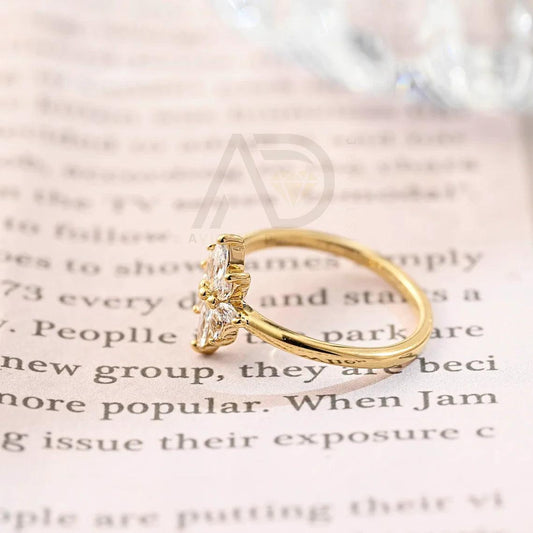

Two Icons of Diamond Fashion
The marquise cut is one of the most recognizable diamond silhouettes, often called the football, boat, or navette shape because of its elongated, pointed outline. Its history traces back to the 18th century, when a Parisian jeweler is said to have designed a diamond to echo the smile of the Marquise de Pompadour, a favorite of King Louis XV. That origin story is part of why the shape still carries an air of courtly romance and drama today. The marquise has never really left the spotlight, and it remains a fixture in bridal jewelry precisely because it reads as both vintage and forward-looking at once.
What separates the marquise from other cuts is the way it plays with perception. Because the stone is longer and narrower than a round or princess, it can make the finger appear slender and elongated when set horizontally. That optical quality is one of the reasons so many buyers choose it for a marquise engagement ring. The shape also tends to face up large for its carat weight, meaning a one-carat marquise often looks bigger than a one-carat round of the same weight. For shoppers watching their budget, that can translate into more perceived size without paying for a heavier stone.
Yet the marquise is not for everyone, and it helps to know its quirks before committing. The pointed ends are the most vulnerable part of the stone, making chip resistance a genuine consideration for daily wear. Because those tips are exposed, jewelers usually recommend a protective setting with a V-shaped prong or a bezel to shield them. The shape also shows a dark bow-tie effect across the center more readily than some other cuts, a shadow that appears when light does not reflect evenly through the pavilion. That is a matter of cut quality, not a flaw in the shape itself, so proper proportions matter a great deal.
For those who love the idea of an elongated, elegant stone but want a softer, less pointed alternative, the cushion and oval cuts are worth a look. The cushion cut, in particular, offers rounded corners and a classic, pillow like profile that contrasts with the marquise's sharp ends. A guide to diamond cut sparkle explains how the marquise’s bright, scintillating facets compare with the larger facets of a princess or the softer fire of an oval. The choice often comes down to whether you prefer a silhouette that feels assertive and dramatic or one that is gentler and more rounded.
Shopping for a marquise also requires attention to the length-to-width ratio. A longer, narrower marquise, around 2.0 to 2.1 to one, looks more classic and graceful, while a shorter, wider ratio, closer to 1.8 to one, gives a chunkier, more modern look. The right ratio depends on the hand shape, the setting style, and personal taste. Many jewelers offer marquise cut wedding rings with detailed size guides, so you can try a few ratios virtually before deciding. That kind of guidance is especially helpful because the shape can look dramatic and polarizing, and some buyers either love it instantly or feel it overwhelms a smaller hand. The key is trying it on, either in person or with a virtual try-on, to see how it feels on the finger.
Ultimately, the marquise is a statement shape, one that demands attention and rewards confidence. It suits those who want a ring that sparks conversation and stands apart from the typical round or princess seen on many hands. If its elongated elegance speaks to you, a well-cut marquise can be a stunning centerpiece, but being honest about the setting and maintenance needs is just as important as loving the look. With the right prong protection and a thoughtful design, the marquise can be a lifelong treasure that feels both timeless and personal.
Marquise vs Princess Diamond Facts
- The marquise cut dates to 18th-century France and was reportedly created to mirror the smile of the Marquise de Pompadour, giving it enduring vintage romance.
- Marquise diamonds feature an elongated, boat-like silhouette with pointed ends and a typical length-to-width ratio of 1.85 to 2.10, creating a finger-lengthening effect that many brides find flattering.
- Princess cuts are square or rectangular modified brilliants with sharp corners, prized for a modern, geometric aesthetic and exceptional brilliance due to their many facets.
- The marquise's pointed tips are vulnerable to chipping unless protected by a V-shaped prong or bezel setting, while princess corners also require reinforced prongs to prevent damage.
- A marquise appears larger per carat than many other shapes because its extended length spreads carat weight, creating an illusion of size; princess cuts appear more compact and geometric.
- Marquise cuts may exhibit a bow-tie effect—a dark area across the center that shifts as the stone tilts—while princess cuts generally deliver more consistent sparkle per carat.
- Princess cuts tend to make fingers look shorter and wider, whereas the marquise's elongated outline draws the eye lengthwise, making the hand appear longer and slimmer.
- The marquise suits vintage, dramatic, and elegant styles, often enhanced by pavé or halo settings, while the princess appeals to those who prefer modern, bold, and architectural designs.
- Both shapes weigh the same per carat, but silhouette differences change perception: the marquise is sometimes called a 'navette' or 'eye-shaped' cut, while the princess is essentially a square brilliant.
- Durability considerations favor protective settings for both:V-prongs or bezels shield marquise points, and V-shaped prongs protect princess corners, making reinforced settings essential for lasting wear.
1. Embracing the Marquise Legacy
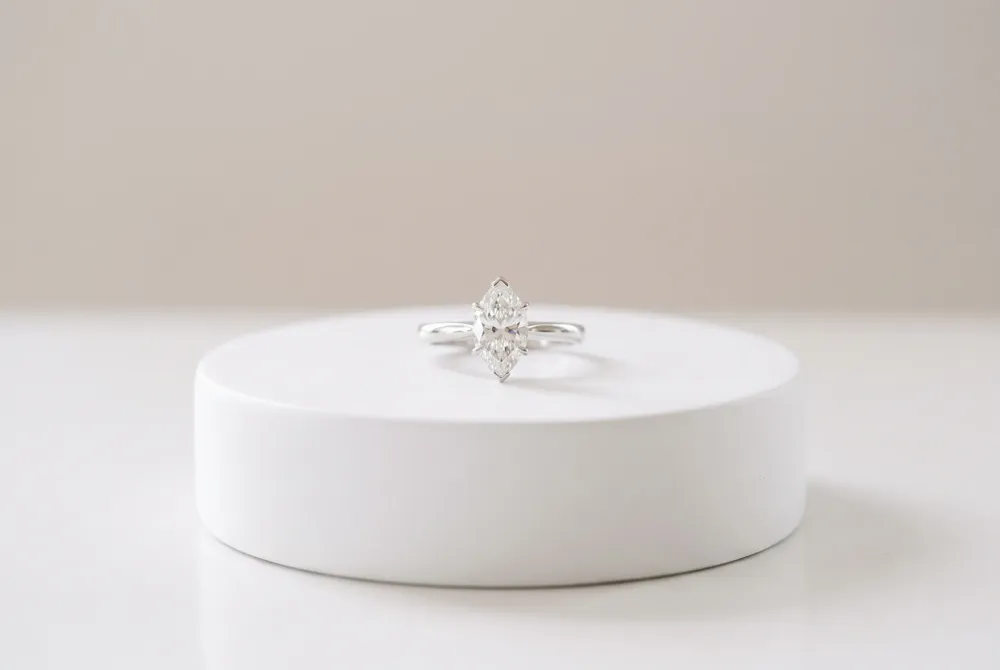
The marquise cut has a long and storied history, tracing back to 18th century France, where it was reportedly created to mirror the smile of the Marquise de Pompadour. Today, it remains one of the most distinctive and elegant diamond shapes, beloved for its ability to create a flattering, elongated silhouette on the finger. For many buyers, the marquise’s vintage charm is a major draw, but it also presents unique considerations that set it apart from other fancy shapes like the princess or oval.
When comparing marquise cut diamonds to other shapes, one of the first things to note is its shape. The marquise is a pointed, boat-shaped stone with a dramatic length-to-width ratio, typically falling between 1.85 and 2.10. This elongated outline makes the finger appear longer and more slender, a benefit that many brides prefer. In contrast, a princess cut is square or rectangular with sharp corners, offering a more modern, geometric appeal. While both shapes can be brilliant, the marquise’s signature pointed ends create a very different visual impact.
Why the Marquise Wins on Elegance and Size Illusion
A key reason couples choose a marquise is the illusion of size. Because of its elongated shape, a marquise diamond appears larger than a round or princess diamond of the same carat weight. This is an excellent advantage for those working with a budget, as a marquise can offer more visual spread for your money. According to Avittam’s guide on marquise cuts, this shape is a top pick for those who prioritize elegance and a flattering profile without sacrificing brilliance.
Furthermore, the marquise cut has a unique ability to sparkle in unexpected ways. Its long, curved facets create a distinctive “crushed ice” or hall-of-mirrors effect that can differ significantly from the step cuts of a princess or the round brilliants of a solitaire. While some might argue that a round brilliant has the most fire, the marquise’s unique light play is part of its charm. For a detailed look at how different cuts sparkle, our comparison of diamond shapes can be a helpful resource.
Weighing the Drawbacks: The Bow-Tie Effect
No discussion of the marquise is complete without addressing the potential for a “bow-tie” effect—a dark, shadowy area that appears across the center of the stone due to light reflecting off the facets. While this is a characteristic of many fancy shapes, it can be more pronounced in a marquise if the cut is poor. To avoid this, it’s crucial to select a stone with an exceptional cut grade, where the facets are perfectly proportioned to maximize brilliance and minimize the shadow. Fortunately, with a high-quality marquise, this effect is minimal and often adds depth and character.
But the bow-tie isn’t the only consideration. The marquise’s pointed ends are also its most vulnerable part. They are prone to chipping and breaking if they strike a hard surface. This makes the choice of a protective setting essential. A marquise engagement ring typically features a V-tip or claw prong to shield the points. If you’re comparing the marquise to a princess cut, you’ll find that while both are stunning, the princess’s sharp corners also need protective prongs, but they are generally considered slightly more durable than a thin point.
Marquise. Boat-shaped with pointed ends; elongates the finger, offers a large size illusion, but the points are delicate and a bow-tie effect is possible.Princess. Square or rectangular with sharp corners; modern, geometric appeal, excellent brilliance, but corners are prone to chipping.Cushion. Soft, rounded square; vintage charm with a classic pillow-like shape, offers a gentle sparkle and is a durable choice for ring design.Oval. Elongated version of the round brilliant; similar to marquise but with no points, making it a safer, equally elegant option with great finger-lengthening properties.
Ultimately, your choice between a marquise and other shapes comes down to personal style and lifestyle. If you love vintage elegance and want a ring that makes a statement, the marquise is a timeless choice. However, it requires a bit more care due to its delicate pointed tips. For a durable, modern alternative with a similar elongated effect, explore our oval and marquise guide. At Avittam, we offer a curated selection of settings to protect and showcase your marquise, ensuring it sparkles beautifully for a lifetime.
2. Appreciating the Princess Brilliance
When most people picture a princess cut, they imagine the classic square or rectangular profile with sharp corners and brilliant facets. But the diamond world actually offers two very different shapes sharing that name: the traditional princess cut, a square with pointed corners, and the softer, rounded cushion cut, which is sometimes called a "princess cut" in older catalogs. The distinction matters because each shape has its own light behavior, durability profile, and styling personality.
The princess cut is engineered for maximum brilliance. Its checkerboard crown and open pavilion are designed to produce intense, high-contrast sparkle, which makes it a favorite for center stones in engagement rings. The cushion cut, by contrast, features larger, softer facets that create a romantic, chunky flash of light. As this guide to diamond shapes notes, the difference in facet design directly affects how much fire and brilliance each shape shows under different lighting.
Light Performance and Face-Up Size
Princess cuts are notorious for their "crushed ice" or busy brilliance under harsh spotlight, while cushion cuts lean toward a more subdued, vintage-inspired glow. If you value maximum sparkle in a modern setting, the princess cut delivers. If you prefer a softer, more romantic shimmer that flatters both indoor and candlelit environments, the cushion cut often wins. For those weighing the two, Princess Cut vs. Cushion Cut explains exactly how their facet patterns compare.
Face-up size is another differentiator. Princess cuts generally appear larger per carat than cushions of the same weight because they retain more of the rough diamond's mass in the crown. Cushions, with their more symmetrical proportions, tend to look slightly smaller unless they feature an elongated shape. Shoppers who prioritize finger coverage without increasing carat weight often lean toward princess cuts; those who value a full, substantial look may prefer cushions.
Durability and Corner Protection
The princess cut's sharp corners are its most vulnerable feature. In a prong setting, those corners are prone to chipping. Cushion cuts, with their rounded edges, are structurally safer and better suited for everyday wear in bridal sets. Many jewelers recommend a protective V-tip prong or a bezel setting for princess-cut stones to guard the tips. Cushions, by comparison, set more securely with standard prongs and are less likely to suffer damage during daily activities.
Princess cut. Square or rectangular with sharp corners; high brilliance; appears larger per carat; best in prong or channel settings with corner protection.Cushion cut. Rounded square with soft corners; larger facets for a romantic glow; more durable profile; suits halo and vintage designs.
Which Should You Choose?
The right shape comes down to lifestyle and aesthetic. If you want a modern, eye-catching sparkle that maximizes size and you are comfortable with prong maintenance, the princess cut is a strong choice. If you prefer a timeless, soft shimmer that hides wear better and feels romantic, choose the cushion cut. For brides drawn to elongated elegance, consider the marquise as well, and review the detailed comparison of marquise vs. other shapes to see how it stacks up.
| Aspect | Princess Cut | Cushion Cut |
|---|---|---|
| Sparkle | High-contrast brilliance | Soft, romantic glow |
| Face-up size | Appears larger per carat | Slightly smaller |
| Durability | Corners chip easily | Rounded corners safer |
| Setting | Needs V-tip or bezel | Standard prongs work |
| Best for | Modern, bold looks | Vintage, romantic styles |
Clarifying the Visual Silhouette
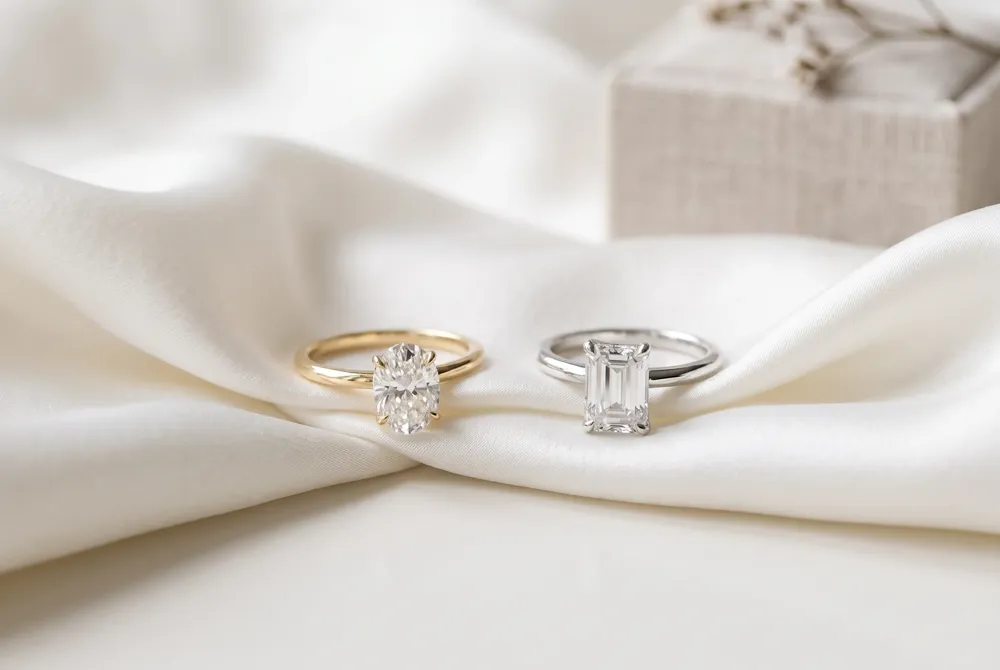
At a glance, the marquise and princess cuts occupy opposite ends of the diamond shape spectrum. The marquise is an elongated, oval-like silhouette with pointed ends, designed to maximize carat weight across the finger. The princess is a square or rectangular cut with sharp corners and brilliant facets, prized for its crisp, structured look.
Silhouette. Marquise diamonds appear larger per carat because their length creates an illusion of size, while princess cuts offer a compact, geometric face.Sparkle profile. Princess cuts are known for their brilliant, fiery sparkle across the table, whereas marquise stones deliver a distinctive "bow-tie" effect that requires careful evaluation.Finger flattery. The marquise's elongated shape visually lengthens the finger; the princess cut adds a modern, substantial presence better suited to wider bands.Setting compatibility. Marquise stones pair naturally with cathedral or solitaire settings that protect their pointed tips, while princess cuts sit flush in prong or channel settings that safeguard the sharp corners.
For a side-by-side look at how these shapes compare, the Princess vs. Marquise Cut guide breaks down the visual differences in detail.
Weighing Durability and Protection
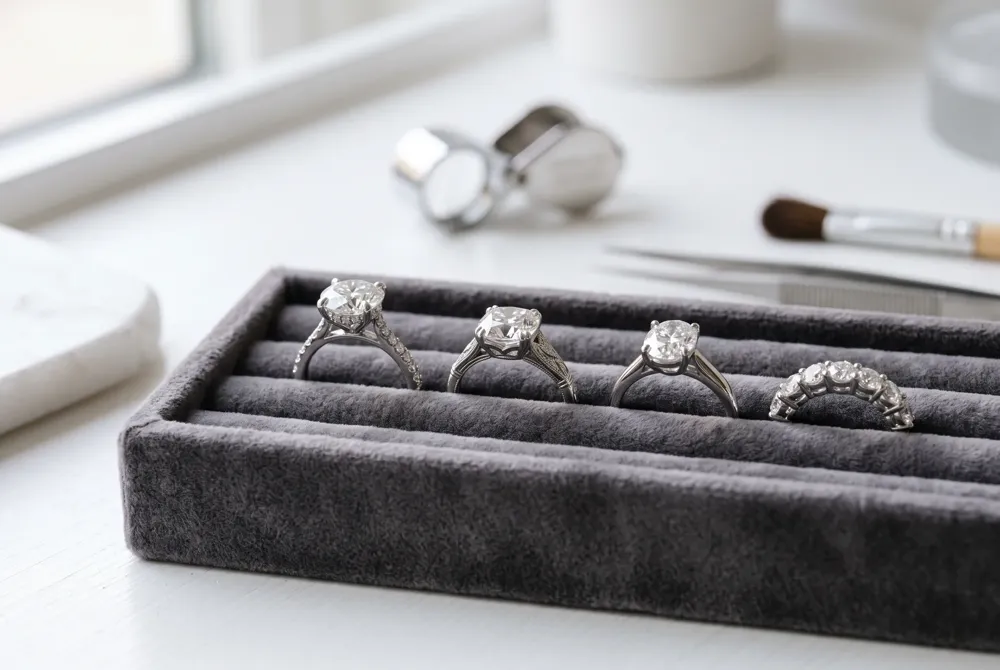
Choosing between a round brilliant and a marquise cut diamond comes down to two very different kinds of magnetism. The round brilliant is the classic, the shape designers have leaned on for over a century, prized for its unmatched ability to return light to the viewer's eye. The marquise, with its elongated, pointed silhouette, creates a dramatic, fashion-forward line that can also make the finger appear longer and slimmer. Where one wins on timeless sparkle, the other wins on presence and elongation, as explored in detail at Avittam Diamond Jewels.
Brilliance. Round brilliants are engineered for maximum light performance, with a full 58 facets arranged to maximize fire and brilliance. Marquise cuts also deliver strong sparkle, but their small, pointed ends can dull noticeably if the cut proportions are off. While the marquise has a similar crown angle to a round in a well-cut stone, the high-traffic tips demand precision to avoid a visible dark or washed-out zone. For those who simply want the most sparkle per carat, the round brilliant remains the sensory benchmark.Silhouette. The round brilliant is symmetrical to a fault, a shape that never goes out of style and reads equally well in a solitaire or a timeless halo. The marquise, by contrast, is an instant statement, its striking length-to-width ratio creating an elegant, elongating effect on the hand. This is one of the most important points when choosing between a princess cut and a marquise, the marquise's boomerang-inspired lines draw the eye lengthwise, making it a favorite for those who want a diamond that feels both rare and personally expressive.Versatility. While round brilliants suit virtually any engagement ring setting, the marquise rewards a setting that offers a bit of protection to its pointed ends. A marquise engagement ring works beautifully in a halo setting or with protective prongs, which is why many couples pair it with a sturdy band. When you shop the marquise engagement rings at Avittam, you'll find design that balances drama with everyday practicality.
There's also the practical matter of cost. Because the marquise places its carat weight across its face, it often appears larger than a round of the same carat weight, a savvy optical trick. This makes the marquise an attractive option for shoppers who want presence without paying for invisible depth. However, with any elongated shape, the added length can be a double-edged sword: the shape's history shows that careful attention to the bow-tie effect is essential. These cut-conscious perspectives matter more than ever when you're investing in a stone for life.
| Feature | Round Brilliant | Marquise |
|---|---|---|
| Light performance | Excellent, engineered for maximum brilliance | Good, but can suffer at pointed ends if poorly cut |
| Silhouette | Timeless, symmetrical, classic | Elongated, dramatic, elongating |
| Carat presence | Looks smaller per carat due to depth | Looks larger, face-up size is a highlight |
| Best for | Traditionalists, maximum sparkle seekers | Fashion-forward, those who want elongation and a unique look |
| Common setting | Solitaire, halo, pavé | Halo, protective prongs, three-stone |
Decoding Sparkle and Brilliance
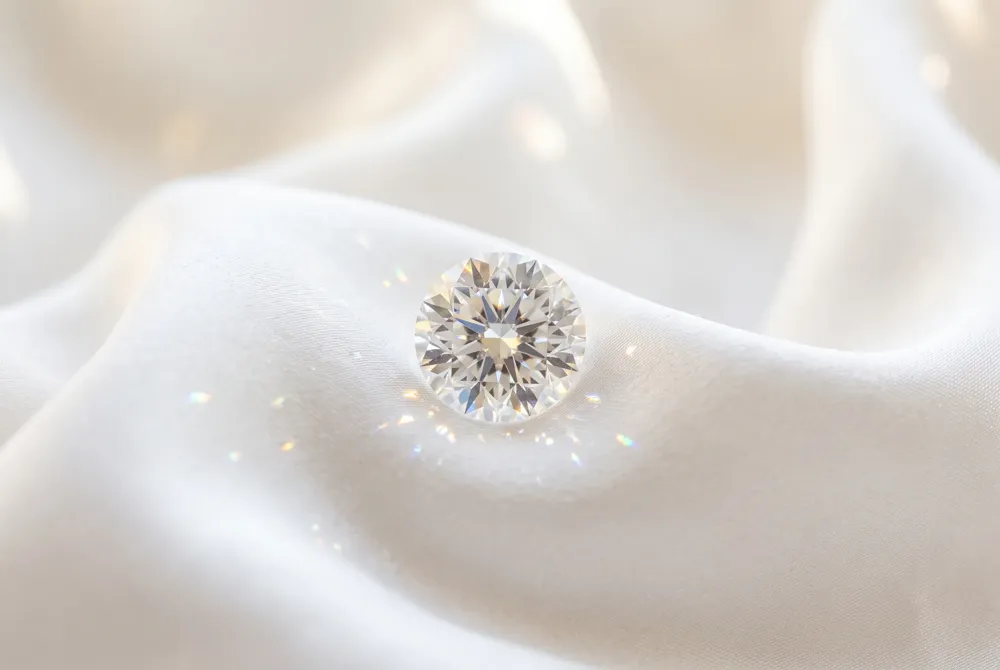
Choosing between a marquise and a princess cut comes down to more than just which shape you find prettier. The cut you pick influences the ring's sparkle, how large the diamond appears on your finger, and how well it suits your daily routine. Before you commit, it helps to know what each shape does well and where it falls short.
Sparkle and Brilliance
A diamond's sparkle comes from how light moves through its facets. Marquise cuts are famous for their "crushed ice" look, created by the long, narrow shape that reflects light in a distinctive pattern. Princess cuts, on the other hand, are designed to maximize brilliance with their step-like faceting that creates a bright, crisp fire. If you want the highest possible shimmer, a princess cut often edges ahead because its square shape carries more facets per carat, making it appear more lively in most lighting conditions.
For a deeper comparison, the "Which Diamond Cut Sparkles the Most?" guide explains how shape geometry affects light return, while Princess Cut vs. Marquise Cut offers a direct side-by-side of their visual differences.
Appearance on the Finger
Marquise cuts create an elongated silhouette that makes fingers look longer and more slender, a favorite for those who love a dramatic, vintage-inspired look. Princess cuts sit closer to the finger, with a squarer profile that reads as modern and bold. If you have smaller hands, the marquise's elongated shape can be especially flattering, whereas princess cuts suit anyone who wants a shape with a strong, defined presence.
Durability and Everyday Wear
Both shapes require a setting that protects their corners. Marquise cuts have pointed tips that can chip if they strike a hard surface, so a bezel or V-prong setting is often recommended. Princess cuts have sharp corners that need similar protection; a four-prong or channel setting works well. For daily wear, consider your lifestyle: if you work with your hands, both benefit from a sturdy setting that shields the vulnerable points.
A Side-by-Side Comparison
| Feature | Marquise Cut | Princess Cut |
|---|---|---|
| Shape | Elongated, oval-like with pointed ends | Square, with pointed corners |
| Sparkle | Crushed ice look, softer glow | Brilliant, bright fire |
| Finger Appearance | Makes fingers look longer and slimmer | Adds width, appears more substantial |
| Durability | Tips can chip; needs protective prongs | Corners can chip; needs sturdy setting |
| Best For | Vintage, dramatic, elongated styles | Modern, bold, maximum sparkle |
Ultimately, the right choice depends on your personal taste and lifestyle. If you prioritize sparkle above all, the princess cut delivers intensive brilliance, as detailed in the princess cut vs marquise cut comparison. For a shape that elongates and adds elegance, the marquise is a timeless option, as seen in the marquise cut guide. Explore both cuts in person or through detailed guides to see which one feels right on your hand and matches the sparkle you love.
Considering Finger Appearance and Style
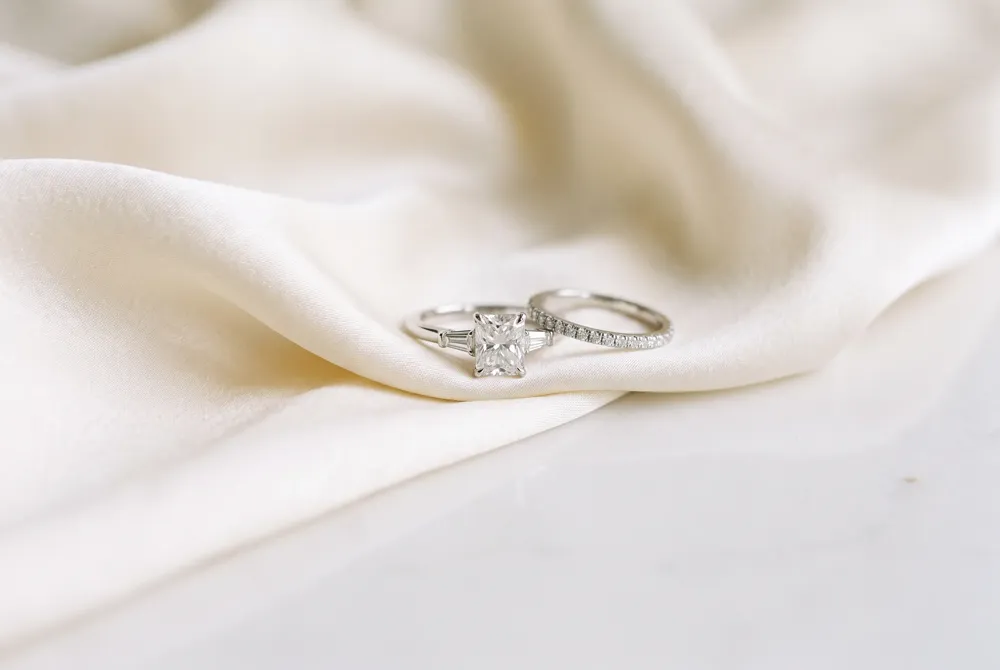
The shape of a diamond does more than define its style. It changes how the stone sits on your finger, how much finger it appears to cover, and how the light moves across it. Two diamonds of the same carat weight can look completely different when one is a marquise and the other is a princess cut. That difference matters when you are choosing a ring you will wear every day.
The marquise cut creates an elongated outline that runs lengthwise along the finger. That long silhouette is why it is a favorite among shoppers who want a slimming effect. According to Which Diamond Cut Sparkles the Most?, the marquise can also appear larger than other cuts at the same carat weight, because its extended shape spreads the carat out over a wider surface area. The princess cut, by contrast, is square with sharp corners. It tends to face up smaller than the marquise, so a princess stone of equal carat weight will often look more compact on the hand.
Shape also influences sparkle. The princess cut has a brilliant-style facet pattern that produces a lively fire, while the marquise features what many jewelers call a bow-tie effect, a dark area across the center that moves as the stone tilts. Some buyers embrace the marquise bow-tie as part of its charm; others find it distracting. If you are weighing the two, it helps to see them side by side rather than relying on online photos alone.
Testing the Look Before You Commit
Because the two shapes sit so differently on the hand, a quick at-home check can save you a costly mistake. Try on a round diamond of the same carat weight, then place a marquise and a princess next to it on a plain band. Notice how the outlines change your finger's perceived length and width. Many jewelers report that customers who want a longer, more slender look gravitate toward the marquise, while those who prefer a sharper, more geometric profile choose the princess. You can explore the differences in person, or use the detailed guides at Marquise Engagement Rings and Princess Cut Engagement Rings to compare settings and prong styles from home.
Ultimately, the best choice is the one that feels right on your hand and matches your personal style. Both the marquise and the princess offer timeless elegance, but they flatter very differently. Take the time to try them on, and let your eye, not the trend, be the final guide.
Selecting the Perfect Setting
Two of the most requested diamond silhouettes, the marquise and princess shapes, both deliver the elongated or square geometry that many shoppers seek, yet they project very different personalities. The marquise, sometimes called the "navette" or "eye-shaped" cut, has an elongated oval with pointed ends, while the princess is a modern square or slightly rectangular brilliant cut. Understanding how each shape behaves in terms of brilliance, durability, and setting compatibility is the first step toward choosing the right center stone for your engagement ring.
Cut and Sparkle: How Each Shape Performs
The sparkle of any diamond depends on how its facets interact with light. The marquise belongs to the brilliant-cut family, with 56 to 58 facets arranged to maximize fire and brilliance. However, its long, narrow shape can create a dark "bow-tie" effect across the center, a shadow that appears in certain lighting and requires a well-proportioned stone to minimize. The princess cut, which is essentially a square brilliant, also produces exceptional fire and brilliance, but its sharp corners demand careful attention because they are more prone to chipping. According to a diamond sparkle guide, the marquise's elongated shape can actually create a flattering finger-lengthening effect, while the princess's square shape tends to appear larger per carat due to its open corners.
When comparing sparkle directly, the princess cut is often cited as one of the most brilliant shapes because of its many facets. Yet the marquise, with its elongated silhouette, can appear to sparkle more intensely along its length. For a deeper dive into which shapes truly catch the light, this comparison of diamond cuts explains how the width-to-length ratio and crown height influence performance.
Durability and Setting Considerations
Durability is a major factor for an engagement ring that will be worn daily. The marquise's pointed tips are vulnerable to chipping unless they are protected by a V-shaped prong or a bezel setting. The princess cut's four corners are equally fragile, which is why many jewelers recommend a channel or V-prong setting to shield them. Both shapes require reinforced settings to prevent damage, but the marquise's elegant, vintage appeal pairs beautifully with a marquise engagement ring that incorporates a protective gallery rail. For those who prefer a modern, geometric look, a princess cut engagement ring offers a clean, architectural style while still allowing for protective prongs.
Setting style also affects how each shape is perceived. A marquise set in a pavé or halo band can enhance its elongated effect, while a princess cut in a solitaire setting emphasizes its crisp edges. Both options benefit from a low-profile basket to prevent snagging on clothing. Shoppers weighing a marquise against a princess should also consider how the shape aligns with their personal style. The marquise vs. princess shape guide notes that the marquise is often chosen for its vintage romance, while the princess appeals to those who prefer contemporary sharpness.
Which One Flatters Your Hand More?
The marquise's elongated shape can make a finger appear longer and slimmer, which is why it remains a favorite among those who want a flattering, elegant look. The princess cut, while not as elongating, tends to make a hand appear more petite and delicate because of its square outline. Try on both shapes with a virtual try-on tool to see which silhouette feels most natural. Remember that the overall proportion of the diamond to your finger matters as much as the shape itself; a longer marquise may overwhelm a small hand, while a large princess might overpower a slender finger.
| Aspect | Marquise Cut | Princess Cut |
|---|---|---|
| Shape | Elongated oval with pointed ends | Square or rectangular brilliant |
| Brilliance | High, with possible bow-tie effect | Very high, many facets |
| Durability Risk | Pointed tips chip easily | Sharp corners chip easily |
| Best Setting | V-prong, bezel, or halo | V-prong, channel, or four-claw |
| Finger Effect | Elongates and slims fingers | Can make hand look smaller |
| Style Vibe | Vintage, romantic, elegant | Modern, geometric, edgy |
Weighing Value and Visual Size
Silhouette. The marquise is an elongated oval with pointed ends, often called the football or boat shape. The princess cut is a square or rectangular modified brilliant cut with pointed corners.Sparkle. The princess cut typically shows more brilliance and fire than the marquise, which produces a distinctive crushed-ice or hall-of-mirrors effect. However, a well-cut marquise can also capture light beautifully. Explore the sparkle differences in this guide.
Both cuts weigh the same per carat, but their shapes create different size perceptions. The marquise's elongated outline maximizes carat weight visually, making it appear larger than a princess cut of the same carat weight. The princess cut's square shape concentrates weight in the center, so it can look smaller than its carat weight suggests.
Size Perception and Finger Appearance
The marquise is a top choice for elongating the finger and creating a slimming effect. Its pointed ends draw the eye upward and downward, which is flattering on most hand shapes. This optical illusion is one of the marquise's biggest advantages.
The princess cut, with its square outline, tends to make the finger look shorter and wider. It can still be a stunning choice for those who prefer a clean, geometric look, but it doesn't offer the same lengthening effect as the marquise.
Durability and Wear
Princess cuts are known for their durability, but the pointed corners are vulnerable to chipping if not protected with a V-shaped prong or a bezel setting. Marquise cuts have pointed ends that are also prone to chipping, but modern cutting and setting techniques, such as a V-tip prong, help safeguard them.
For those considering a marquise, Avittam's marquise engagement ring collection offers styles with protective settings, while the princess cut selection includes options designed for everyday wear.
| Feature | Marquise Cut | Princess Cut |
|---|---|---|
| Shape | Elongated oval with pointed ends | Square with pointed corners |
| Size perception | Appears larger per carat | Looks smaller per carat |
| Finger look | Elongates, slimming | Shortens, wider look |
| Sparkle | Crushed ice, less brilliant | Brilliant, fiery |
| Durability risk | Chipped points | Chipped corners |
Your Choice Aligned with Your Vision
Once you decide on a marquise or princess engagement ring, the next decision is the setting and how the two cuts differ in everyday wear. Both shapes offer distinct profiles, and the right choice comes down to your personal style and lifestyle.
Silhouette and Style Personality
The marquise cut, with its elongated, boat-like shape and pointed ends, creates a flattering finger-elongating effect. The princess cut, essentially a square or rectangular brilliant cut, offers a modern, geometric look that maximizes sparkle due to its many facets. According to a diamond shape comparison from Do Amore, each shape carries its own visual weight: marquise appears larger per carat because of its extended surface area, while princess cuts are prized for their contemporary, sharp lines.
Marquise silhouette. The tapered ends and long body draw the eye along the finger, making it ideal for those who want a dramatic, vintage-inspired or Hollywood-glam aesthetic. It is often chosen to create an illusion of greater size and length.Princess silhouette. The square or rectangular shape offers a crisp, clean look that appeals to minimalist and modern tastes. It tends to appear smaller than a marquise of the same carat weight because the shape is more compact, but its brilliant facet pattern delivers exceptional fire.
Sparkle and Light Performance
Sparkle is often the deciding factor for many buyers. Marquise diamonds, when cut well, can exhibit a beautiful bow-tie effect at the center, which some consider a drawback, yet a skilled cutter can minimize this. Princess cuts, with their 76 facets, are engineered to produce high brilliance and fire, making them one of the most sparkling shapes available. A helpful resource from Whiteflash explains that while marquise stones can be stunning, their light performance depends heavily on the length-to-width ratio and the quality of the cut.
For those who prioritize maximum sparkle, the princess cut often wins. However, as noted in a guide by Dana Rebecca Designs, the marquise cut’s elongated facets create a different kind of light play, a scintillation that moves across the stone as it sways. The best choice depends on whether you prefer the dramatic flash of a princess or the graceful, subtle brilliance of a marquise.
Practical Considerations: Shape, Setting, and Care
Shape retention. Marquise diamonds, with their pointed tips, are more vulnerable to chipping when set in a prong. A protective setting, such as a V-tip or bezel, is essential to safeguard the delicate ends. Princess cuts, with their sharp corners, also require sturdy prongs or a channel setting to protect the corners.Maintenance and durability. Both shapes score high on the Mohs scale (10), but the design of the setting influences resilience. A marquise in a bezel setting is extremely secure, while a princess in a four-prong setting needs regular checks. Consider your daily activities: if you work with your hands, a bezel or flush setting for either shape offers better protection.
When deciding between the two, also consider the ring’s overall style. A marquise can be paired with a diamond band to elongate the finger further, while a princess cut often looks best on a sleek, modern band that complements its sharp lines. For a comprehensive comparison, a guide on marquise and princess cuts suggests looking at how each shape reflects light when viewed from different angles, which you can test by observing the stone in person under various lighting conditions.
Making the Final Choice
Ultimately, the decision between a marquise and princess cut is personal. The marquise offers a romantic, timeless elegance that flatters many hands, while the princess cut provides a bold, modern statement. Visit a jeweler to try on both shapes, and consider how each feels on your finger. Remember, the best diamond is the one that feels right to you, blending beauty with practical wear.
| Aspect | Marquise Cut | Princess Cut |
|---|---|---|
| Shape | Elongated, pointed ends | Square/rectangular, sharp corners |
| Sparkle | Graceful, may have bow-tie | High brilliance, 76 facets |
| Size Illusion | Appears larger per carat | Appears smaller, more compact |
| Care | Vulnerable tips, need V-tip prongs | Corners need protection, strong prongs |
| Style | Vintage, Hollywood glam | Modern, sleek, contemporary |
For those leaning towards the marquise, explore the elegant collection at Avittam Diamond Jewels to see how this cut can be set beautifully. Similarly, if you’re drawn to the princess cut, Avittam offers a range of princess-cut engagement rings that highlight its modern appeal. Both options from Avittam ensure quality and craftsmanship.