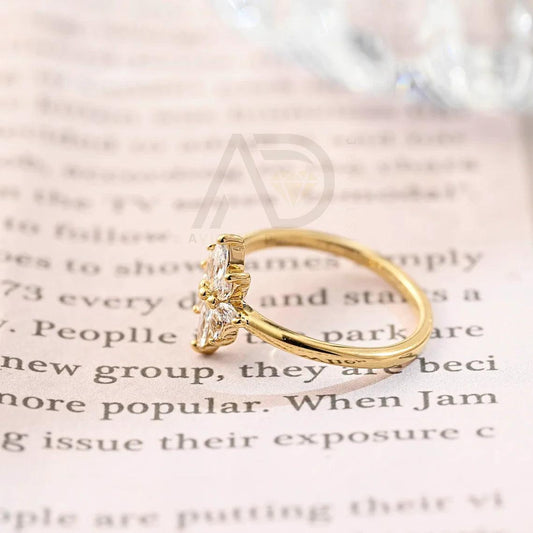

Understanding Diamond Durability for Your Engagement Ring
Selecting an engagement ring involves balancing aesthetic desire with the practical reality of daily wear. While diamonds are the hardest gemstone on the Mohs scale, they remain susceptible to chipping if struck at specific angles, particularly near their natural cleavage planes as noted by the GIA. For couples drawn to distinct geometries, the marquise-cut ring and the princess-cut diamond offer stunning brilliance but require thoughtful consideration regarding their long-term resilience.
The marquise cut ring is prized for its elongated profile, which creates the illusion of longer, more slender fingers per GIA research. However, its two delicate, pointed ends are inherent pressure points. Similarly, the princess cut is favored for its modern, square silhouette and high-energy light return, yet its four sharp corners are notably vulnerable to impact.
At Avittam Diamond Jewels, we specialize in helping clients design engagement rings that marry timeless elegance with structural integrity. Unlike mass-market retailers that may ignore these structural nuances, we guide you toward protective settings like V-prongs or custom bezels that specifically shield the vulnerable points of your chosen diamond. By prioritizing these structural considerations, you ensure that your ring remains as enduring as the commitment it represents.
The Allure of the Marquise and Princess Cuts
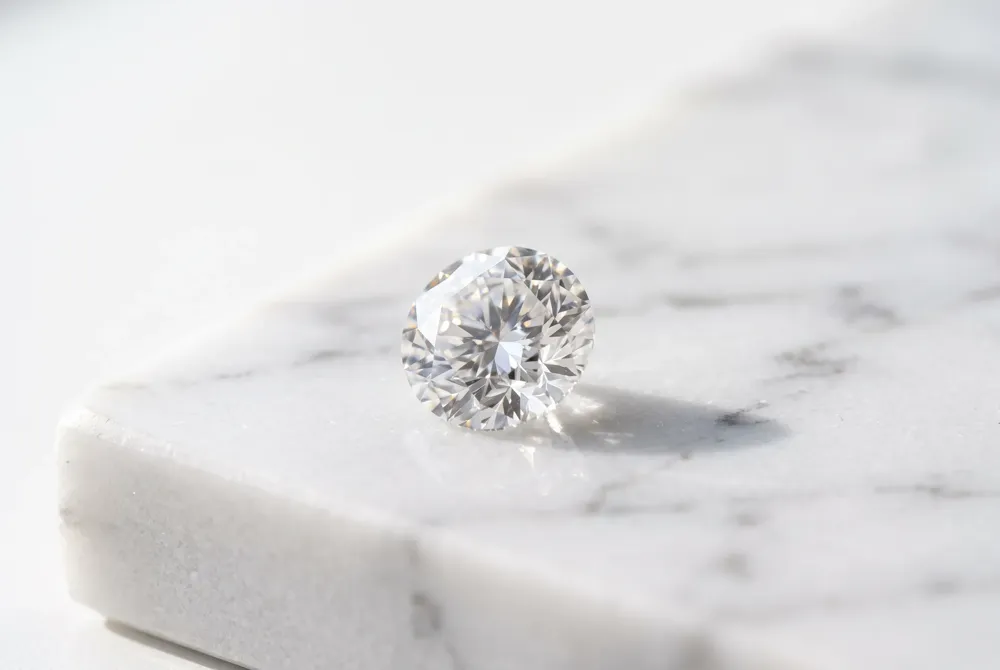
Selecting the perfect diamond cut is a deeply personal journey, yet certain shapes remain celebrated for their enduring grace and ability to flatter the hand. For those who gravitate toward a refined, lengthening silhouette, the sophisticated marquise cut offers a regal aesthetic that creates a beautifully slender effect on the finger. Meanwhile, the princess cut remains a cherished favorite for the modern bride, blending a brilliant, sharp-edged geometry with a radiant sparkle that feels both contemporary and classic.
Defining the Marquise and Princess Silhouettes
A marquise cut ring features an elegant, boat-shaped profile with two distinct pointed ends and many precisely cut facets. This shape, famously commissioned by King Louis XV for his mistress, is prized for its ability to make the wearer's fingers appear longer and more slender. By comparison, a princess-cut diamond is a square or rectangular gem with sharp 90-degree corners. Featuring a carefully arranged facet pattern, this cut is designed to maximize light reflection, offering a crisp, brilliant flash that contrasts with the softer, elongated glow of the marquise.
At Avittam Diamond Jewels, we recognize that both shapes offer unique benefits for the discerning bride. While the marquise cut is often noted for appearing larger face-up than other stones of the same carat weight, per GIA research, the princess cut is often more cost-effective per carat because the cutting process retains more of the original rough stone. Our team focuses on sourcing high-quality specimens to ensure that whether you choose the vintage-inspired elegance of a marquise or the modern geometry of a princess, your piece reflects timeless craftsmanship.
- Marquise cuts are renowned for their regal profile and ability to visually elongate the finger.
- Princess cuts are celebrated for their modern, brilliant-cut geometry and crisp light reflection.
- Both shapes require careful setting selection to protect their vulnerable points or corners from impact.
- Avittam Diamond Jewels provides bespoke designs to ensure these delicate stones remain secure and radiant.
Vulnerabilities: Pointed Tips vs. Sharp Corners
When selecting your dream ring, it is essential to consider how different shapes handle the rigors of daily wear. A marquise cut ring is prized for its elongated silhouette, yet its two pointed ends are inherently vulnerable to chipping if not protected by a V-tip setting. Similarly, the sharp corners of a princess cut diamond represent its most fragile points, which are susceptible to damage if struck against hard surfaces. While both cuts demand a thoughtful approach to protection, the risk is effectively mitigated by choosing a setting that cradles these delicate areas. At Avittam Diamond Jewels, we guide you in selecting secure settings that preserve the beauty and integrity of your chosen diamond for a lifetime of elegance.
Structural Weakness and Internal Planes
The susceptibility to damage in these specific cuts is rooted in the diamond's natural internal structure. According to GIA research, diamonds possess internal structural planes where carbon atoms are less tightly bonded, making them more prone to fracturing when force is applied to thin or sharp edges. For a princess cut, these vulnerable points are the 90-degree corners, while the marquise cut ring faces similar concerns at its two tapered ends. Unlike the round brilliant cut, which lacks such concentrated weak points, these fancy shapes require careful handling.
Visual Symmetry and the Bow-Tie Effect
Beyond structural durability, the aesthetic appeal of a marquise cut ring relies heavily on precise cut and facet arrangement. A common characteristic to evaluate is the bow-tie effect, which appears as a dark shadow across the center of the stone. This phenomenon occurs due to the way light reflects through the lower portion of the diamond, but it can be minimized through expert craftsmanship. While some variation is expected, a well-cut diamond will disperse light evenly throughout the stone, ensuring a consistent, brilliant appearance. Our bespoke ordering service at avittamdiamondjewels.com ensures every diamond we source for your marquise wedding band set meets the highest standards for symmetry and light performance, allowing the stone to sparkle with maximum intensity.
Protective Settings: Bezel, V-Prongs, and Beyond
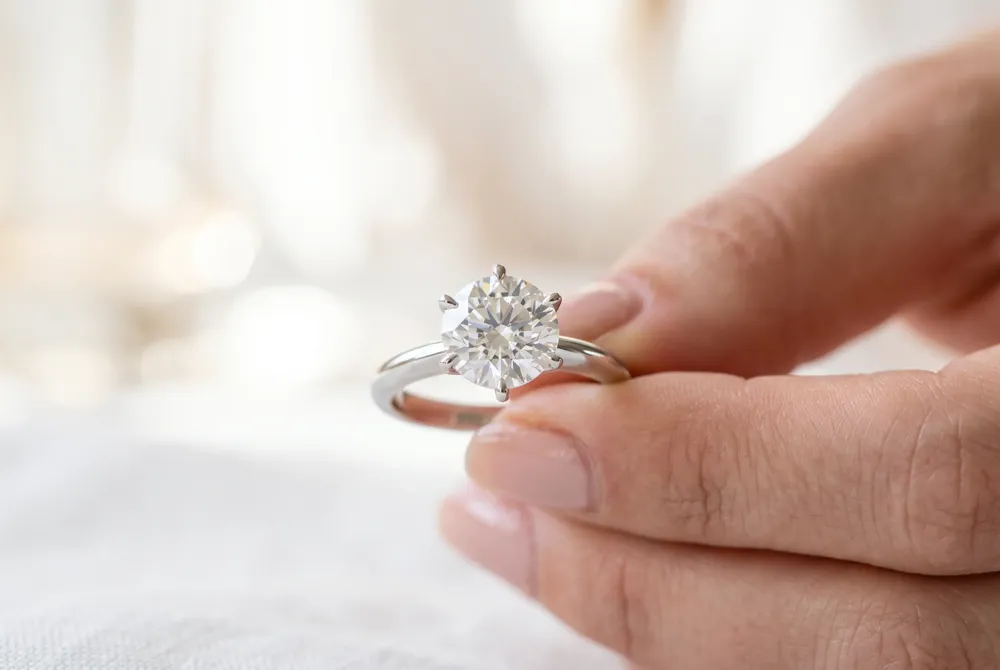
Selecting a secure mounting is essential for preserving the integrity of a marquise cut ring or princess cut. Because both shapes feature vulnerable points prone to chipping, the way these stones are held determines their long-term survival against daily impacts. While traditional claw prongs offer a classic look, they often leave delicate tips exposed.
Is a bezel setting inherently more secure for diamond protection than a traditional prong setting?
A bezel setting is widely considered to offer superior protection for your diamond compared to a traditional prong setting. By encircling the entire perimeter of the stone with a continuous band of precious metal, the bezel minimizes the risk of snagging on clothing and provides a robust barrier against daily wear. This makes it an ideal choice for those with active lifestyles or careers that involve working with their hands, such as those who might choose a resilient marquise cut ring. While prongs elegantly showcase more of the diamond surface, they leave the edges more exposed to potential impact. Ultimately, the bezel provides a sophisticated, snag-free sanctuary for your gem, offering peace of mind whether you are wearing a classic princess cut or a unique custom design.
Specialized Support for Pointed Shapes
For those who prefer the light-catching brilliance of a prong setting, V-shaped prongs, also known as chevron prongs, are a mandatory feature per the GIA. Unlike standard rounded prongs that may touch the side of a stone, V-prongs physically cradle the fragile corners of a princess cut or the sharp tips of a marquise. This specialized metal housing absorbs the force of accidental knocks that would otherwise cause a fracture at the most fragile points of the gem's structure.
Half-Bezel: This design serves as a graceful compromise, guarding the most vulnerable points of a stone while leaving the sides open to ensure maximum light entry and brilliance. Halo Setting: A halo acts as a secondary layer of protection by creating a buffer around the center diamond, though it must still incorporate V-prongs or a bezel at the corners to be truly effective against impact.
Cut Quality and Girdle Thickness Impact Durability
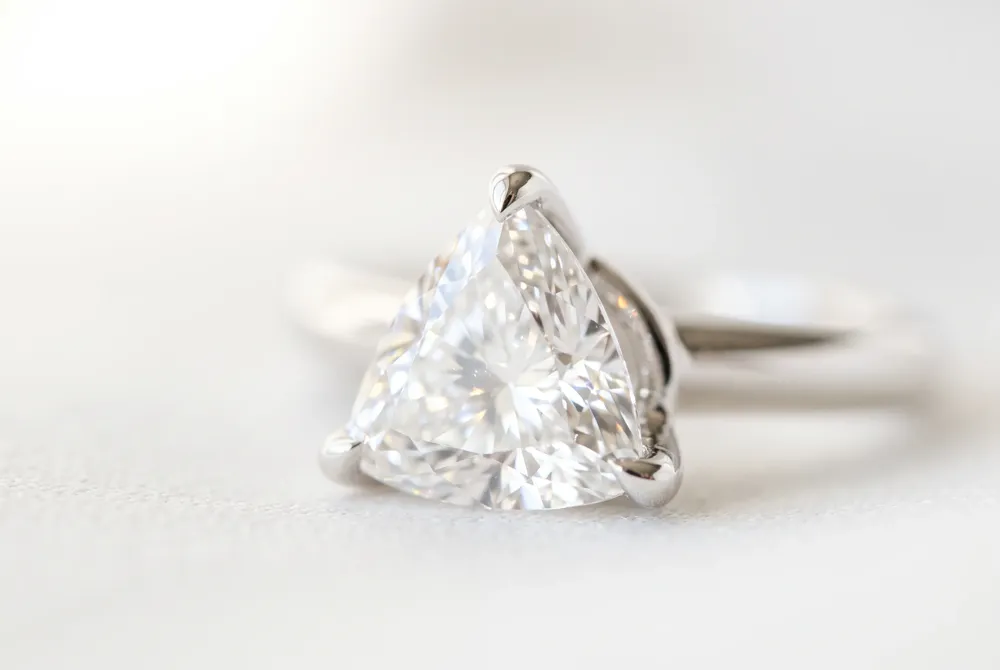
Achieving the ideal balance between a diamond's aesthetic appeal and its long-term resilience requires careful attention to cut precision. A well-cut diamond distributes stress more evenly across its facets, whereas a poorly executed cut can introduce structural weak points that increase the risk of chipping. For a marquise cut ring or a princess cut, the quality of the faceting directly influences how the stone withstands the unavoidable knocks of daily life.
The girdle, or the outer edge of the stone, serves as a primary indicator of durability. A girdle that is too thin is exceptionally prone to damage. While it may seem counterintuitive, adding a slight amount of weight to the girdle through a more robust cut provides a necessary buffer against impact. Experts at the GIA recommend carefully balancing these proportions; the goal is to secure the perimeter without adding unnecessary bulk that detracts from the diamond's brilliance.
Specialized Techniques for Pointed Stones
For the marquise shape, the pointed ends are inherently delicate. To mitigate this vulnerability, master cutters often employ a technique known as French tips. By modifying the star and upper girdle facets, this approach reinforces the points, granting the diamond greater structural integrity without sacrificing its characteristic elongation. While no setting or cut can render a stone entirely impervious to damage, these advanced techniques represent a significant upgrade in durability for the discerning shopper.
- Prioritize stones with a thicker, consistent girdle rather than those with sections labeled extremely thin.
- Ensure your jeweler performs an inspection of the points and corners every 6 to 12 months to verify settings remain secure.
- Consider French tips when selecting a marquise diamond to provide a subtle but effective layer of structural fortification.
Symmetry and the Bow-Tie Effect in Marquise Diamonds
Achieving perfect visual harmony in a marquise cut ring relies heavily on superior symmetry. Because of the unique boat-shaped silhouette, even slight misalignments between the two points or uneven curves along the wings can create a lopsided profile. Avittam Diamond Jewels prioritizes precise facet placement to ensure that each marquise stone radiates balance, contrasting with lower-quality stones where poor symmetry diminishes the regal elegance expected from this historic shape.
The signature bow-tie effect, a shadow cast across the center of the table, is a byproduct of how light interacts with the pavilion facets in elongated stones. While a subtle bow-tie is characteristic of many fancy-cut diamonds, a prominent shadow can significantly undermine the stone's brilliance. Experts at 4cs.gia.edu note that maintaining a depth percentage between 58% and 64% often helps mitigate this effect, ensuring light is distributed more evenly across the surface. At Avittam Diamond Jewels, we guide clients through these technical nuances, emphasizing that certification alone cannot capture the visual impact of a diamond's light performance.
Direct visual inspection remains the most reliable method for assessing the severity of a bow-tie. Unlike the princess cut, which features a brilliant-style facet pattern designed for consistent light reflection, the marquise requires a discerning eye to ensure the bow-tie does not distract from the stone's overall sparkle. Our curation process at Avittam Diamond Jewels ensures each selected diamond is vetted for optimal light play, providing our couples with pieces where brilliance is never sacrificed for size.
Princess Cut Pricing: What Drives the Value?
The market pricing for a princess cut diamond is primarily determined by its carat weight, as larger stones of superior quality are notably rarer and command a higher premium. While many shoppers appreciate the modern brilliance of this shape, they often find that a princess cut is more cost-effective than a traditional round brilliant diamond because the cutting process retains more of the original rough stone. At Avittam Diamond Jewels, we emphasize that the harmonious balance of these factors ensures each piece reflects the exquisite craftsmanship and enduring elegance expected of a truly refined piece.
What factors influence the market pricing for princess cut diamonds?
Beyond size, the precision of the cut remains essential, as a masterfully faceted stone optimizes light performance and directly influences its brilliance and value. Color grading also plays a significant role in determining the final cost. We recommend choosing a color grade between D and H when mounting these stones in white metals to maintain a crisp, bright look. For those who prefer the warmth of yellow or rose gold, lower color grades can still offer exceptional beauty.
Clarity is another vital indicator of rarity and quality. The intricate facet pattern of the princess cut is highly effective at hiding natural inclusions, allowing for potential savings in clarity grades without compromising the visible appearance of the gem. Experts typically suggest a grade of VS2 or higher to ensure the stone remains clean to the naked eye. By selecting a high-quality princess cut that balances these traits, couples can secure a stunning center stone that aligns perfectly with both their aesthetic vision and budget.
Color and Clarity Recommendations for Both Cuts
Selecting the optimal color and clarity for a marquise cut ring or a princess cut requires understanding how their distinct facet patterns interact with light. Because the marquise cut is an elongated brilliant shape, it tends to reveal color more prominently, particularly near its pointed tips. To ensure a crisp, icy appearance, we generally recommend a color grade of G or higher. In contrast, the princess cut can sometimes exhibit a subtle warmth due to its dense, intricate faceting. For those mounting a princess cut in white gold or platinum, selecting a stone within the D-H color range ensures the diamond maintains a brilliant, colorless look, while warmer grades may be harmonized beautifully in yellow or rose gold settings.
When it comes to clarity, both shapes offer unique advantages for the discerning buyer. The marquise cut is remarkably effective at masking small inclusions within its vibrant light play, making grades like VS2 or SI1 frequently acceptable for those seeking value without compromising visual appeal. Similarly, the complex geometry of a princess cut hides internal characteristics well, allowing for potential savings in clarity. At Avittam Diamond Jewels, we provide curated diamond selections that prioritize these aesthetic factors, ensuring your chosen stone meets your specific quality expectations for your bridal set.
| Feature | Marquise Cut | Princess Cut |
|---|---|---|
| Recommended Color | G or higher | D-H for white metals |
| Clarity Flexibility | VS2 to SI1 | VS2 or higher |
| Facet Performance | Hides inclusions well | Complex masking |
Length-to-Width Ratios for the Ideal Silhouette
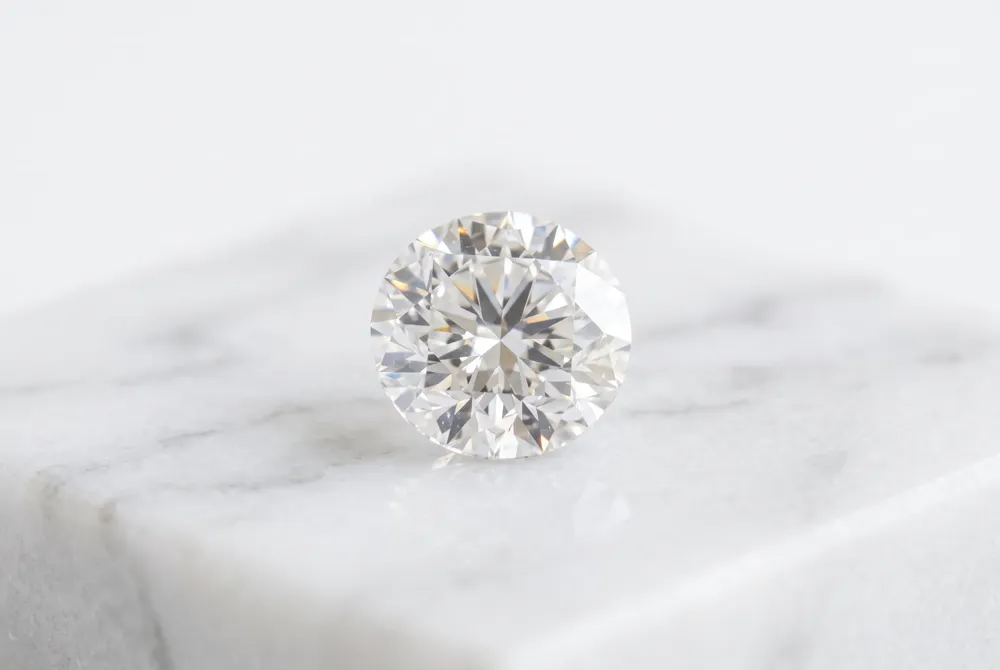
Selecting the proper dimensions for your center stone defines its character and visual presence. For a marquise cut ring, the classic length-to-width ratio typically ranges from 1.75 to 2.15, with 2.0 often cited as the optimal proportion for achieving that signature elongated, regal silhouette. While Avittam Diamond Jewels offers these elegant cuts, it is worth noting that some retailers carry variations that may skew too narrow or broad, potentially disrupting the desired slim profile of the wearer's finger.
In contrast, a princess cut requires a different approach to geometry. To maintain a perfectly square appearance, you should aim for a ratio between 1.00 and 1.05. A ratio that strays too far from this range will result in a rectangular outline, which alters the modern, architectural appeal many couples seek. Unlike some mass-market jewelers who prioritize yield over visual balance, Avittam Diamond Jewels ensures that each stone aligns with these ideal standards to maximize aesthetic harmony.
Ultimately, the choice between an elongated marquise or a crisp princess shape comes down to personal style preference. Whether you desire the finger-slimming effects of the marquise or the intense brilliance of the square, understanding these ratios empowers you to select a piece that feels both intentional and timeless.
Everyday Wear and Professional Maintenance
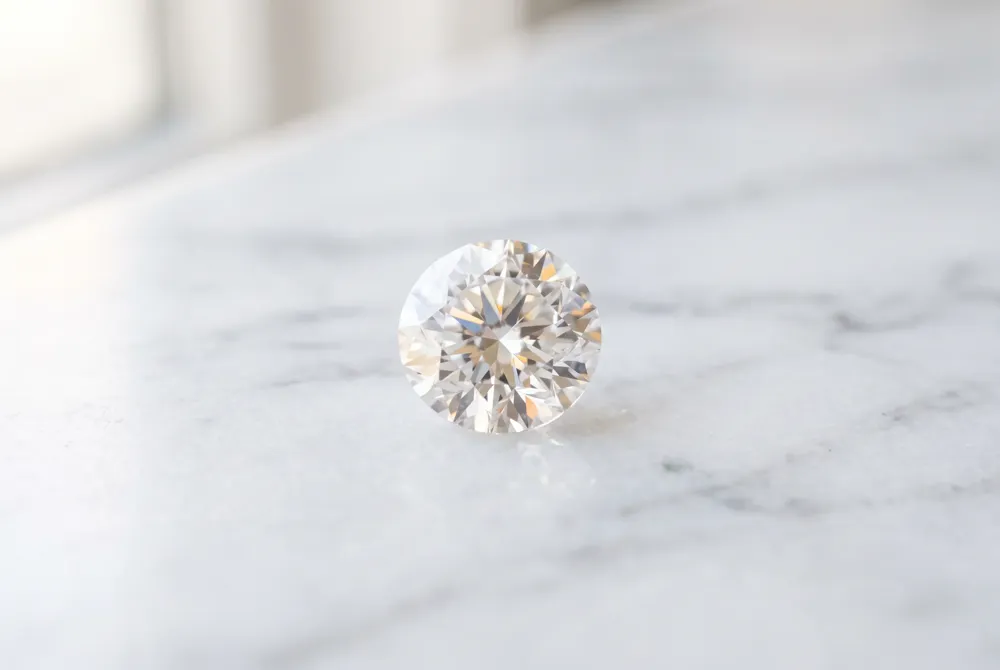
While a marquise cut ring or a princess cut diamond provides striking brilliance, their sharp geometry necessitates mindful care during your daily routine. Activities involving heavy manual labor or strenuous movement increase the potential for accidental impact, which can jeopardize the stone's integrity. Even minor contact with hard surfaces can pose a risk, as diamonds, despite their hardness, remain susceptible to chipping along their natural cleavage planes per the GIA.
To maintain the beauty and security of your piece, we recommend scheduling professional inspections every six to twelve months. During these visits, a jeweler should verify prong security, ensuring that no claws have bent or shifted, which could otherwise lead to the accidental loss of your center stone. At Avittam Diamond Jewels, we emphasize that regular maintenance serves as the first line of defense in identifying potential vulnerabilities before they result in lasting damage.
Given the inherent fragility of pointed ends and sharp corners, insuring your engagement ring provides essential peace of mind. While we design each piece with durable, modern craftsmanship in mind, insurance protects your investment against unforeseen accidents that go beyond standard wear. Because no setting can render a stone entirely chip-proof, proactive care and comprehensive coverage ensure that your jewelry remains as radiant as the day you first wore it.
Choosing Between Marquise and Princess with Confidence
Selecting the perfect engagement ring often requires weighing the dramatic allure of a marquise cut ring against the modern, geometric precision of a princess cut. While both stones offer brilliant light reflection, they possess distinct structural vulnerabilities due to their pointed ends and sharp corners. Understanding that diamonds are hard but not immune to impact allows you to prioritize settings, such as V-prongs or full bezels, that safeguard these delicate areas during daily activity.
The choice ultimately rests on your personal aesthetic and lifestyle. At avittamdiamondjewels.com, we believe an engagement ring should reflect both enduring elegance and your unique personality. Whether you prefer the finger-elongating grace of a marquise or the crisp radiance of a princess, our team ensures every piece is crafted for both beauty and long-term security.
When you explore our collection at avittamdiamondjewels.com, you gain access to expert guidance that simplifies the selection process. We are committed to helping you navigate these nuances, ensuring your final choice provides a lifetime of joy and confidence.