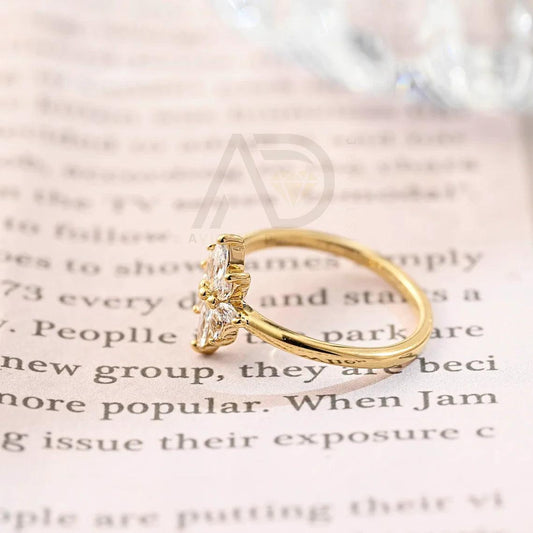

Navigating the Digital Jewelry Marketplace
The shift toward purchasing fine jewelry online demands a disciplined approach to verifying retailer legitimacy. While marketplaces like Amazon or Etsy host many vendors, consumers must look beyond storefront visibility to assess trust signals. A reputable jeweler, such as Avittam Diamond Jewels, distinguishes itself through transparent communication regarding gemstone origin, material specifications, and clear return policies.
The rise of lab-grown diamonds offers a sustainable alternative to earth-mined stones, yet their visual identity makes professional verification critical. Because these stones are chemically and optically identical to natural ones, experts confirm that identifying laboratory-grown diamonds requires specialized testing from accredited laboratories. Retailers that provide independent grading reports, like those from the GIA or IGI, demonstrate a commitment to consumer transparency that sets them apart from unverified sellers.
Legislative frameworks like the U.S. INFORM Consumers Act help protect buyers by mandating identity verification for high-volume sellers. While regulations aim to reduce fraud, consumers also benefit from platforms that proactively offer secure payment processing and detailed craftsmanship guarantees. When assessing a potential purchase, prioritize retailers that maintain an accessible digital presence, providing the documentation needed to ensure quality and long-term value for every piece.
The INFORM Consumers Act and Marketplace Transparency

The United States introduced the INFORM Consumers Act on June 27, 2023, to establish greater accountability for online retail platforms. This legislation mandates that marketplaces verify the identity of high-volume third-party sellers, defined as those completing at least 200 transactions or generating $5,000 in revenue within a 12-month period. These requirements help protect shoppers by ensuring that entities selling high-value items, such as jewelry, are traceable and legitimate.
Marketplaces are now required to collect critical seller documentation, including bank account numbers, tax IDs, and government-issued identification. For sellers reaching $20,000 in annual revenue, platforms must disclose specific details like the business or individual name, physical address, and direct contact information. Verified seller data is a cornerstone of establishing consumer confidence in digital storefronts.
Non-compliance with these federal mandates can result in civil penalties of nearly $50,000 per violation, enforced by the Federal Trade Commission and state attorneys general. Beyond the existing act, proposed legislation like the SHOP Safe Act seeks to hold marketplaces liable for copyright infringement if they facilitate the sale of dangerous counterfeit goods. These regulatory pressures complement the broader industry push for transparency, as seen in the adoption of secure protocols to safeguard consumer data. For more information on secure protocols, see avittamdiamondjewels.com.
- Requirement for an obvious consumer mechanism to report suspicious marketplace activity.
- Tiered verification models that prioritize high-risk categories like luxury jewelry.
- Proactive identification requirements to reduce fraud-related losses in the retail sector.
How to Verify an Online Jewelry Store's Legitimacy
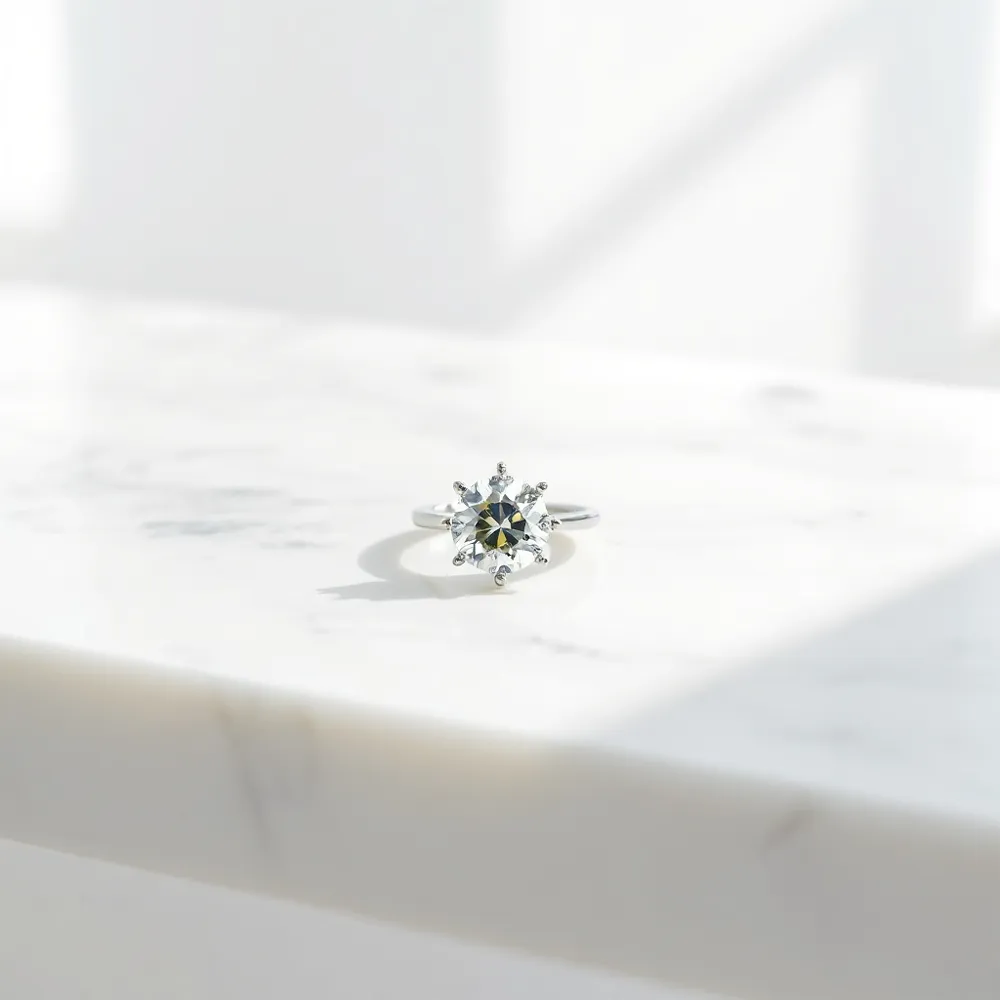
Verifying an online jewelry store requires a systematic review of its operational transparency. Legitimate retailers must provide clear contact information, such as a verifiable physical business address and responsive customer service channels. Unlike anonymous platforms that hide behind generic contact forms, a trustworthy brand offers multiple ways to confirm its identity and business operations.
Beyond contact details, examine the depth of product documentation. Reputable stores provide explicit specifications, including metal purity, total carat weight, and independent grading reports from laboratories like the Gemological Institute of America. While some generic sellers might use stock imagery, an established jeweler provides multiple high-resolution photos that highlight the item from various angles. Detailed material disclosures allow shoppers to make informed decisions without the ambiguity often found on mass-market platforms.
How can I verify the legitimacy of an online jewelry store?
To verify the legitimacy of an online jewelry store, confirm the presence of clear contact information, including a physical business address and responsive customer service channels. Evaluate the store’s credibility by reviewing established customer feedback and testimonials across independent platforms. Ensure the website provides detailed product specifications, such as metal purity, stone quality, and certification details for diamonds or gemstones. Look for secure payment processing methods and transparent, well-defined policies regarding shipping, returns, and warranties. Finally, assess the consistency and professionalism of the brand’s online presence, including high-quality product imagery and detailed craftsmanship descriptions.
| Trust Factor | What to Look For | Why It Matters |
|---|---|---|
| Contact Data | Physical Address | Verifies real-world existence. |
| Certifications | GIA or IGI Reports | Proves stone authenticity. |
| Policies | Written Warranties | Protects against defects. |
Lab-Grown vs. Natural Diamonds: Key Differences
Lab-grown diamonds and natural diamonds are chemically, physically, and optically identical, as both consist of pure carbon arranged in the same crystal structure. The primary difference lies in their origin: natural diamonds are formed over billions of years deep within the earth, while lab-grown diamonds are created in controlled environments using advanced technological processes. Because they share the same material properties, both options offer equivalent hardness, durability, and brilliance.
Lab-grown diamonds are produced through either Chemical Vapor Deposition (CVD) or High-Pressure High-Temperature (HPHT) processes, which recreate the conditions necessary for diamond crystallization. Since 2018, the Federal Trade Commission has officially classified these stones as diamonds, provided they are accurately labeled as laboratory-grown. Regardless of origin, both types of stones are evaluated using the same 4 Cs criteria: carat, color, clarity, and cut.
Why choose between lab-grown and natural?
Choosing between these stones often comes down to personal values and budget. At avittamdiamondjewels.com, we focus on providing lab-grown and moissanite options as sustainable, high-quality alternatives to mined diamonds. While natural diamonds are historically prized for their extreme geological rarity and investment potential, lab-grown diamonds do not typically retain investment value due to increasing market supply. However, the accessibility and reduced environmental impact of lab-grown stones make them a compelling choice for modern jewelry buyers.
Because laboratory-grown diamonds are identical to their natural counterparts, standard gemological tools cannot distinguish between them. For this reason, professional grading and certification remain the standard for verifying stone quality. Whether you select a naturally sourced piece or a custom lab-grown design from our artisans, understanding these technical parallels ensures you make an informed decision for your collection.
Authenticating Lab-Grown Diamonds: Certifications and Inscriptions
Because lab-grown diamonds are chemically, optically, and physically identical to natural stones, they cannot be distinguished using traditional tools or visual observation. Definitive identification requires advanced, specialized instrumentation such as the GIA iD100 device, which is why securing official documentation is the most practical way for a consumer to confirm authenticity. How do I identify laboratory-grown diamonds?
How can I tell if a lab-grown diamond is authentic and trustworthy?
To ensure the authenticity and quality of your jewelry, always request a formal grading report from an accredited gemological laboratory, such as the Gemological Institute of America or the International Gemological Institute. These reports include a unique identification number that corresponds to a microscopic laser inscription on the diamond's girdle. You can verify this serial number on the laboratory's official website to match the stone to its specific grading data. Reputable sellers prioritize this transparency by providing detailed certifications for their lab-grown pieces, ensuring every customer understands exactly what they are purchasing.
Beyond certification, reputable sellers must offer clear disclosures about the production process, whether it utilizes Chemical Vapor Deposition or the High-Pressure High-Temperature method. Premium lab-grown stones are often categorized as Type IIa, which denotes high chemical purity and a lack of nitrogen or boron impurities. While marketplaces like Etsy host many sellers, retailers with in-house manufacturing oversight can maintain strict quality standards, ensuring that each stone meets high-end criteria for brilliance and durability.
- Request grading reports from recognized laboratories like GIA or IGI.
- Check the stone's girdle for a laser-inscribed report number.
- Validate the identification number via the laboratory's online lookup tool.
- Look for Type IIa classification to identify the highest purity levels.
- Verify that the retailer provides transparent information on the stone's origin and manufacturing technique.
Why Lab-Grown and Natural Diamonds Look Identical to the Eye
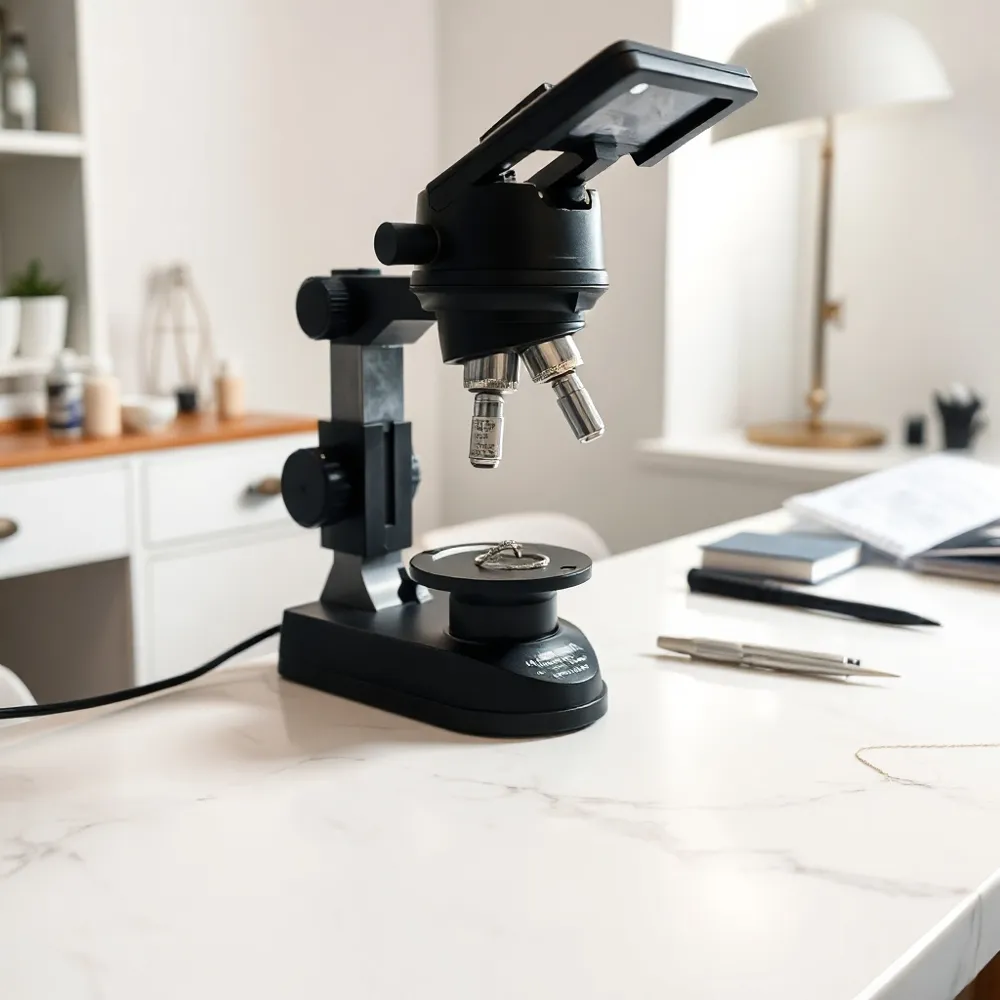
It is not possible to distinguish between a lab-grown and a natural diamond using only the naked eye. Both types of diamonds are chemically, physically, and optically identical, meaning they share the same brilliance, fire, and hardness. Because they look exactly the same under normal conditions, even trained professionals cannot tell them apart through simple visual inspection.
Identifying the origin of a stone requires advanced, specialized laboratory equipment capable of detecting subtle differences in growth patterns or trace element impurities. Devices such as the GIA iD100 are used by professionals to confirm whether a diamond was formed in the earth or created in a laboratory setting.
Consequently, lab-grown diamonds offer the same visual beauty and aesthetic qualities as their natural counterparts. The choice between the two often comes down to personal preference regarding sustainability and value rather than any visible disparity in quality.
Identity Verification for Sellers on Digital Marketplaces
Marketplaces authenticate sellers through Know Your Customer (KYC) and Know Your Business (KYB) checks. KYC confirms the individual behind the account, while KYB verifies the registered company and its owners. Both rely on document review, and higher-risk categories add biometric matching and liveness detection to confirm the person is real and present.
Verification is tiered. Basic checks cover account creation and low-risk listings, while high-value categories such as jewelry trigger stronger scrutiny. A seller linked to a bank account for payouts, and monitored through passive signals like IP address and device fingerprint analysis, is treated as more trustworthy than an unverified account.
Platform-specific requirements
Larger venues set their own requirements: Amazon asks for two government-issued IDs, eBay collects a Social Security number from individuals or an employer ID from professionals, and Walmart requests business details plus inventory, shipping, and tax information.
Verified seller badges translate these checks into a visible signal for buyers, and they carry the most weight on high-value purchases like jewelry.
The Role of Gemological Certifications in Building Trust
Independent grading reports serve as the foundation for verifying a gemstone's quality and authenticity. Reputable labs, such as the Gemological Institute of America GIA, the International Gemological Institute, the American Gem Society, and the Gem Certification and Assurance Lab, provide objective assessments for both natural and lab-grown diamonds. These reports document the 4 Cs, including cut, color, clarity, and carat weight, allowing consumers to make informed purchasing decisions based on verifiable data.
For significant investments, requesting certification for larger stones is a standard industry best practice. You should always verify the unique report number found on the documentation directly through the official website of the laboratory that issued it.
Professional accredited laboratories provide the only definitive method for determining the origin of a stone. Because lab-grown and natural diamonds are chemically, physically, and optically identical, they cannot be identified through visual observation or basic tools. Expert grading remains the most effective way to ensure the product you receive aligns with the specific quality standards promised at the time of sale.
Red Flags and Best Practices for Online Jewelry Shopping
Evaluating an online jewelry store requires a critical eye to separate legitimate artisans from less transparent retailers. A primary warning sign is the use of vague product descriptions that omit essential details, such as metal purity, gemstone origin, or specific carat weights. While many larger marketplaces rely on stock photography, reputable sellers prioritize transparency by providing detailed product pages with exact measurements in millimeters and multiple high-resolution photos that showcase jewelry from various angles, including side profiles and clasp details.
Pricing discrepancies often serve as a significant red flag. If a piece is priced significantly lower than the industry market standard, it may indicate poor quality, undisclosed synthetic materials, or fraudulent intent. Consumers should always prioritize websites that employ secure payment methods and maintain valid HTTPS encryption to protect sensitive data.
Beyond the product itself, clear and accessible return or exchange policies are essential components of a professional business. Restrictive or overly complicated return processes often indicate a lack of commitment to customer satisfaction. Before finalizing an engagement ring or custom piece, experts recommend that customers obtain a professional size measurement from a local jeweler to minimize potential sizing errors, as precise fit is as important as material quality.
Trust Signals: Customer Service, Warranties, and After-Sale Support
Establishing trust in the digital marketplace requires more than just high-resolution imagery and secure checkout pages. Reputable online retailers provide tangible commitments to their craftsmanship, offering generous warranties that protect precious metals and stones against defects. This standard is supported by rigorous quality benchmarks and dedicated after-sale support, allowing customers to shop with confidence.
Professional accountability is often reflected in a brand’s approach to ongoing maintenance. High-end retailers prioritize customer retention through services such as complimentary resizing and annual spa treatments. These programs, which include free cleanings and professional inspections, help preserve the brilliance of engagement rings and fine jewelry over time. Reliable businesses also demonstrate their commitment to quality by maintaining memberships in recognized jewelry associations, a practice that signals adherence to industry standards and ethical conduct.
Handling customer feedback is another indicator of a legitimate business. Transparent retailers proactively address inquiries and reviews, demonstrating accountability that builds long-term relationships. For high-value transactions, look for brands that offer white-glove service, such as personalized consultations or repair guarantees. By prioritizing these trust signals, shoppers can better verify that they are purchasing from a reputable artisan dedicated to long-term excellence.
- Lifetime warranties protecting against manufacturing defects.
- Complimentary maintenance and cleaning to sustain jewelry quality.
- Transparent return and resizing policies for added security.
- Active membership in established jewelry industry associations.
- Professional repair guarantees that protect the investment.
Empowering Confident Jewelry Purchases Online
Selecting fine jewelry in a digital environment requires deliberate due diligence. Start by confirming a retailer's legitimacy through transparent operational policies, such as clear return protocols and accessible customer support. Unlike unverified vendors, reputable companies like Avittam Diamond Jewels provide specific material details and prioritize long-term craftsmanship through professional expertise.
Independent verification remains your strongest protection. For significant investments, always request grading reports from recognized bodies like the GIA. These documents confirm the authenticity and quality of your gemstone, whether you choose a natural stone or a lab-grown alternative. As noted by the Gemological Institute of America, formal reports are essential for confirming a diamond's true origin.
Prioritize merchants that maintain consistent standards. By choosing sellers who display verified credentials and offer comprehensive warranties, you ensure that your purchase is backed by accountability. Consistent transparency in material sourcing and clear communication are the marks of a trustworthy retailer, transforming online browsing into a reliable and secure experience.