
A Square Icon for the Modern Couple
For couples seeking a modern engagement ring alternative that balances brilliance with a contemporary edge, the princess cut diamond stands as a compelling choice. Its clean lines and sharp corners project a distinctive sophistication that appeals to those who value both tradition and forward-thinking design. As you explore the possibilities, the princess cut’s elegance is only heightened when you consider its distinct geometry, which sets it apart from round brilliants. This square-shaped beauty, however, offers more than just visual appeal; it promises exceptional value and a unique sparkle that captivates from every angle.
Where Modern Elegance Meets Value
The princess cut’s design is a masterclass in efficiency, which translates directly to cost savings without sacrificing grandeur. Princess cut diamonds typically cost 20% to 30% less per carat than round brilliants, making it an astute choice for the budget-conscious yet discerning buyer. This affordability stems from the cutting process, where the square shape allows cutters to maximize the rough diamond crystal, retaining more weight and reducing waste. For the same budget, a couple can often select a larger princess cut stone than they could in a round, or allocate savings toward a premium setting or side stones.
Beyond the initial outlay, the princess cut offers a distinct aesthetic for the modern couple. The Avalon-designed pointed corners and square silhouette create a more contemporary and architectural look compared to the romantic curves of a cushion or round. This geometric precision appeals to those who favor a minimalist, clean-lined aesthetic, and it offers a smart alternative for shoppers who might be considering a princess cut vs. circular shapes. Its versatility means it complements a range of settings, from a classic solitaire to a more intricate pavé band, allowing for personalization that truly reflects individual style.
Prioritizing Brilliance and Cut Quality
While the princess cut is renowned for its sparkle, its value is realized when the cut is executed to perfection. The optical performance of a princess cut depends on a precise, symmetrical arrangement of facets, and poor craftsmanship can lead to a “bow-tie” effect or a dull appearance. Therefore, knowledge is your greatest asset when making a purchase. Shopping for a princess cut requires attention to cut quality above all else, and for those who wish to personalize their ring, exploring options from a trusted jeweler can make all the difference. Couples can start by prioritizing a brilliant-cut princess shape and then delve into the nuances of the 4Cs to make an informed decision.
For a guide to the 4Cs and to see examples of high-quality stones, Avittam Diamond Jewels offers a specialized guide to princess-cut buying, which outlines what to look for in terms of symmetry and polish. Ultimately, an investing in a well-cut princess cut ensures a breathtaking final ring. Whether you are drawn to its modern lines or its cost-effectiveness, understanding the princess cut’s nuances empowers you to make a choice that is as wise as it is beautiful.
Anatomy of the Princess Cut
Crown. The top section above the girdle. A well-proportioned princess crown features a flat table and chevron-like facets that catch light across the surface, creating the bright, step-like flashes the shape is known for.Girdle. The thin band where crown and pavilion meet. Princess cuts typically have a slightly thicker girdle than rounds, which adds durability while the pointed corners remain the most vulnerable area, a trait worth protecting in a setting.Pavilion. The lower portion. Princess cuts use a unique inverted-pyramid pavilion with four beveled corners and 50 to 58 facets. This deep structure creates the sharp, geometric brilliance that sets the shape apart from the rounded brilliance of a round.
The princess cut's signature design is a modified square with pointed corners, often called a "modified brilliant." Introduced in the 1960s for a bold, architectural statement, the shape's sharp lines maximize light return from every angle. As a result, shoppers often see more fire and sparkle than in other square silhouettes like the cushion, which tends to be softer and more rounded.
One of the most practical advantages of the princess cut is its efficiency. Because the shape uses more of the original rough crystal, cutters waste less material, which typically makes princess cuts 20% to 30% less expensive per carat than comparable rounds. For the same budget, a princess often yields a larger stone or a higher-quality diamond, as detailed in our guide on princess cut pricing.
Why Shape Proportions Matter for Sparkle
Not every princess cut performs equally, and the differences come down to the interplay of table size, depth, and crown angle. A well-cut princess will show crisp, even flashes when you tilt it, while a poorly proportioned one can appear dull or "windowed" in the center. Professional cutters use bright and dark facet patterns to guide buyers, and at Avittam Diamond Jewels we insist on stones that meet strict brilliance standards, so you never have to second-guess the light performance.
The sharp corners that give the princess its architectural beauty also demand attention. In a prong setting, the four corners are the first points to catch and reflect light, but they are also the most fragile. A secure four-prong or V-tipped setting protects them while preserving the clean, modern line. This is why our buying guide emphasizes both facet geometry and setting security as equal partners in your choice.
| Feature | Princess Cut | Cushion Cut | Round Brilliant |
|---|---|---|---|
| Facet count | 50-58 | 58 | 57-58 |
| Shape style | Square, sharp | Soft, pillow-like | Circular |
| Cost per carat | 20-30% less than round | Similar to princess | Premium |
| Brilliance | High step-fire | Mild sparkle | Maximum fire |
| Vulnerability | Corners chip easily | Edges moderate | No corners |
Why the Princess Cut Rivals Brilliance
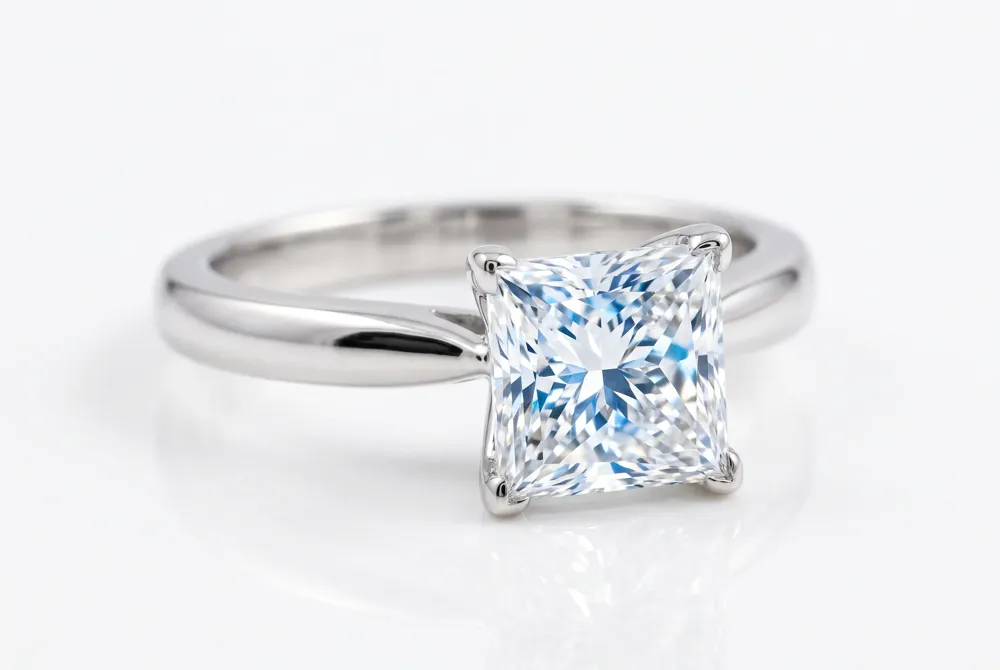
The core debate for any modern bride is not just which diamond looks best, but which profile frames her hand and her lifestyle best. When comparing the architecture of these stones, the princess cut offers a sharp, geometric silhouette with a brilliant, almost modern sparkle, while the round brilliant is engineered for maximum fire and light return. Because the princess cut retains more of the rough diamond crystal, it typically carries a lower price per carat, making it an attractive option for those seeking a larger, high-impact stone within a thoughtful budget.
We explored this decision in depth in our princess cut buying guide, and the choice often comes down to personal style priorities. For the bride who appreciates assertive, contemporary lines on her finger, the princess cut delivers a bold, architectural presence that feels both luxurious and distinct. Conversely, the round brilliant remains the timeless standard for those who prioritize traditional, maximum brilliance above all else. At Avittam Diamond Jewels, our consultations help you weigh this balance, ensuring the diamond you select feels authentically you.
Bridging Aesthetics with Practical Value
The Princess Difference. Defined by its crisp, square corners, the princess cut is celebrated for its sharp, modern elegance. Introduced in the 1960s, its angular profile affords a distinctive, refined look that flatters a range of hand shapes. For shoppers prioritizing affordability without compromising on size, a princess cut typically costs 20% to 30% less per carat than a comparable round brilliant, allowing a larger carat weight within the same budget. Its sharp corners, however, require a protective setting to prevent chipping, a consideration our design team addresses with precision.The Round Appeal. The round brilliant cut remains the gold standard for fire and brilliance, with its 58 facets optimized to return the maximum amount of light to the eye. While it often commands a premium in price per carat, its versatility ensures it complements virtually any engagement ring style. For the modern couple who appreciates classic radiance, the round cut offers a safe yet spectacular choice. At Avittam Diamond Jewels, we curate a selection of round brilliants that pair timeless beauty with genuine craftsmanship, ensuring your stone reflects both your style and our enduring standards.
| Feature | Princess Cut | Round Brilliant |
|---|---|---|
| Silhouette | Sharp, square corners | Circular, classic |
| Brilliance | Brilliant, modern sparkle | Maximum fire & light return |
| Price per carat | 20–30% less | Premium |
| Best for | Modern, geometric taste | Traditional elegance |
| Avittam Approach | Curated geometric options | Handpicked, ethical stones |
Whether your preference leans toward the architectural allure of a princess cut or the timeless brilliance of a round, the journey should feel as special as the destination. At Avittam Diamond Jewels, our bespoke service is designed to translate your vision into an heirloom-quality piece, offering virtual consultations and free shipping to simplify your search. Explore our princess cut engagement rings to begin crafting the ring that represents your unique love story.
The Art of Appearing Larger
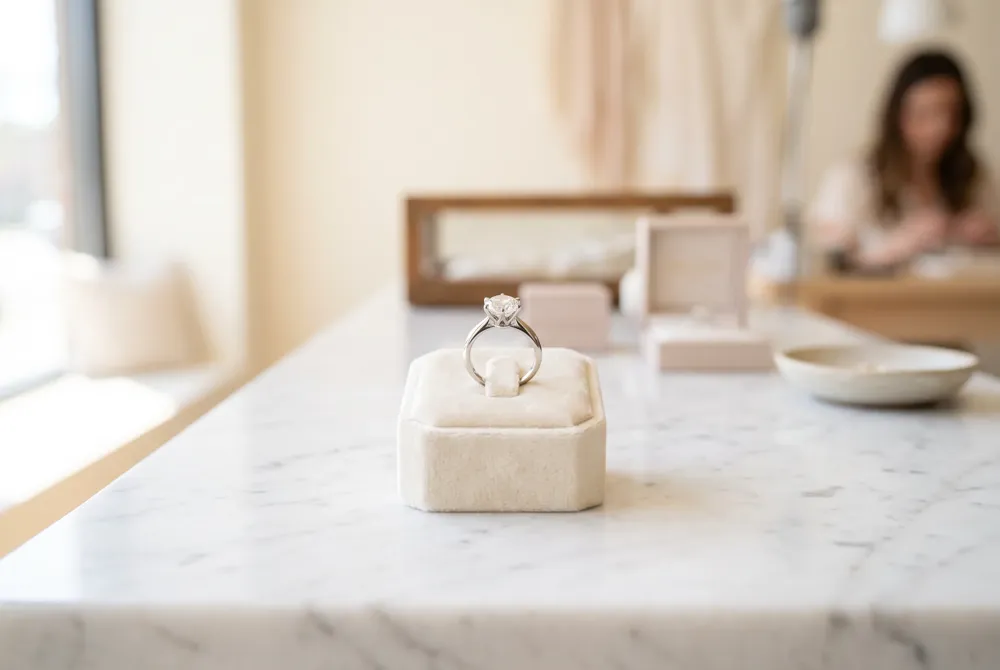
When two diamonds share the same carat weight, their face-up size can still differ noticeably. The princess cut is known for its large, open surface area, which often makes it appear larger than a round brilliant of the same carat weight. This illusion of size is one of the most compelling reasons couples are drawn to the princess cut, especially when they want maximum visual impact without increasing their budget.
For example, a 1-carat princess cut diamond typically faces up larger than a round brilliant of the same carat weight, thanks to its square shape and broad table. This means that for the same price per carat, a princess cut ring can deliver a more striking presence on the finger. Many buyers appreciate this practical benefit, as it allows them to achieve a dramatic look while staying within their desired budget.
Price Per Carat: A Clear Advantage
One of the most significant advantages of the princess cut is its cost efficiency. Princess cut diamonds typically cost 20% to 30% less per carat than round brilliants, according to industry guides like this one. This means that for the same budget, you can often afford a larger princess cut stone, or you can invest the savings into a higher-quality diamond or a more elaborate setting.
This cost advantage is largely due to the cutting process. The princess cut is derived from the square or rectangular outline, which allows cutters to retain more of the rough diamond crystal compared to the round brilliant, which requires more waste. This efficiency translates directly into savings for the buyer, making the princess cut an attractive option for those who prioritize value without compromising on brilliance.
Beyond price, face-up size is where the princess cut truly shines. Because of its square shape and large table, a princess cut diamond can appear up to 10% to 15% larger than a round brilliant of the same carat weight. This subtle but noticeable difference can make a 1.5-carat princess cut feel like a 2-carat stone at a glance, which is why many couples prefer it for their engagement ring.
| Criteria | Princess Cut | Round Brilliant |
|---|---|---|
| Face-up size at same carat | Appears 10-15% larger | Smaller visual footprint |
| Price per carat | Costs 20-30% less | Premium price point |
| Shape | Square with sharp corners | Round, classic silhouette |
| Light performance | Excellent brilliance | King of brilliance and fire |
When you combine the cost savings with the enhanced face-up size, the princess cut offers exceptional value for couples who want a statement piece. Whether you choose a simple solitaire setting or a halo design, the princess cut's ability to appear larger and more affordable than a comparable round makes it a smart choice for the modern, discerning buyer.
Smart Savings Without Sacrificing Quality
When you're weighing diamond shapes, price often becomes a deciding factor. The princess cut offers one of the most attractive value propositions among all diamond shapes. Because its square outline allows cutters to retain more of the original rough crystal, the princess cut typically costs 20% to 30% less per carat than a round brilliant. For the same budget, you can often opt for a larger carat weight or a higher color or clarity grade, making it a favorite for value-conscious shoppers.
This cost advantage extends beyond the initial purchase. The princess cut is also a smart choice when you want maximum sparkle for your dollar. The shape's many facets are designed to maximize brilliance and fire, so even a slightly included stone appears bright and lively. This means you can often select a lower clarity grade without visibly compromising the stone's performance, stretching your budget even further.
As with any diamond purchase, the setting and the quality of the cut itself matter just as much as the shape. A well-proportioned princess cut with precise angles will reflect light better and appear larger than a poorly executed one. At Avittam Diamond Jewels, the experts focus on cut quality above all else, ensuring your princess cut diamond captures light beautifully from every angle. We meticulously select each stone for its symmetry and brilliance, so you can shop with confidence.
Cost per carat. Typically 10-30% less than a round brilliant, making a larger or better-quality diamond achievable for the same budget.Cut quality. Affects sparkle and apparent size; a superior princess cut maximizes brilliance and light return.Setting and style. Certain settings, such as a four-prong or bezel, can protect the sharp corners and add character, while the choice of band metal and design reflects your personal taste.
In comparison to other shapes like the oval or emerald, the princess cut often provides comparable sparkle at a more accessible price point. When you're ready to explore your options, the princess cut diamond collection offers a curated selection that combines modern elegance with exceptional value. Experience the difference of a personalized, AI-native shopping journey where expert guidance is always a click away.
Choosing Your Carat Weight
Princess cut diamonds are a favored choice for modern engagement rings, prized for their sharp, geometric corners and brilliant sparkle. Introduced in the 1960s, this shape offers a bold yet refined aesthetic that appeals to couples seeking a contemporary look. Unlike round brilliants, the princess cut's square outline delivers a distinctive profile that stands out while still offering practicality. For those weighing their options, it helps to compare how this cut pairs with other shapes, such as the elegant marquise, to understand which best suits the hand and personal taste.
When comparing cuts, the princess cut is often described as architectural and contemporary, while the marquise cut offers an elongated, vintage-inspired silhouette. The choice between them often comes down to finger shape and desired visual effect. A marquise diamond can create the illusion of a longer, slimmer finger, whereas the princess cut provides a crisp, clean square that suits those who prefer symmetry. Couples debating these two shapes can explore guides like Marquise Cut vs Princess Cut Engagement Rings to see which aligns with their style.
Why More Couples Choose the Princess Cut
One of the most practical reasons to choose a princess cut is cost efficiency. Princess cut diamonds typically cost 20% to 30% less per carat than round brilliants, making them an attractive option for budget-conscious buyers. For the same budget, a princess cut often yields a larger stone without compromising on brilliance. Additionally, the shape is known for its exceptional sparkle due to the step-cut and brilliant-style facets that maximize light return. These factors make it a popular choice among couples who want both luxury and value.
Affordability. Beyond the base price, princess cut diamonds are often more affordable per carat than round brilliants, allowing couples to invest in a higher quality stone or a larger carat weight.Sparking brilliance. The princess cut's 76 facets create a fire and brilliance that rivals round cuts, making it a top contender for those who want maximum sparkle without the premium price of a round.
For those who appreciate a square shape with modern flair, the princess cut is an ideal choice. Its sharp corners can be protected with a V-shaped prong setting, a detail worth considering for daily wear. When shopping, it's helpful to review guides like Top Tips for Buying a Princess Cut Diamond to ensure you select a well-cut stone.
The Princess Cut Versus Round Brilliant
The classic comparison often pits princess cut against round brilliant. While round diamonds offer maximum brilliance, the princess cut delivers a similar level of sparkle at a lower cost. This cost advantage allows couples to prioritize other factors like clarity or carat weight. However, the choice ultimately depends on personal preference for shape and how the ring feels on the hand. For a more detailed breakdown of shape differences and pricing, you can refer to the Different Diamond Shapes guide.
Couples who value a modern, geometric look may find the princess cut more appealing, while those drawn to classic round shapes might prefer the traditional brilliance. The princess cut's square silhouette can also appear larger than a round of the same carat weight due to its shape, offering more visual impact. When in doubt, trying on both shapes can help clarify which feels more like 'you.'
Finding the Right Princess Cut for You
Choosing the perfect princess cut involves more than just picking a shape. Consider the diamond's cut quality, which affects brilliance and fire. A well-cut princess diamond will have excellent symmetry and proportions. It's also wise to check the corners, which are prone to chipping. Opting for a setting that protects the corners, such as a bezel or V-prong, can ensure durability. For personalized guidance, exploring options at trusted jewelers can provide reassurance.
When shopping for a princess cut, pay attention to the length-to-width ratio. A square princess cut typically has a ratio close to 1.00, while a slightly elongated version (around 1.05) can appear more slender on the finger. Testing different ratios helps you see which flatters your hand best. Additionally, consider the setting style, whether a solitaire, halo, or three-stone design, as this impacts the overall look. For more ideas, the 7 Reasons to Choose a Princess Cut Engagement Ring offers insights into why this cut remains a favorite.
| Aspect | Princess Cut | Round Brilliant |
|---|---|---|
| Shape | Square with sharp corners | Round with circular outline |
| Brilliance | High, due to 76 facets | Excellent, maximum fire |
| Cost per carat | 20-30% less than round | Premium pricing |
| Durability | Corners prone to chipping | More durable shape |
| Ideal for | Modern, geometric style | Classic, traditional look |
Protecting the Sharp Corners
The princess cut's crisp, contemporary silhouette is only half its story; its enduring appeal rests on a precise geometry that maximizes fire and brilliance. Often described as a square modified brilliant, this shape is defined by a distinctive feature set that sets it apart from every other diamond cut. Understanding these elements is the first step toward selecting a stone that will truly captivate.
At the heart of the princess cut is its characteristic pyramidal base. Instead of the flat pavilion of a round brilliant, the princess cut's underside consists of a striking inverted pyramid with four defined sides. This structure is what gives the diamond its remarkable light performance, as it directs light upward through the crown to create stunning sparkle. A well-executed princess cut will appear almost to glow from within, a quality that demands skilled cutting to achieve.
The cut's name itself is a contemporary coinage, a term not from royal courts but from the 1960s, when diamond cutters began experimenting with new shapes. Key elements like the pavilion depth and crown angle work in concert; a too-shallow or too-deep pavilion can cause light to escape from the sides, diminishing brilliance. For a comprehensive comparison of how this shape stacks up against others, explore our guide to The Princess Cut.
The Crucial Matter of Corner Protection
The princess cut's most distinctive trait, its sharp, 90-degree corners, is also its most vulnerable point. These corners, where the crown meets the girdle, are susceptible to chipping, particularly with frequent wear. This is the primary concern any jeweler will raise, and it's a non-negotiable factor in a stone meant for everyday wear.
This inherent vulnerability, however, is entirely manageable with the right setting. Choosing a princess cut engagement ring that mounts the diamond in a protective fashion, such as a four-prong V-tip setting or a bezel setting, is the most effective way to safeguard the stone's integrity and protect your investment for decades.
Chipped Corners. Only a qualified jeweler can assess if a chip is repairable or if it compromises the stone's structural integrity. Always have a professional inspect a prong-mounted princess cut for any signs of surface damage.The 'Lion's Mane'. A less common concern is the 'loose girdle' or a 'bearding' effect around the girdle, where tiny fractures can appear. Like chipping, this is a sign of a lower-quality cut and should be avoided.
These protective measures are why proper proportion is so critical. A princess cut with a steep crown angle may be more prone to chipping than one with a more moderate angle. For a deeper understanding of these fine points, consult a specialist. The added security for such a delicate feature is a small price to pay for peace of mind.
The Superiority of a Well-Cut Stone
A princess cut diamond is celebrated for its sharp, geometric silhouette, but its true brilliance comes from the precision of its proportions. The shape itself is a square or modified brilliant cut, a design that emerged in the 1960s as a contemporary alternative to the round brilliant. Unlike a cushion cut, which softens its corners to create a romantic, pillowy appearance, the princess cut retains crisp, pointed corners that produce an architectural, contemporary look. For a detailed comparison of the two shapes, our guide on cushion cut vs princess cut explores how their aesthetics diverge.
Balancing Cut Grade and Budget
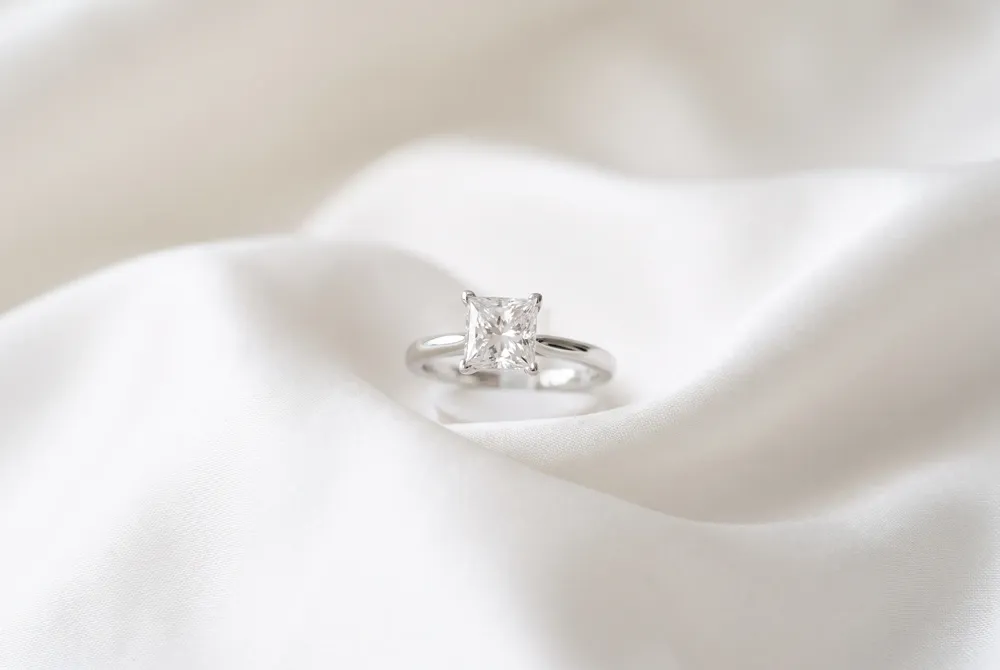
With the princess cut's signature brilliance and modern allure, the quality of the cut itself is the single most defining factor in how your diamond captures light. Unlike the round brilliant, which relies on a specific facet arrangement, a princess cut's sparkle depends on how precisely its chevron and step facets are proportioned and aligned. A well-cut princess reveals a captivating play of light that can make the stone appear larger and more vibrant than its carat weight alone would suggest.
When comparing princess cut diamonds, you'll notice terms like "Ideal" and "Very Good" on grading reports. These represent the overall cutting quality, as assessed by gemological laboratories. The cut grade evaluates how well the diamond's proportions align with ideal parameters for brilliance and fire. While a princess cut diamond cannot achieve the exact light performance of a round brilliant due to its square shape, a masterfully cut princess will still produce an exceptional display of fire and sparkle that rivals its round counterpart.
Deciphering Grading Reports: The Importance of Proportions
Understanding what the cut grade actually measures is essential. For princess cuts, the critical elements are the crown angle, pavilion depth, and table percentage. A crown angle between 32 and 36 degrees, a pavilion depth between 58% and 68%, and a table size between 68% and 72% are generally considered ideal. Diamonds within these ranges maximize the internal light return, creating that signature "crushed ice" effect. The buying guide from Avittam explains these metrics in depth, helping you understand what to look for on a report.
While "Ideal" and "Very Good" grades from major labs like GIA or AGS represent high quality, they don't guarantee perfection. The princess cut's square shape is more forgiving of minor proportion deviations than a round brilliant, which means you can often select a "Very Good" stone that performs as well as an "Ideal" one, while enjoying the prince's cut's inherent cost savings.
The princess cut's design allows for exceptional light performance even when cut to slightly less than ideal proportions, making it a versatile choice for value-conscious shoppers who don't want to sacrifice brilliance. A well-proportioned princess cut can cost 10% to 30% less per carat than a round brilliant of the same quality, as noted by Avittam's guide on the princess cut. This makes it possible to achieve a larger carat size or a higher color grade within your budget.
Key Quality Factors to Prioritize
Cut Grade. Prioritize an Excellent or Very Good cut grade from a reputable lab. This ensures the diamond's proportions are optimized for brilliance.Proportions. The crown angle, pavilion depth, and table percentage directly influence sparkle. Adhere to the ideal ranges for maximum fire.Bold. In the context of diamond quality, "bold" refers to the princess cut's sharp corners and geometric symmetry, which contribute to its modern, architectural appeal.
At Avittam Diamond Jewels, we understand that finding the perfect princess cut is an art. Our princess cut diamond collection features only ethically sourced stones with exceptional cut quality. Let our specialists guide you to a diamond that maximizes brilliance and longevity, without compromising on the timeless elegance you deserve.
Cut Grade. Prioritize an Excellent or Very Good cut grade from a reputable lab. This ensures the diamond's proportions are optimized for brilliance.Proportions. The crown angle, pavilion depth, and table percentage directly influence sparkle. Adhere to the ideal ranges for maximum fire.Bold. In the context of diamond quality, "bold" refers to the princess cut's sharp corners and geometric symmetry, which contribute to its modern, architectural appeal.
Selecting the Perfect Princess
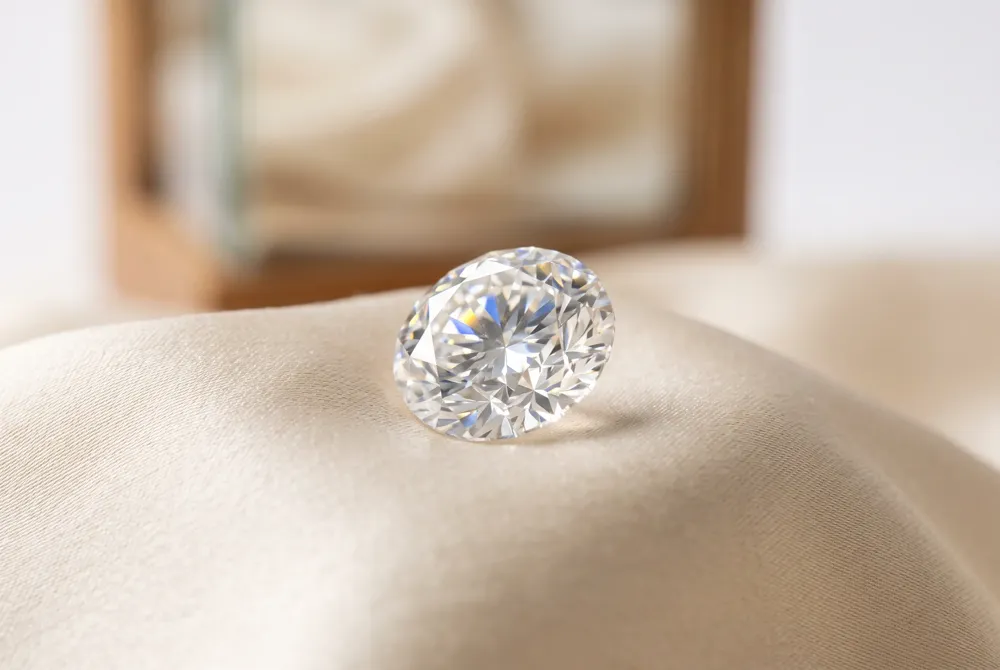
Understanding what sets a princess cut apart begins with its proportions. A typical princess cut diamond measures close to square when viewed from above, with a depth ratio near 70% and a table percentage often above 60%. These dimensions combine to create that crisp, architectural silhouette that contemporary couples find so appealing, while also maximizing the stone's face-up presence.
Beneath that flat crown lies a distinctive chevron-shaped pavilion, usually featuring 50 to 58 facets arranged in a way that produces remarkable brilliance and fire. The corners are pointed, though many high-quality princess cuts include a subtle V-notch at the base to protect the tips from chipping. This structural detail is one reason why princess cuts are considered a contemporary classic, offering a look that is both bold and refined.
Crown. The top portion, typically flat and nearly square, with a table that covers a large percentage of the stone's width. A larger table emphasizes the clean, modern lines of the cut.Pavilion. The lower portion, featuring a chevron-like arrangement of facets that bounce light upward through the crown, creating that signature sparkle. This design also helps hide inclusions when viewed from above.Girdle. The thin outer edge separating crown and pavilion. A well-cut princess girdle is usually faceted or polished to maximize light performance and reduce chipping risk along the pointed corners.
Colleagues in the industry often recommend the princess cut for its efficient use of rough crystal. The diamond shape guides explain that cutters can retain more of the rough stone, which is a primary reason princess cut diamonds tend to be more affordable than their round counterparts. For a detailed comparison of how princess stacks up against other shapes, see our guide on choosing the perfect princess cut diamond.
Why Princess Cut Diamonds Shine Brighter
The design philosophy behind the princess cut is to deliver maximum brilliance while preserving carat weight. Unlike round brilliants, which sacrifice more of the rough crystal during cutting, princess cuts retain a higher percentage of the original stone. This efficiency translates into cost savings, making princess cut engagement rings a smart choice for budget-conscious couples seeking a larger-looking diamond without compromising on sparkle.
According to Avittam Diamond Jewels, each princess cut in their curated collection is selected for its symmetry and light performance, ensuring that the contemporary aesthetic never sacrifices durability or beauty. The brand’s bespoke ordering service allows couples to customize the setting and metal, creating a truly personal piece that reflects their individual style.
| Aspect | Princess Cut | Round Brilliant | Cushion Cut |
|---|---|---|---|
| Shape | Square, pointed corners | Round, circular | Square or rectangular, soft corners |
| Brilliance | High; 50-58 facets | Very high; 57-58 facets | Moderate; 58 facets |
| Cost per carat | 10% to 30% less than round | Premium | Varies; often less than round |
| Durability | V-notch protects corners | Excellent | Good; softer corners |
| Ideal for | Modern, geometric settings | Classic, maximum sparkle | Vintage, romantic styles |
Embracing the Geometric Boldness
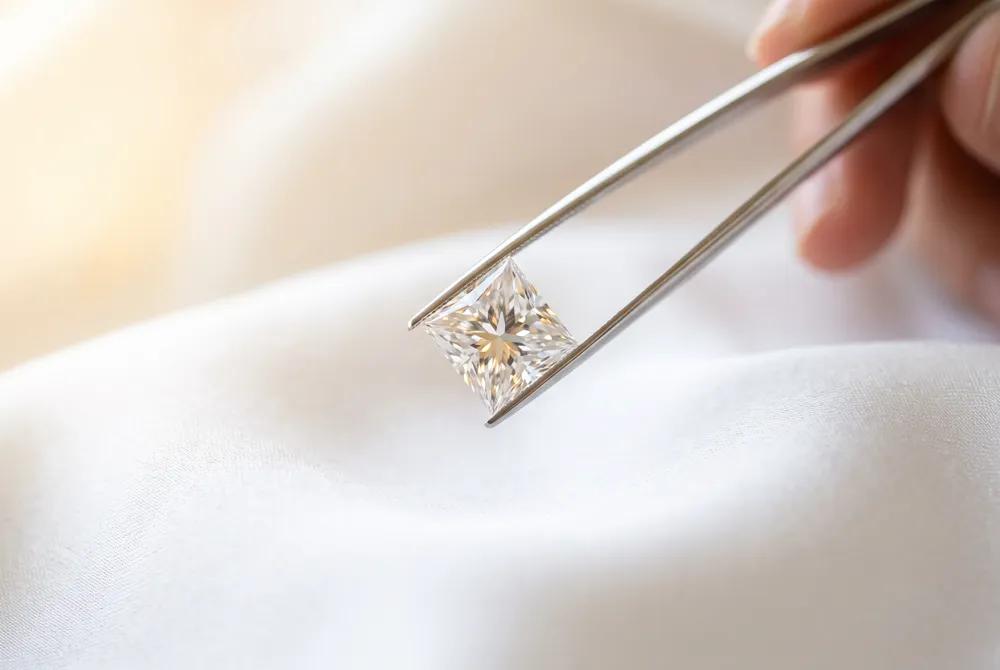
The princess cut stands apart from round brilliants and other fancy shapes through its sharp, modern geometry. Developed in the 1960s, this silhouette delivers a bold, architectural statement that appeals to those drawn to contemporary design. Unlike the cushion cut, which offers a softer, romantic feel, the princess cut projects confident precision. For a detailed comparison, explore our complete buying guide.
Value is a key advantage. Princess cut diamonds typically cost 20% to 30% less per carat than round brilliants, as our guide explains. The princess cut is more affordable than the princess cut alternatives because the square shape retains more of the rough crystal, and for the same budget, you can often select a larger carat weight or a higher color and clarity grade. This efficiency lets you maximize your investment without compromising on presence or brilliance.
Cost Efficiency. The princess cut costs 20–30% less per carat than a round brilliant, per our style guide.Geometric Elegance. Its crisp corners and clean lines create a sleek, contemporary aesthetic that flatters both minimalist settings and intricate halo designs.
At Avittam Diamond Jewels, every princess cut is curated for maximum brilliance and fire. Our online experience lets you browse princess cut rings from the comfort of home, with detailed product guides and virtual try-on tools to simplify your decision. Contact our design consultants for a personalized consultation and discover why the princess cut remains a timeless favorite.
A Brilliant Investment in Love
The princess cut is often described as a square brilliant, a name that captures both its silhouette and its spectacular sparkle. Unlike the round brilliant, which dominates fine jewelry with its circular outline, the princess cut presents clean, right-angled lines that feel architectural and undeniably modern. Whether mounted as a solitaire or set within a pavé band, its sharp corners and stepped crown create a bold, sophisticated presence that appeals to couples who want a stone that feels both classic and contemporary.
Shape. Princess cut diamonds are square with sharp, pointed corners, though some are cut as near-squares when proportions allow. The shape's geometric clarity sets it apart from rounded cuts and gives it a distinctly tailored, contemporary feel.Brilliance. The princess cut features a brilliant-style facet pattern, typically with 50 to 58 facets, similar to a round brilliant. This arrangement maximizes light return, producing exceptional sparkle and fire that rival, and sometimes exceed, that of a round stone of comparable quality.Depth. Princess cuts tend to be deeper than round brilliants, with most well-cut stones falling in a 68% to 75% depth range. While this depth contributes to brilliance, it also means the stone may have a smaller face-up appearance than a round of the same carat weight, which is an important consideration when balancing size and sparkle.Corner angles. The corners of a princess cut are its most vulnerable points. Skilled cutters aim for 90-degree or slightly tapered corners to reduce the risk of chipping, and many setters recommend protective prongs or a bezel to safeguard these delicate edges.
When you understand the anatomy, you can appreciate why the princess cut offers such remarkable value. The shape allows cutters to retain more of the rough diamond crystal, which means fewer carats are lost in the cutting process. For this reason, princess cut diamonds typically cost 20% to 30% less per carat than an equivalent round brilliant, as explained in Avittam's princess cut guide. In practical terms, this means you can either stay under budget or size up without sacrificing quality. Additionally, because the princess cut's sharp corners can reflect light in striking ways, a well-cut stone often appears larger and brighter than its carat weight suggests, delivering that coveted 'wow' factor.